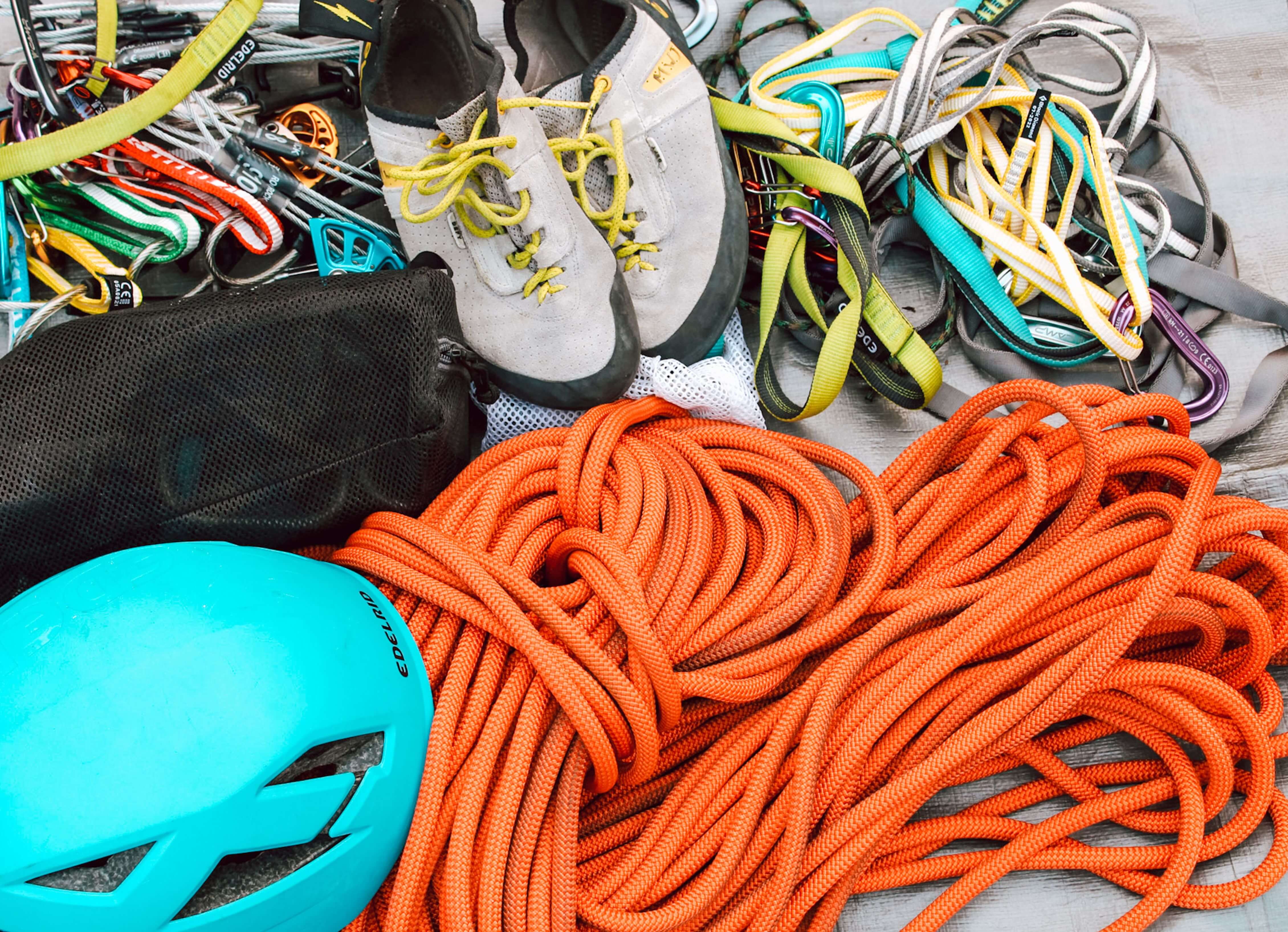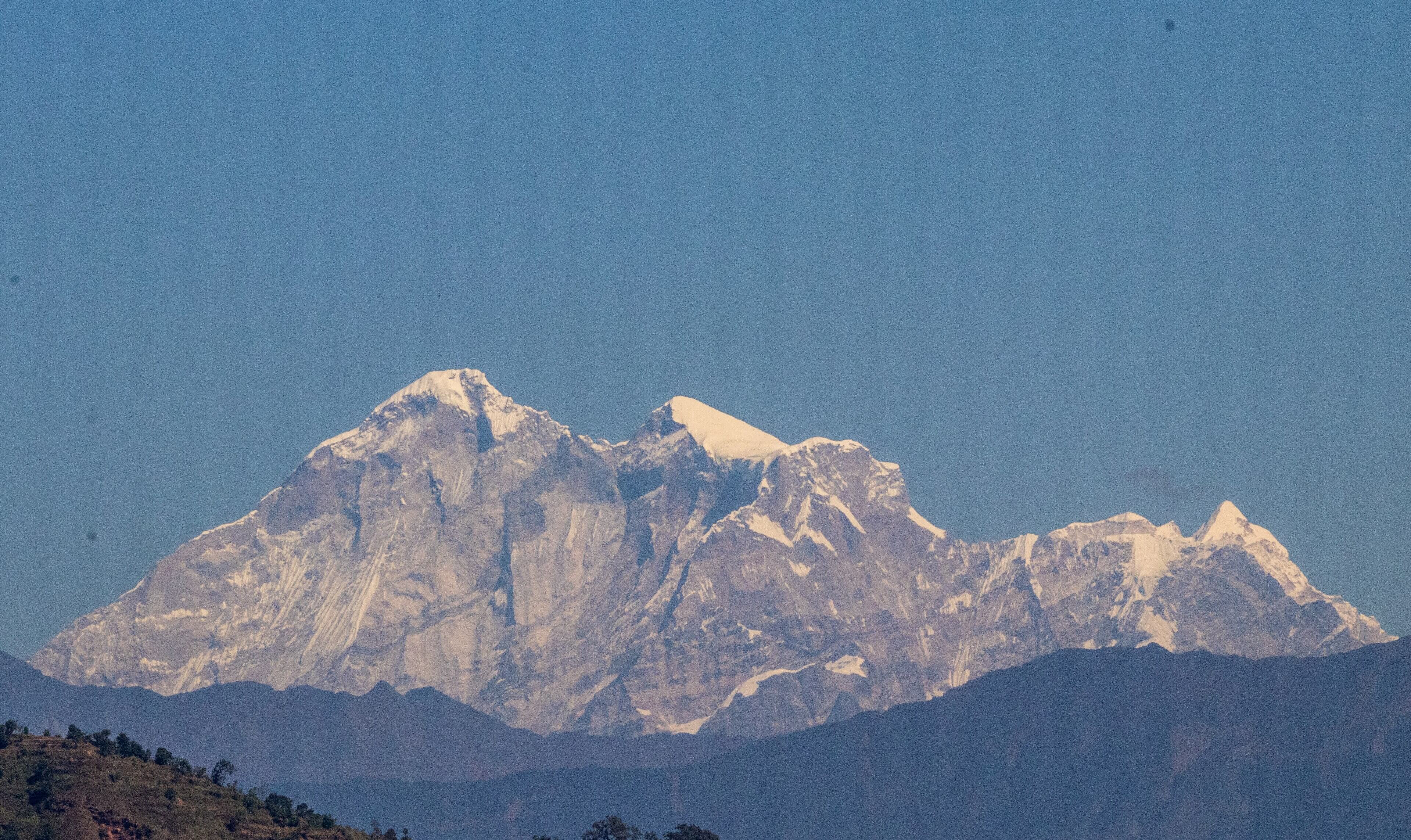
Packing for an 8,000-meter peak like Mount Everest or K2 is a high-stakes balancing act. Your gear is your primary life-support system in the Death Zone. Failing to bring the right equipment, or packing too much unnecessary weight—can jeopardize your safety and the success of your entire climb.
The ultimate guide below details how to pack efficiently for the world's highest environments.
1. Master the Layering System
At 8,000 meters, temperatures fluctuate from scorching heat on a sunlit glacier to -40°C during summit night. You must pack a versatile, high-performance layering system:
- Base Layers: Pack 3–4 sets of heavyweight merino wool or high-end synthetic tops and bottoms. Wool retains warmth even when wet and resists odors over multi-week rotations.
- Mid-Layers: A breathable fleece jacket and active insulation layers (like lightweight synthetic down) are essential for moving efficiently on the trail.
- Outer Shells: High-durability, windproof, and waterproof GORE-TEX Pro jackets and pants protect you from harsh alpine gales.
- The Summit Suit: A premium, fully insulated down suit is non-negotiable. Look for trusted brands like the The North Face AMK Suit or Marmot 8000M Suit.
2. Prioritize Footwear and Extremities
Frostbite is a primary hazard on high-altitude expeditions. Protecting your hands and feet must be a top priority:
- Boots: You need specialized, triple-layer insulated mountaineering boots. Models like the La Sportiva Olympus Mons Cube or Millet Everest GTX feature built-in gaiters and thermal reflective technology. Ensure they are sized 1–2 notches larger than your normal size to accommodate thick socks and prevent restricted blood circulation.
- Gloves: Bring lightweight liner gloves, mid-weight climbing gloves, and heavily insulated summit mittens. Always pack an extra pair of summit mitts in your pack in case one blows away.
3. Sleep Systems for Survival
Rest dictates your recovery rate at high altitudes. Your sleeping arrangement across the camps should feature:
- Two Sleeping Bags: Keep a -20°C (-4°F) bag at Base Camp and a specialized -40°C (-40°F) down bag that rotates through the higher camps.
- Dual Sleeping Pads: Use a combination of a closed-cell foam pad (like the Therm-a-Rest Z Lite) underneath an insulated inflatable pad to block the freezing ground chill.
4. Technical Electronics & Power Management
Extreme cold quickly drains battery life. Keep your critical electronics functioning with these tips:
- Power Banks: Carry multiple high-capacity, cold-resistant power banks (20,000mAh+).
- Keep Batteries Warm: Store your phone, camera batteries, satellite messenger, and headlamp inside your inner down suit pockets during the day, and inside your sleeping bag at night.
5. Smart Strategy: The "Two-Bag" System
Organize your gear into a strict system using rugged, waterproof duffels:
- The Trekking Duffel: Contains items you only need at Base Camp (e.g., base camp shoes, extra changes of clothes, solar chargers).
- The High-Camp Duffel: Reserved strictly for your technical high-altitude gear, summit suits, and high-altitude food rations that will be ferried up by you or your support team.