7 Summits
Go Above Go Beyond
Asia
Nepal
Mt. Everest Expeditions 2027
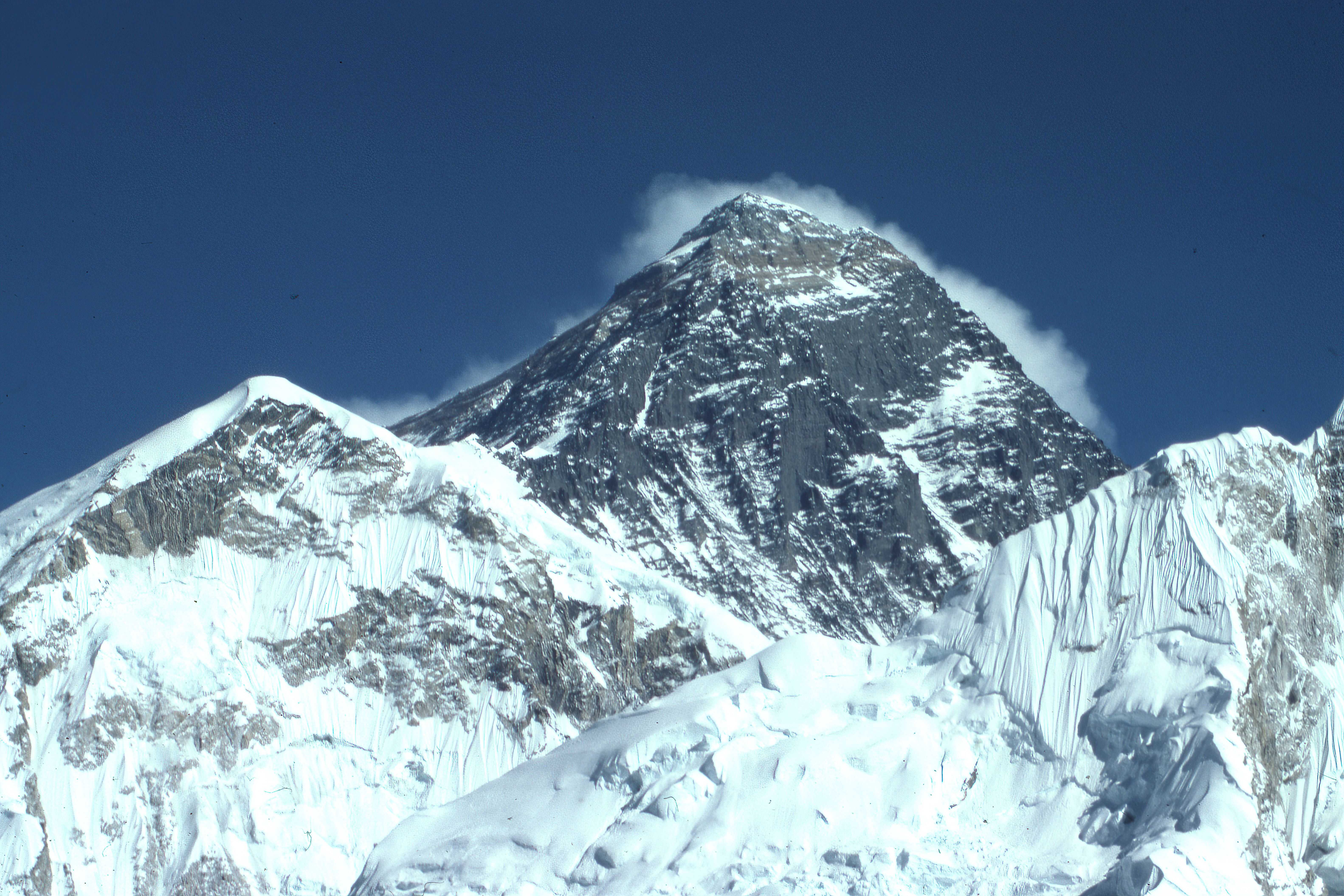
Mount Everest is the highest mountain in the world and the most iconic peak of the Seven Summits. Rising to 8,848.86 meters above sea level in the heart of the Himalayas, it stands on the border between Nepal and Tibet and has become a symbol of human endurance, ambition, and exploration. Climbing Everest requires excellent physical fitness, strong mountaineering skills, careful acclimatization, and the ability to operate in extreme high-altitude conditions. The expedition typically involves crossing glaciers, navigating steep ice and snow terrain, establishing multiple high camps, and spending several weeks adapting to the thin air. Despite the challenges of unpredictable weather, freezing temperatures, and the demanding conditions of the death zone, Everest continues to attract experienced climbers from around the world who dream of standing on the highest point on Earth. Reaching the summit is not only a major mountaineering achievement but also an unforgettable journey through the spectacular landscapes, Sherpa communities, and rich climbing history of the Everest region.
Success Rate
80%
Duration
60 Days
Difficulty
Extreme
South America
Argentina
Cerro Aconcagua
Cerro Aconcagua is the highest mountain in South America and the highest peak in both the Western and Southern Hemispheres. Rising to approximately 6,961 meters above sea level, it is located in the Andes mountain range of western Argentina, close to the Chilean border. Aconcagua is one of the Seven Summits and is considered a major objective for climbers looking to gain high-altitude expedition experience. Although the normal route does not usually require highly technical climbing skills, the mountain presents serious challenges because of its extreme altitude, strong winds, rapidly changing weather, freezing temperatures, and long approach. Climbers must be physically well prepared and follow a careful acclimatization schedule to improve their chances of reaching the summit safely. The journey passes through dramatic Andean landscapes, wide valleys, rocky slopes, glaciers, and remote high camps. Standing on the summit of Aconcagua offers exceptional views across the Andes and represents an important achievement for mountaineers pursuing the Seven Summits.
Success Rate
70%
Duration
18-20 Days
Difficulty
Very Hard
North America
United States
Denali
Denali is the highest mountain in North America and one of the most challenging peaks of the Seven Summits. Rising to approximately 6,190 meters above sea level, it dominates the Alaska Range with its massive snow-covered slopes, enormous glaciers, and dramatic alpine terrain. Formerly known as Mount McKinley, Denali is famous for its severe weather, extremely cold temperatures, powerful winds, and significant vertical rise from its surrounding landscape. Climbing Denali requires strong mountaineering experience, excellent physical endurance, glacier travel skills, and the ability to remain self-sufficient in a remote environment. Expeditions typically involve traveling across heavily crevassed glaciers, establishing a series of progressively higher camps, carrying equipment and supplies, and carefully acclimatizing before attempting the summit. The mountain's northern location creates exceptionally harsh conditions, making weather and temperature major factors in every expedition. Reaching the summit of Denali is considered an outstanding mountaineering achievement and rewards climbers with spectacular views across the vast wilderness, glaciers, and rugged peaks of Alaska.
Success Rate
80%
Duration
18-24 Days
Difficulty
Extreme
Africa
Tanzania
Mount Kilimanjaro
Mount Kilimanjaro is the highest mountain in Africa and one of the most recognizable peaks of the Seven Summits. Rising to approximately 5,895 meters above sea level in northern Tanzania, it stands dramatically above the surrounding plains and savannah landscapes. Kilimanjaro is a massive free-standing volcanic mountain made up of three volcanic cones: Kibo, Mawenzi, and Shira, with Uhuru Peak on Kibo forming its highest point. Unlike many high-altitude mountains, reaching the summit does not require technical climbing skills on the standard trekking routes, making it a popular objective for adventurous trekkers from around the world. However, the high altitude, long trekking days, cold temperatures, and risk of altitude sickness still make the journey physically demanding. Climbers pass through several distinct ecological zones, including rainforest, heath and moorland, alpine desert, and the icy summit environment. Proper acclimatization, steady pacing, and good physical preparation are essential for a successful ascent. Reaching Uhuru Peak at sunrise offers spectacular views across Tanzania and is an unforgettable achievement for anyone pursuing the Seven Summits.
Success Rate
85%
Duration
7-10 Days
Difficulty
Hard
Europe
Russia
Mount Elbrus
Mount Elbrus is the highest mountain in Europe and one of the most prominent peaks of the Seven Summits. Rising to approximately 5,642 meters above sea level, it is located in the Caucasus mountain range of southern Russia, close to the border with Georgia. Elbrus is a dormant stratovolcano distinguished by its two impressive volcanic summits, with the western summit forming the mountain's highest point. Its broad snow-covered slopes and surrounding glaciers create a dramatic alpine landscape that attracts climbers from around the world. Although the standard route is considered less technically difficult than many other major expedition peaks, the climb still requires strong physical fitness, proper acclimatization, and confidence traveling on snow and ice. Climbers must also be prepared for rapidly changing weather, strong winds, freezing temperatures, and reduced oxygen at high altitude. The ascent typically involves glacier travel, long summit-day hours, and the use of basic mountaineering equipment such as crampons, ice axes, and ropes when conditions require. Reaching the summit of Mount Elbrus offers expansive views across the Caucasus and represents an important milestone for climbers pursuing the Seven Summits challenge.
Success Rate
80%
Duration
10-14 Days
Difficulty
Hard
Antarctica
Antarctica
Mount Vinson
Mount Vinson is the highest mountain in Antarctica and one of the most remote and extraordinary peaks of the Seven Summits. Rising to approximately 4,892 meters above sea level, it is located in the Sentinel Range of the Ellsworth Mountains, deep within the Antarctic interior. The mountain is surrounded by vast glaciers, dramatic ridgelines, and an immense polar wilderness that creates one of the most isolated climbing environments on Earth. Although the standard route is not considered highly technical, an expedition to Vinson presents serious challenges because of extreme cold, strong winds, unpredictable weather, crevassed glaciers, and the logistical difficulties of operating in Antarctica. Climbers must be physically well prepared, experienced in cold-weather mountaineering, and capable of traveling safely on glaciers while carrying expedition equipment between camps. The continuous daylight of the Antarctic summer and the exceptionally dry, freezing conditions make the experience unlike any other Seven Summits climb. Reaching the summit rewards climbers with breathtaking views across endless ice fields and rugged Antarctic peaks, making Mount Vinson a remarkable achievement for mountaineers pursuing the Seven Summits.
Success Rate
85%
Duration
12-18 Days
Difficulty
Very Hard
Oceania
Indonesia
Carstensz Pyramid
Carstensz Pyramid, also known as Puncak Jaya, is the highest mountain in Oceania and one of the most technically demanding peaks of the Seven Summits. Rising to approximately 4,884 meters above sea level, it is located in the Sudirman Range of Papua, Indonesia. Unlike the snow-covered volcanic and glaciated mountains found on many other continents, Carstensz Pyramid is famous for its steep limestone walls, exposed rock faces, sharp ridgelines, and rugged equatorial mountain environment. Reaching the summit requires strong rock-climbing ability, confidence on fixed ropes, and experience moving across exposed technical terrain. Climbers may encounter sections involving scrambling, rappelling, traversing, and negotiating steep rock under rapidly changing tropical weather conditions. The mountain's remote location also makes access and logistics a major part of the expedition, adding another level of difficulty to the climb. Despite its lower elevation compared with several other Seven Summits, its technical nature and isolation make Carstensz Pyramid a serious mountaineering objective. Reaching the summit offers dramatic views across the surrounding highlands and represents a significant achievement for climbers completing the Seven Summits challenge.
Success Rate
75%
Duration
12-16 Days
Difficulty
Extreme