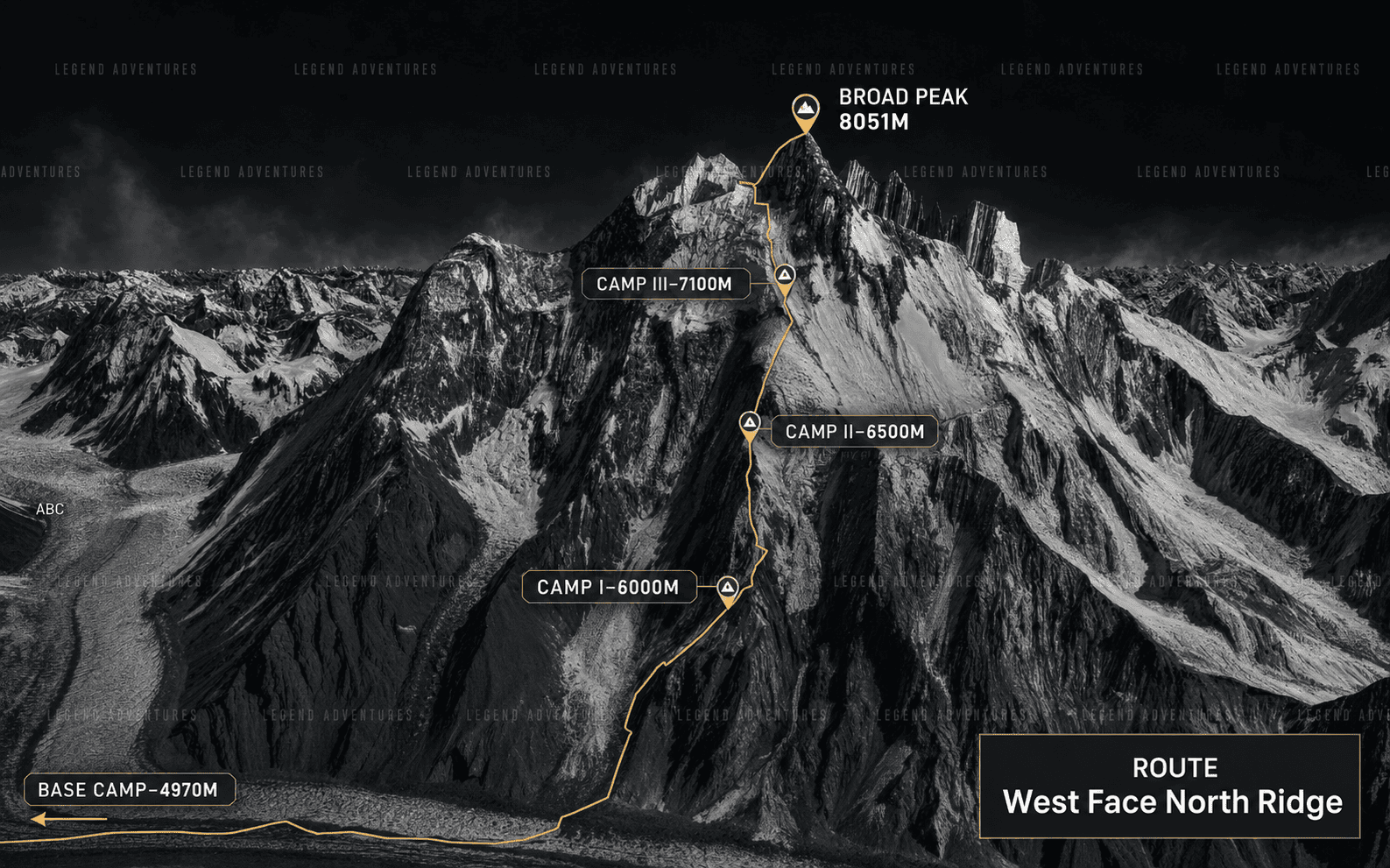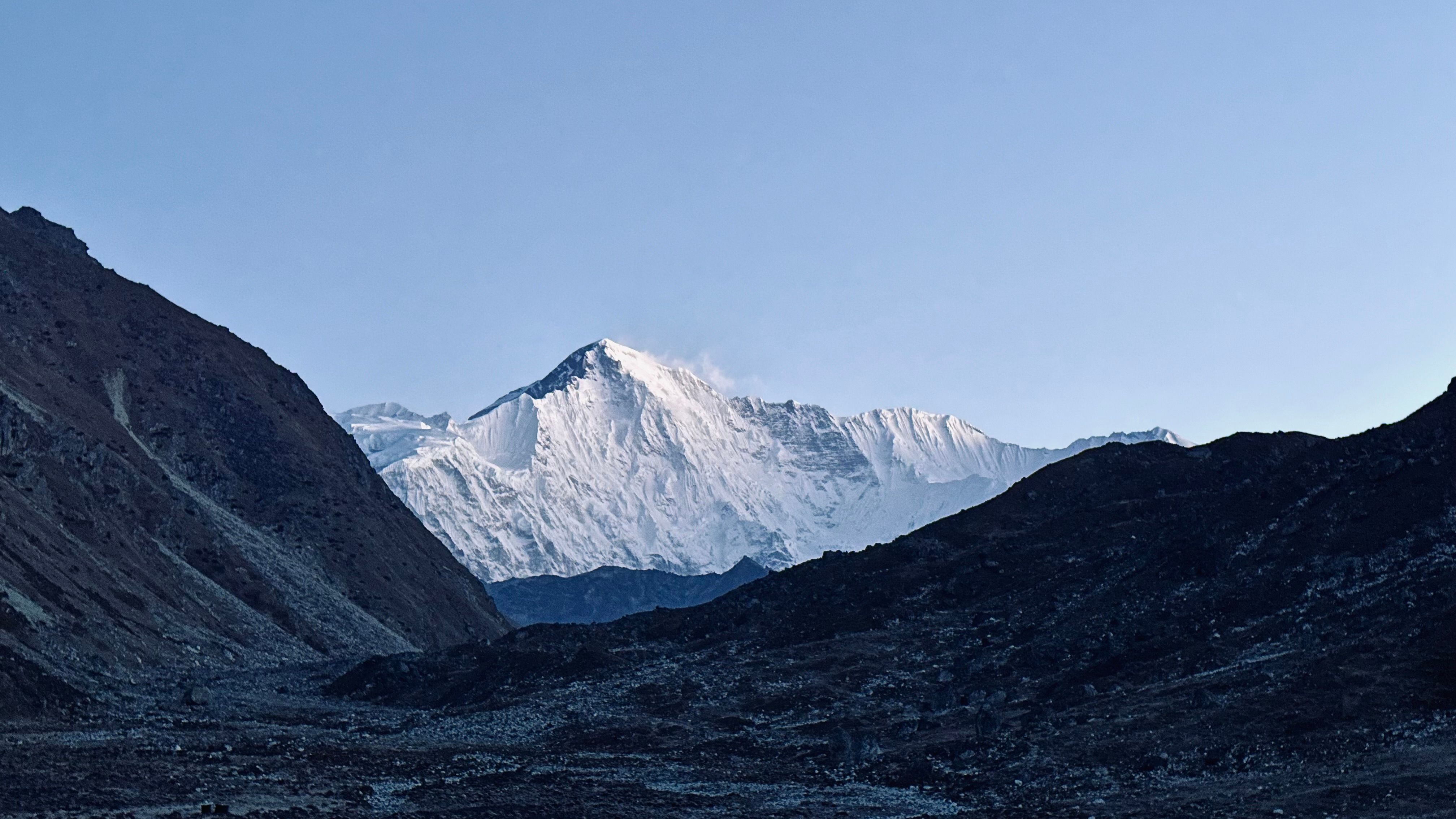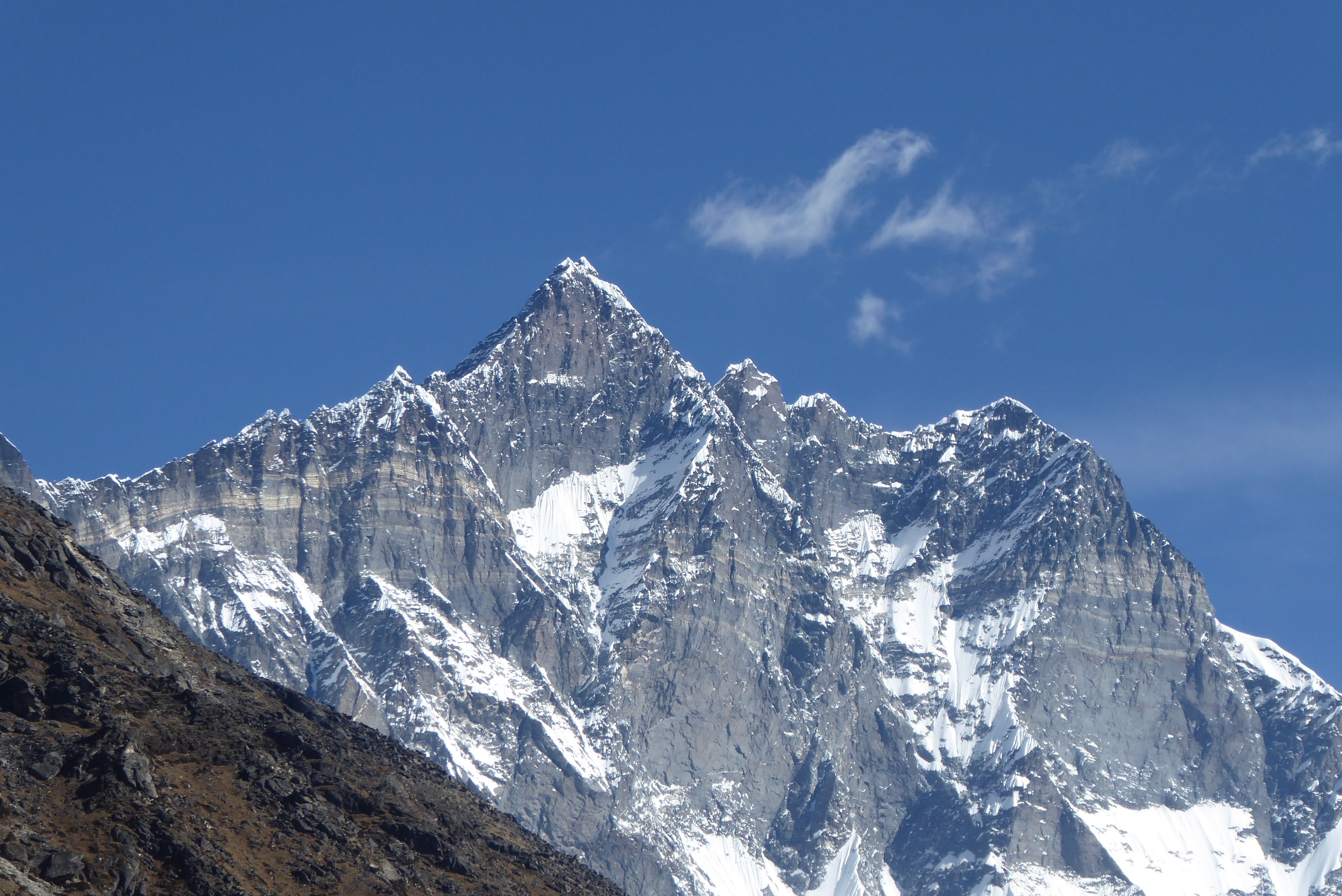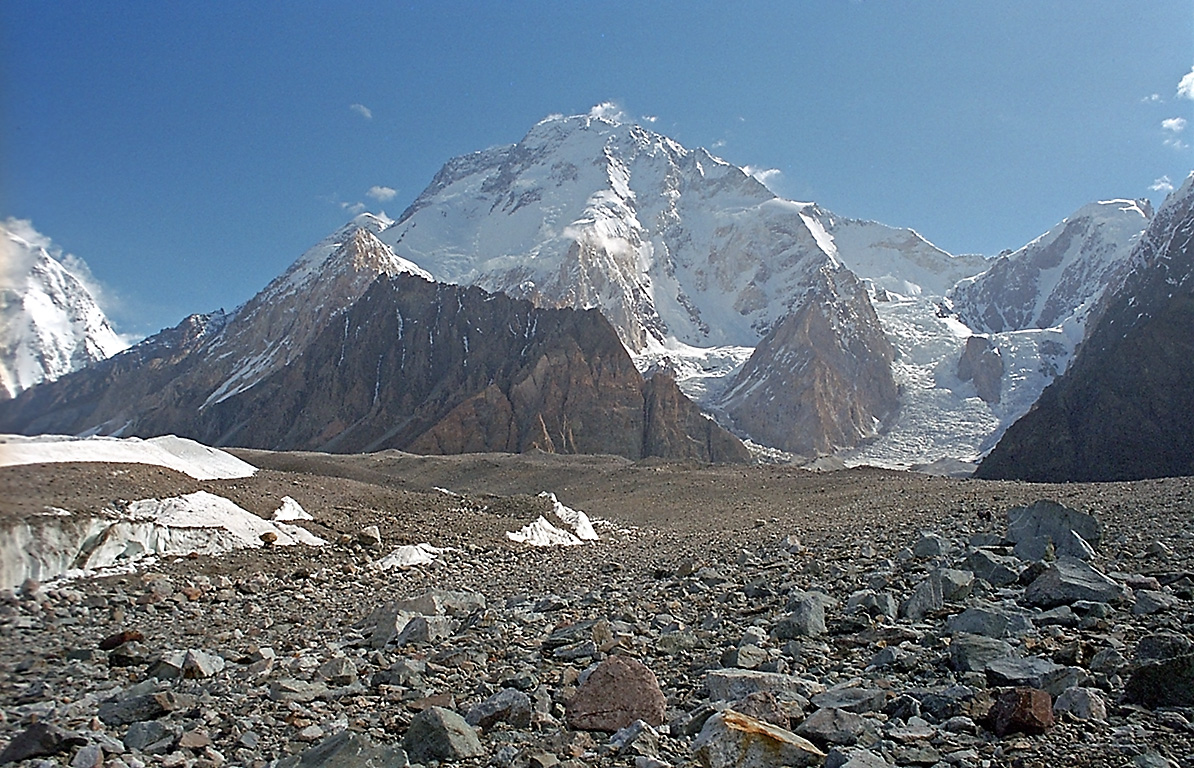
At 8,047m (26,401’), Broad Peak is the world's 12th highest mountain and one of the 'easiest' 8,000-meter peaks. It is located on the border of Pakistan and China and has been summited ten times less than Mount Everest and is adjacent to K2. This 45-day expedition provides some of the best views in the Karakorum.
In 1957, an expedition party from Australia headed by Fritz Wintersteller, Marcus Schmuck, Kurt Diemberger and Hermann Buhl reached the summit of the mountain without any supplementary oxygen and without base camp support. It was not for the first time in history, however, as another team of climbers, Maciej Berbeka, Adam Bielecki, Tomasz Kowalski and Artur Malek, did the same on March 5, 2013.
The Best Season to Climb. Broad Peak Expedition (8,051m)
The best time for the Broad Peak Climbing Expedition (8051m) in 2027 is Summer. Most of the ascents have been accomplished in July and August, as they are the warmest months of the year. The expedition to the summit of Broad Peak is more gratifying in these months than in winter.
Preparation and Training
While often cited as the most ‘achievable’ 8,000m peak in the Karakoram, Broad Peak at 8051m is as much a ‘relative' as it is a ‘literal'. The route to the saddle is not technically demanding but requires the ability to spend time on 45-50° mixed snow and ice, as well as some experience climbing up to about 7,000m. Strength development of legs and core should be started 6-8 months out, with cardiovascular endurance training (long hikes with a loaded pack, running, cycling) sufficient to allow for completion of 15-18 hours of training on the summit day.
Fixed rope technique should be prepared, as well as descent technique; crampon work on mixed terrain should be practised, and glacier travel practice should be completed; the climber must be self-reliant with the use of their safety equipment in changing snow conditions. When you rotate above 6,000m–7,000m, it makes a difference to your ability to cope with the very long and exposed summit push that Broad Peak has.
Gear and Equipment
Broad Peak requires standard 8,000m equipment, with particular attention to gear that holds up over a long, exposed summit day above the saddle.
-
8,000m-rated down suit and high-altitude summit boots
-
Sleeping bag rated to -40°C
-
Crampons, harness, ascender, ice axe, and carabiners
-
Helmet, headlamp, glacier glasses, and sunscreen
-
Base layers, mid layers, and insulated jacket for lower camps and the long summit day
-
Personal first-aid kit and any prescribed medication
-
Trekking poles, duffel bags, and a daypack
-
Supplemental oxygen, mask, and regulator (optional, provided on request)
-
Fixed ropes and route preparation, Base Camp to summit (provided by the team)
-
Camping and Base Camp equipment (tents, kitchen, dining facilities)
-
High-altitude rescue insurance
Safety and Support
The principal hazards of Broad Peak to the climber are not technical hazards but hazards of exposure, distance and weather: the summit day is unusually long; the ridge to the true summit is narrow and exposed; a well-known false summit has caused climbers to turn back believing that they had reached the top, or to push on too late in the day. A well-run expedition will maintain a low climber-to-guide ratio, usually just slightly higher than one-to-one on summit day, with reserve climbing Sherpas available on standby and a Base Camp manager on his/her toes checking on the weather window, as the conditions on the western side of the Karakoram can change rapidly.
O2 supply is available as a supplement if desired, but many good climbers are tackling Broad Peak O2-free. Unlike some peaks, there is a limited option to be rescued here: helicopter rescue is available only up to about 6000m in Pakistan, so the acclimatisation plan and discipline of turnaround above that height are of critical importance. Selected climbers gradually work their way up to climbing the summit in a systematic, multi-rotation approach using Camps 1, 2 and 3 to develop strength and lung capacity before attempting the summit.
The founder himself is an internationally certified IFMGA mountain guide, a fourteen-time Everest summiteer who has a rare depth of judgment in his decisions on a mountain of this magnitude: when to push, when to wait, and when to turn around. So, now let’s see with his guidance what days we will be venturing.