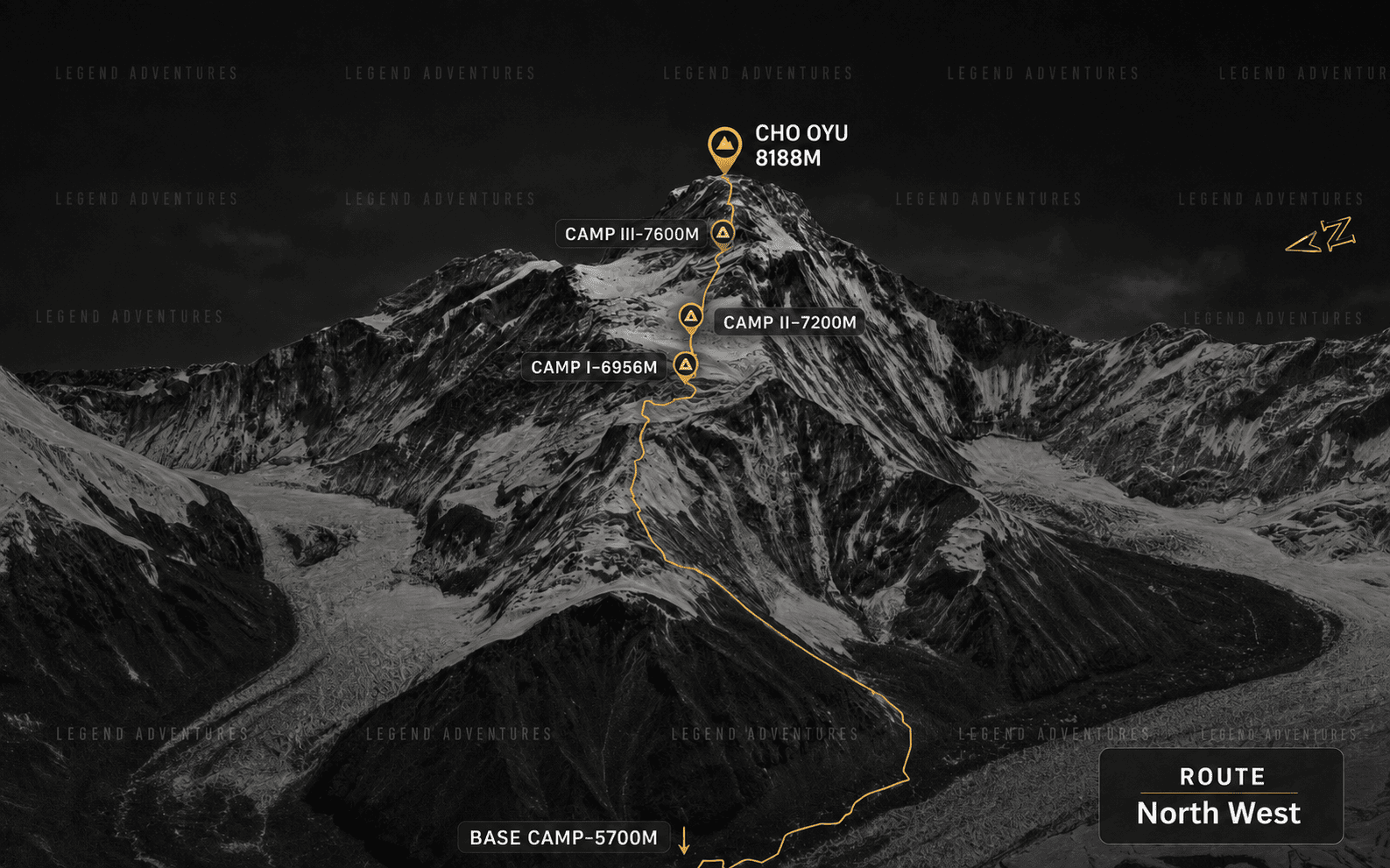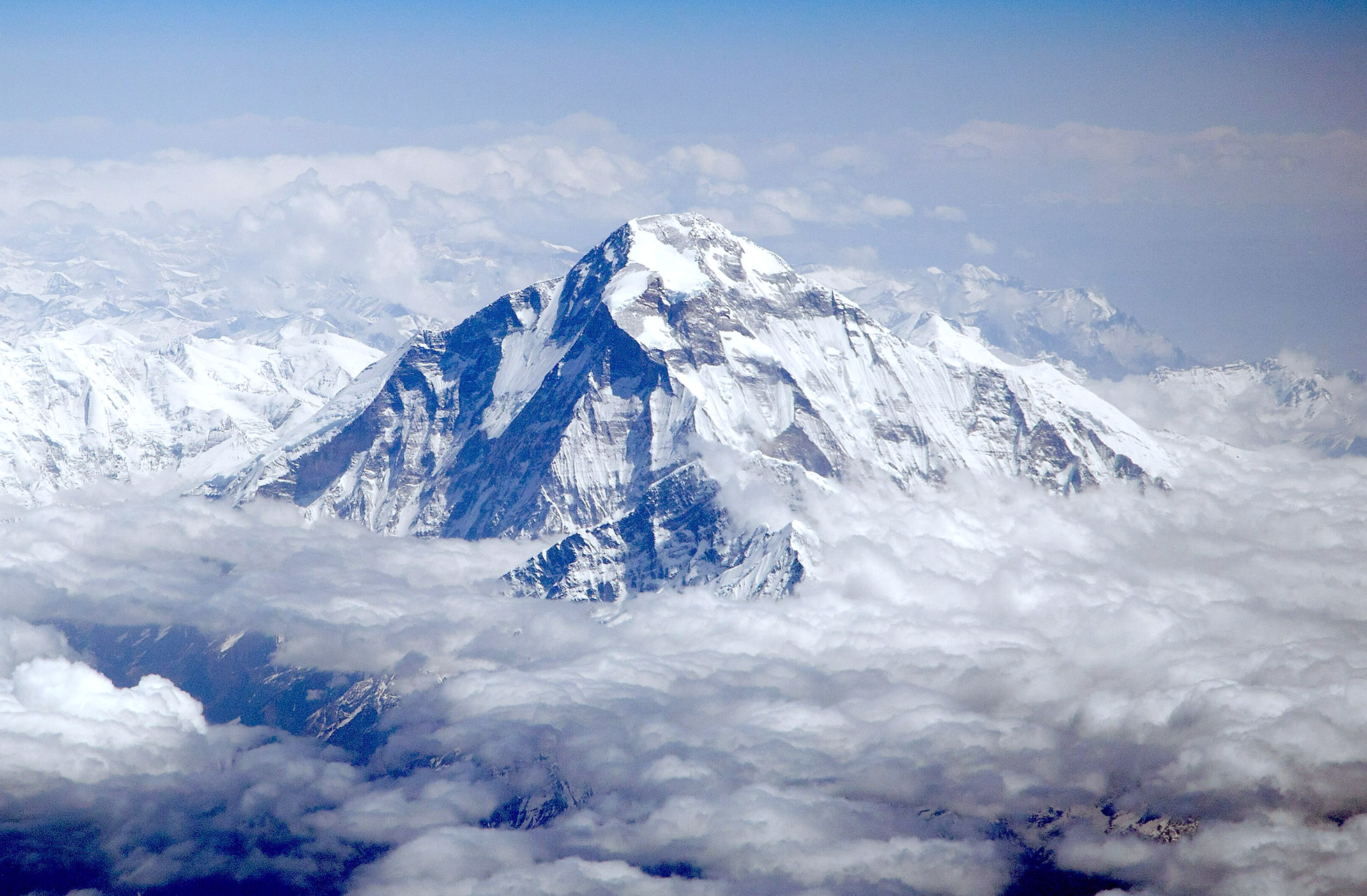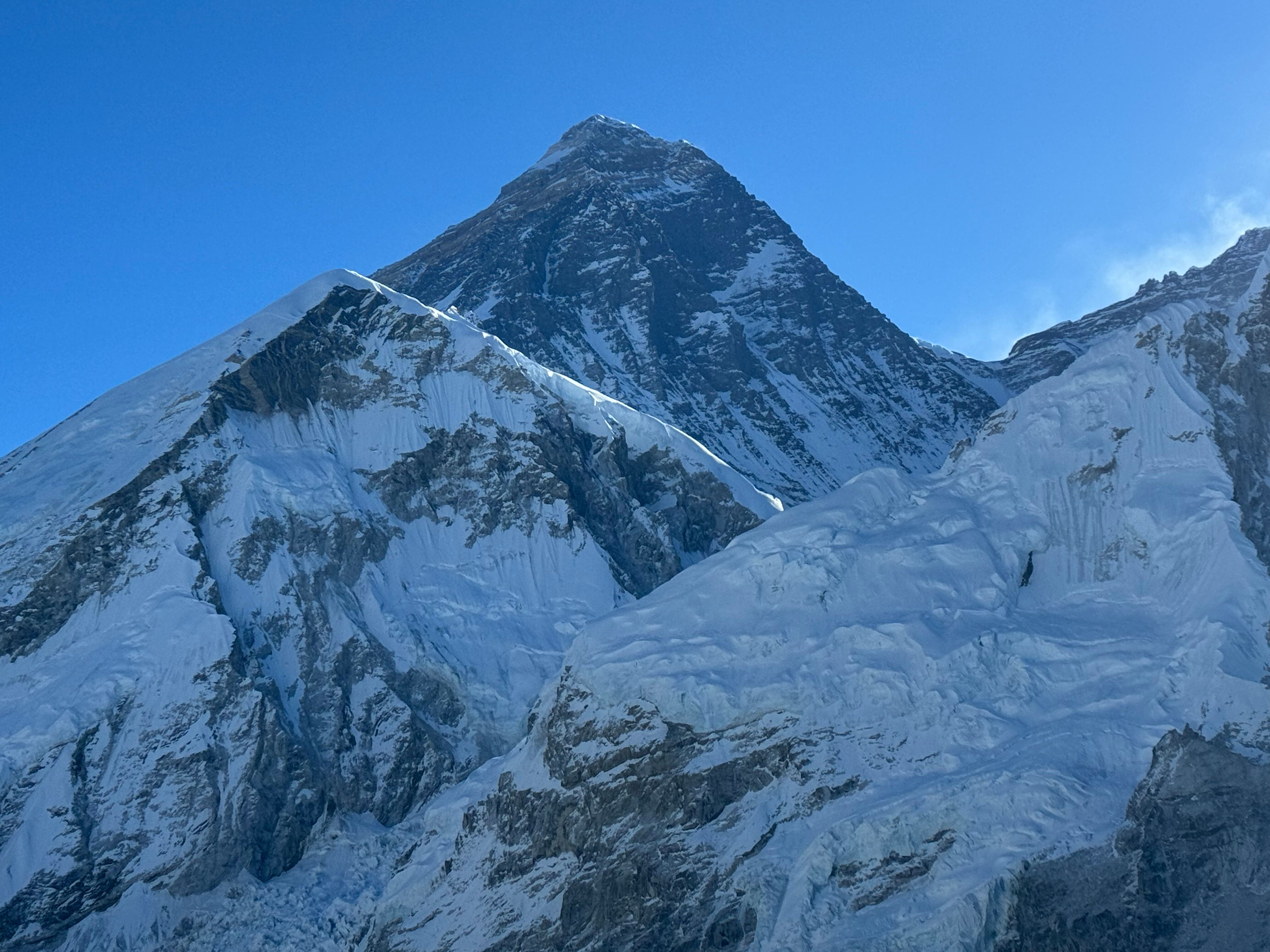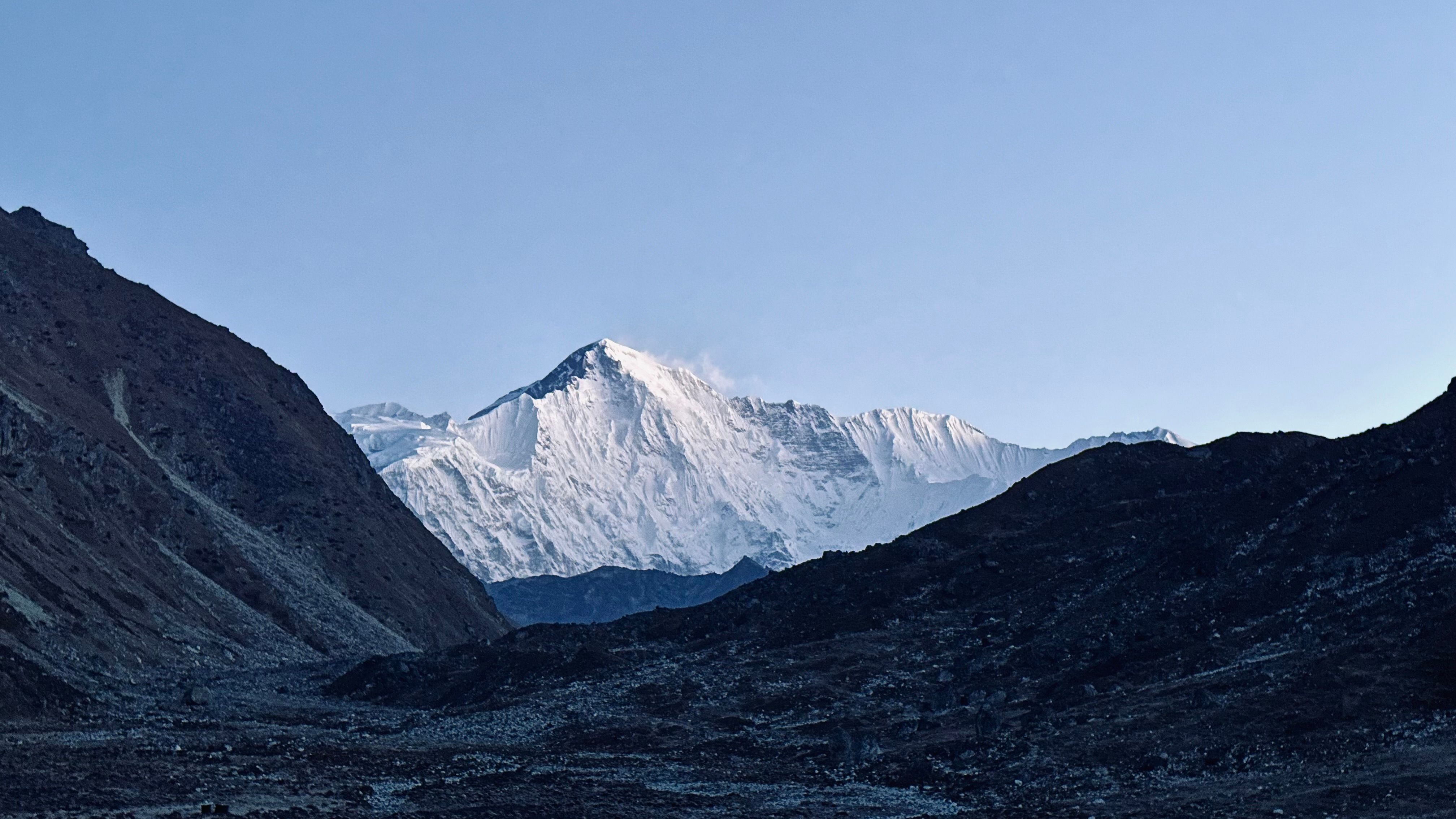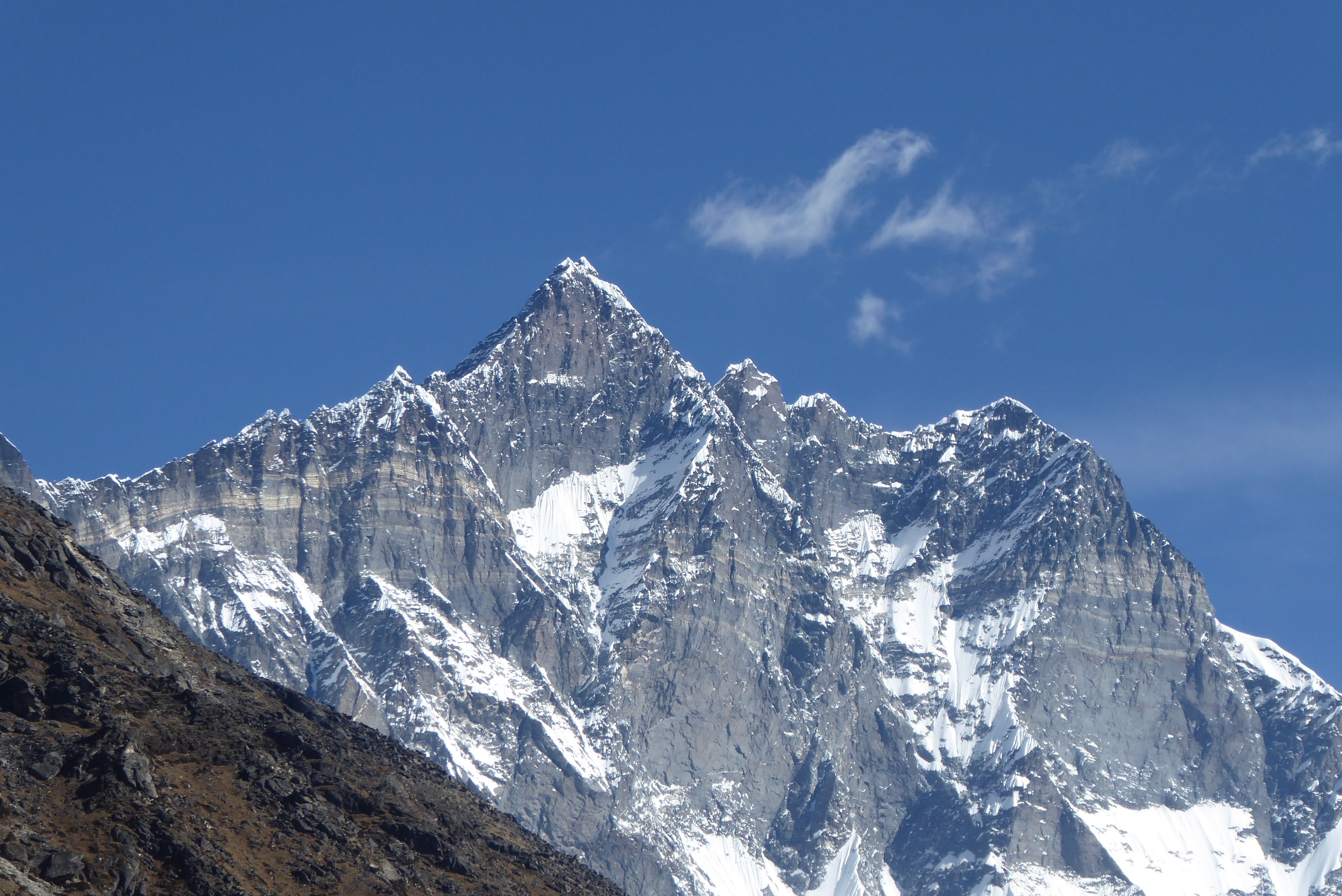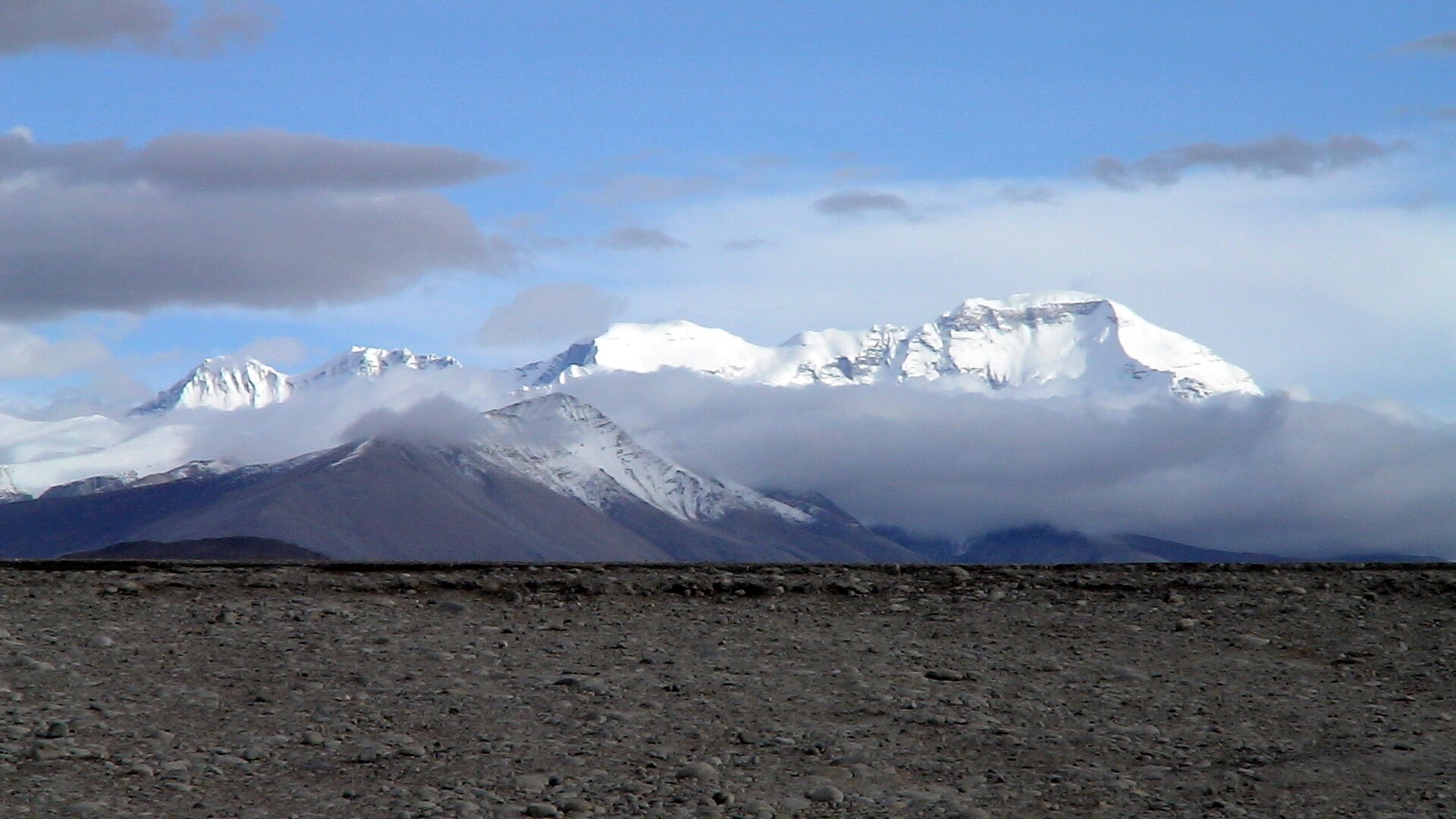
Cho Oyu elevated at 8,188m is located at a short distance to the west of Everest in the Khumbu area of East Nepal near the Tibetan border. It is the sixth-highest peak in the world.
Objective obstacles are minimal, as there are no technical difficulties. Its relative simplicity and accessibility make it a good option for a short Himalayan adventure, taking only about six weeks to climb from Base Camp. The journey to Base Camp is accessible to jeeps.
Due to the ease of access, ABC is often quite busy with a high number of expeditions. Just to the west of Cho Oyu, the Nangpa La pass rises, the ancient trade route between the Khumbu Sherpas and Tibet.
It was the third highest peak climbed, and the first climbed by a light expedition and in autumn. Herbert Tichy, Joseph Jöchler, and Sherpa Pasang Dawa Lama of the Austrian expedition were the first climbers to conquer Cho Oyu Expedition on October 19, 1954. They climbed the northwest ridge to the top.
Best Season for Cho Oyu Expedition
The pre-monsoon window (late March to late May) and post-monsoon window (September to October) are both good on the Nepal side. In the autumn, there are usually calmer and clearer days following the monsoon; Spring is the traditional window when jet stream winds abate in the Himalayas. Other seasons are possible, but are not typical for regular trips. A “weather window” is not “good weather” but a time which is judged not to be so bad as it could be. The choice of whether to use a “weather window” is a decision for the expedition leader and not the calendar.
Gear and Equipment
Cho Oyu requires standard 8,000m equipment, with a somewhat lighter technical load than steeper peaks given its glacier-based ascent.
-
8,000m-rated down suit and high-altitude summit boots
-
Sleeping bag rated to -40°C
-
Crampons, harness, ascender, ice axe, and carabiners
-
Helmet, headlamp, glacier glasses, and sunscreen
-
Base layers, mid layers, and insulated jacket for lower camps
-
Personal first-aid kit and any prescribed medication
-
Trekking poles, duffel bags, and a daypack
-
Supplemental oxygen, mask, and regulator (provided by the team)
-
Fixed ropes and route preparation, Base Camp to summit (provided by the team)
-
Camping and Base Camp/Advanced Base Camp equipment (tents, kitchen, dining facilities)
-
High-altitude rescue insurance
Safety and support
The team is led by Pemba Rita Sherpa, an internationally certified IFMGA/UIAGM mountain guide, backed by a team of high-altitude Sherpas, one-to-one with a climber through the rotation cycles and the summit push itself. A dedicated expedition doctor, or at minimum a designated medical officer, runs your baseline health screening at Base Camp and keeps up daily clinical checks for the rest of the climb. All of that sits alongside a full satellite communications and forecasting service whose job is to read the weather systems and find your summit window before anyone else does.