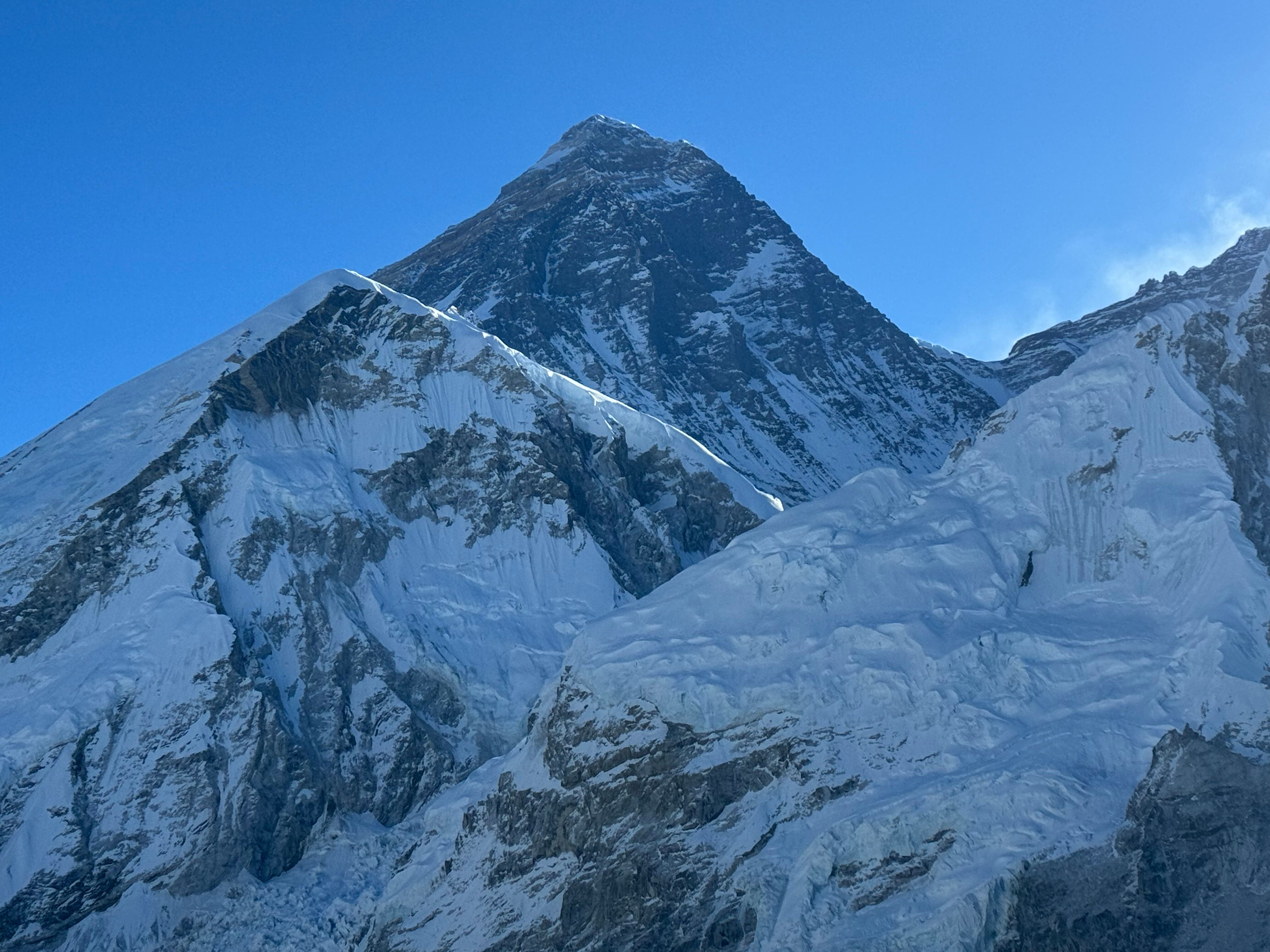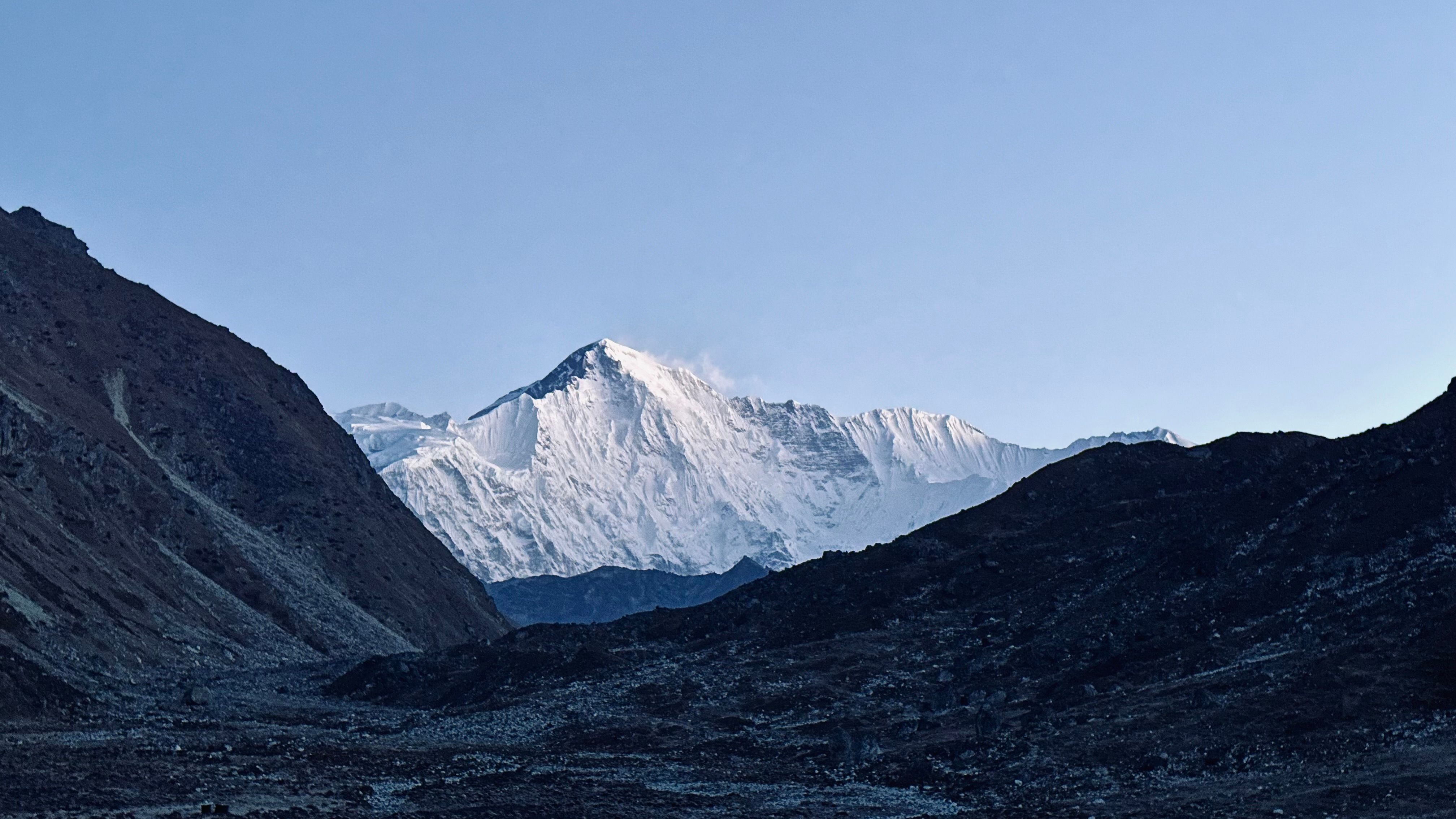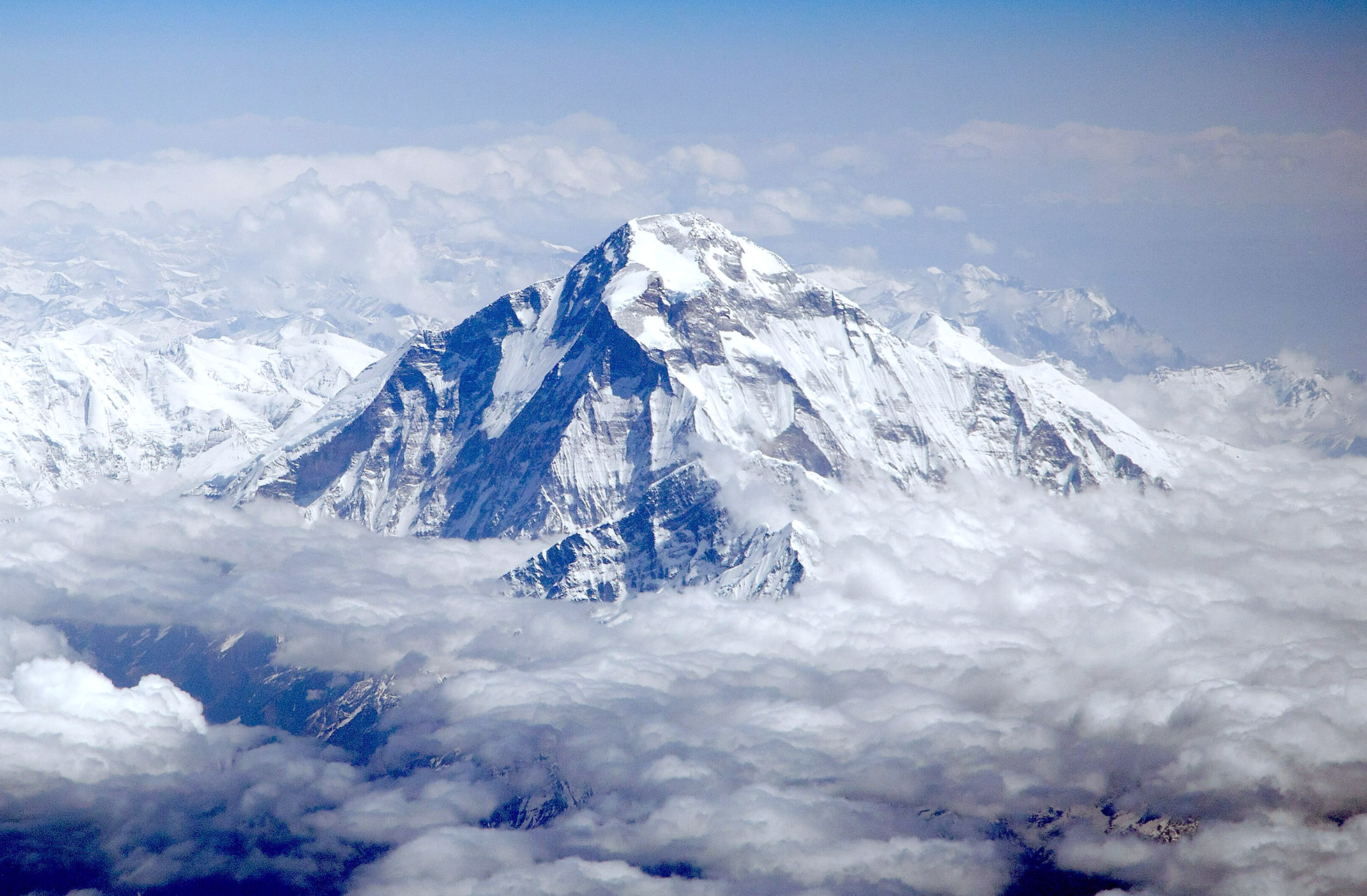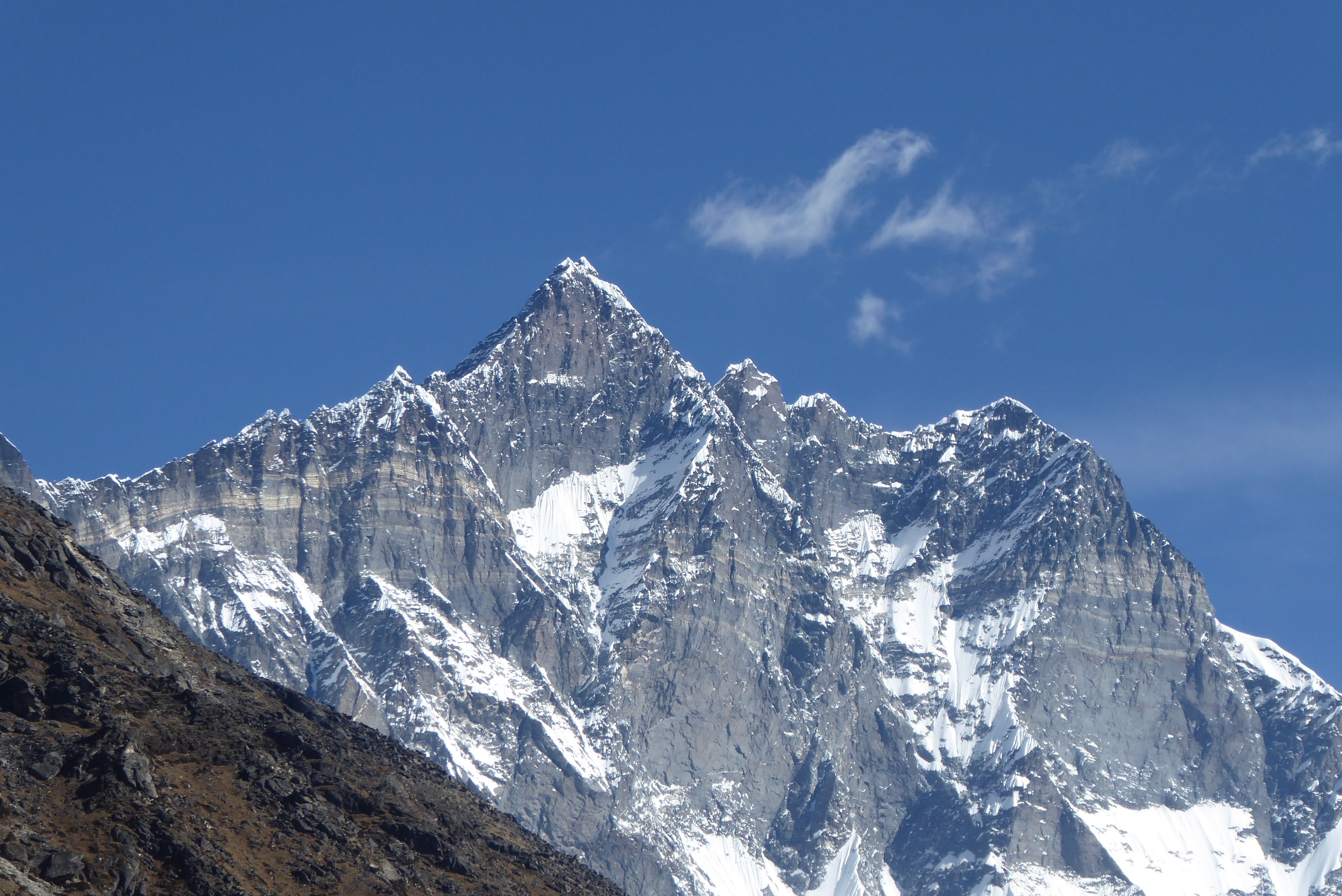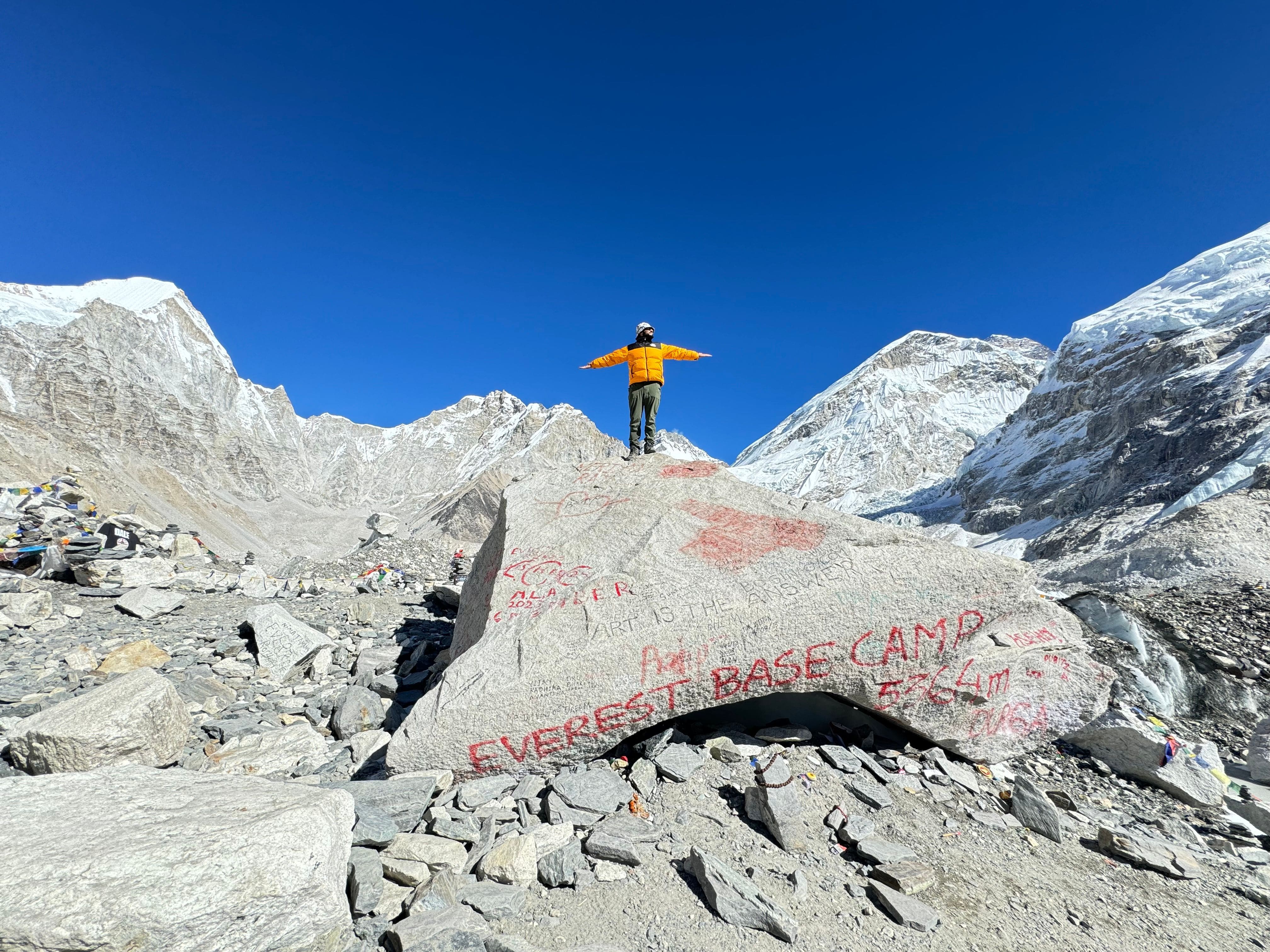
Everest Base Camp Trek with Kalaphatthar (5545m) is really a very special trail in the mountain region, which will leave a deep impression not only on Nepalese trek lovers but also on travelers from other parts of the world. Though its adventurous and thrilling character, this EBC Trek gives visitors an ideal setting for the study of local Sherpa culture, besides exploring the natural and diverse ecosystem of Sagarmatha National Park and immersing oneself in the peace and quiet of the Khumbu Valley. During the trek, you will see dense Rhododendron, Pine, and Juniper forests growing along the Dudh Koshi River, with the trail going right through dozens of small village settlements inhabited mainly by Sherpas.
The area's predominance of Sherpa Culture and Buddhist Religion can best be revealed by Truth is multi-colored prayer flags, prayer wheels, and carved Mani Stones are practically displayed on every corner throughout the trail. The panoramic views of Mt. Everest, Mt. Lhotse, Mt. Ama Dablam, Mt. Pumori, Mt. Nuptse, Mt. Makalu, Mt. Cho Oyu, Mt Thamserku, Mt. Kangtega, and countless others constitute the highlight of this trail. Kalapatthar at 5545m above sea-level is the highest elevation point of the entire hike here, from where breathtaking vistas of the mighty Everest and its neighboring giants are captured.
Best time to undertake Everest Base Camp Trek in Nepal
The ideal seasons for the EBC base camp trek in Nepal in 2026 are March-May and September-December, which are the months of calm weather and sunny days where it is easy to see the mountains and enjoy the trail that is so rich with nature, from the lush green forests, flowing rivers and streams to the songs of birds and animals. Also, there are the beautiful snow-capped mountain peaks all along the trail that can be seen for hours of hiking and trekking.
Preparation and Training
EBC is ranked moderate/strenuous; truthfully, the figure '5,364 meters' does not do justice to the level of difficulty of the trek. You are walking for 6-8 hours a day for 12-14 days, with almost 3,000 feet of elevation gain on day two from Phakding to Namche Bazaar. (This is the day that many a trekker feels the first wave of altitude.) The total route takes no technical skills nor any use of a rope or ice axe; yet, don't be deceived; it's not only about walking. If feasible, train three months or so before your trek. Climb stairs and hills, hike with a loaded pack (if you have one), take a run, or hit the bike; anything that affects your breathing. Success is not based upon any single workout but rather upon unrelenting consistency. This is what prepares your legs to survive and excel at long daily activities over a prolonged period of time. If you have done any trekking over 3,000- 4,000 m previously, even in a different country, this will help you learn to pace in your own body.
Gear and Equipment
-
Broken-in hiking boots, ideally with a few long walks already on them before you fly to Lukla
-
Down jacket for Dingboche, Lobuche, and the Kala Patthar push
-
Base layers, fleece, waterproof shell, because weather up there changes its mind fast
-
Warm hat, gloves, and good sunglasses, the glare off the snow is no joke
-
Trekking poles, your knees will thank you on the way down from Kala Patthar
-
Headlamp for the early starts, most people leave for Kala Patthar in the dark
-
Sleeping bag rated well below freezing, teahouse rooms get cold at night
-
Daypack for water, snacks, camera, whatever you want on hand during the day
-
A basic first-aid kit, plus anything you take regularly, don't assume you'll find it in Namche
-
Water purification tablets or a filter
-
Sunscreen and lip balm, sun exposure at altitude is stronger than it feels
-
Travel insurance that actually covers high-altitude trekking and helicopter evacuation, read the fine print
Safety and Support
The real threat is altitude sickness, not the trail. After approximately 2500 m, your body begins to encounter the effects of having less oxygen available in your blood, and it doesn't matter how healthy or athletic you might be; there have been plenty of very fit people who had to turn around, while a more sedentary trekker was happy, having gotten used to the altitude at the lower elevations. Those scheduled days at Namche Bazaar and Dingboche are a part of this itinerary, not a side trip or a luxury added on, and if your guide recommends an extra day's rest to better prepare for the climb to high altitude, even if you 'feel fine,' listen. The leader will know if you need it.
The final push to Kala Patthar (the uppermost summit others will end up doing, above 5,500m) is truly taxing: cold, steep at times, and very deceptive after several days of effort. If it isn't working for you today, abandoning Kala Patthar and continuing to Base Camp is an entirely reasonable decision, and plenty of seasoned hikers will reach that decision too. Be alert for symptoms of headache, nausea, or increased fatigue, and speak up to your guide early rather than suffer silently.
The good news with this approach is having one of the best-supported treks on earth: teahouses the entire route, and helicopter support is a legitimate possibility if things become dire, which is not true on more isolated routes. The crews have done the trail far too many times to admit, and it's experience that is possibly the number one safety issue: it's knowing when to slow down, when to hold off with the rest day rather than trying to keep up, and when to head back rather than press forward.