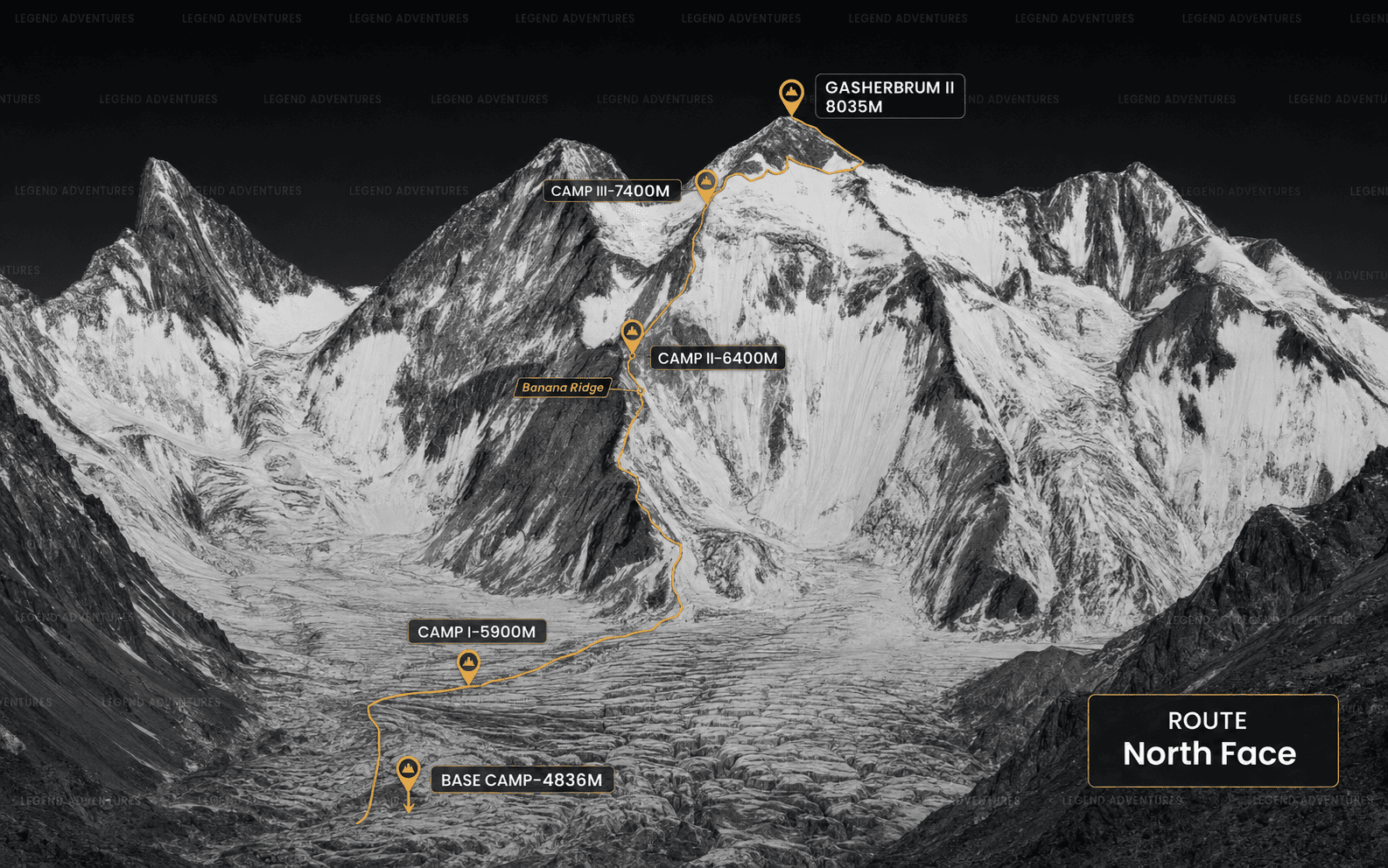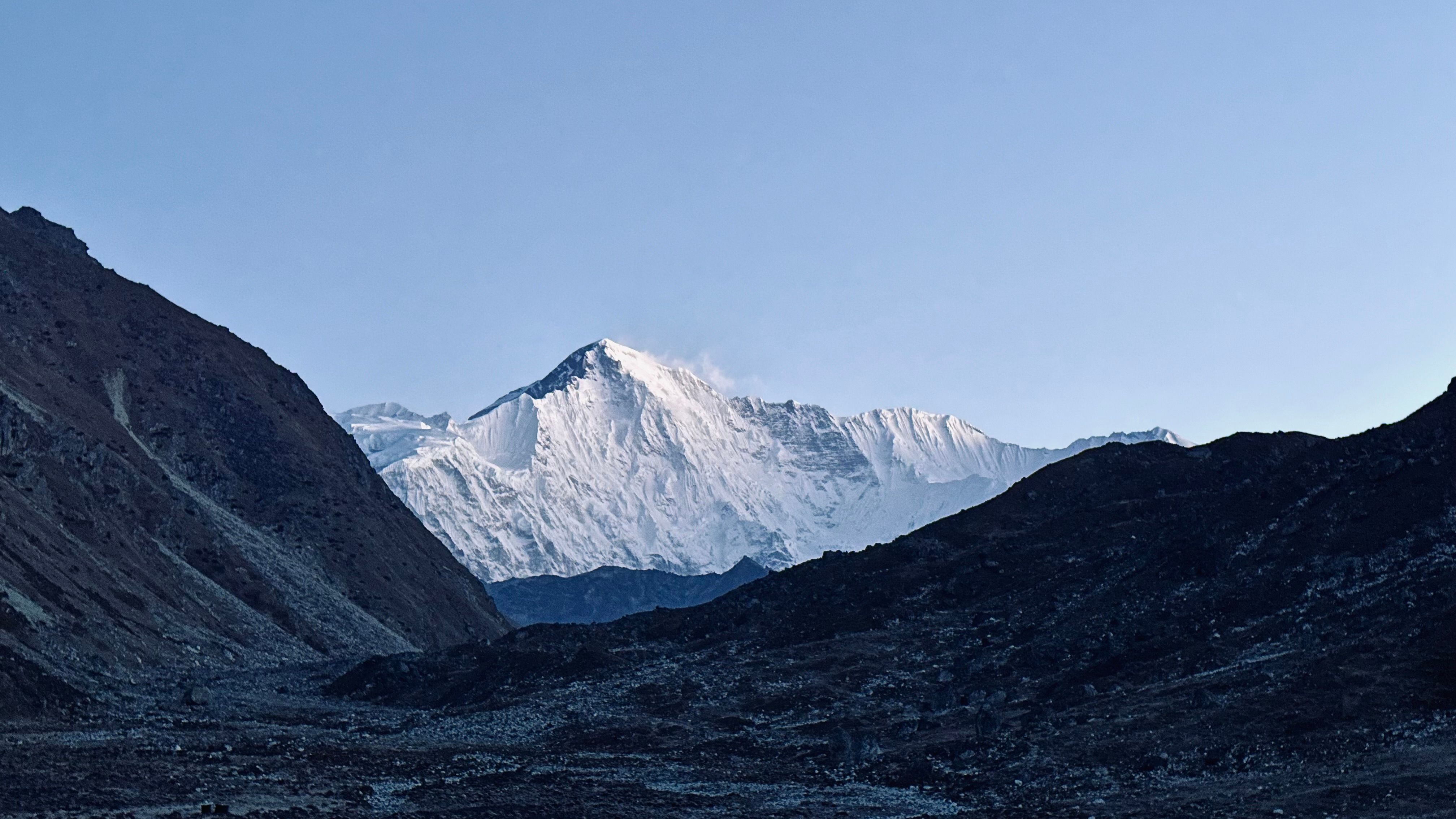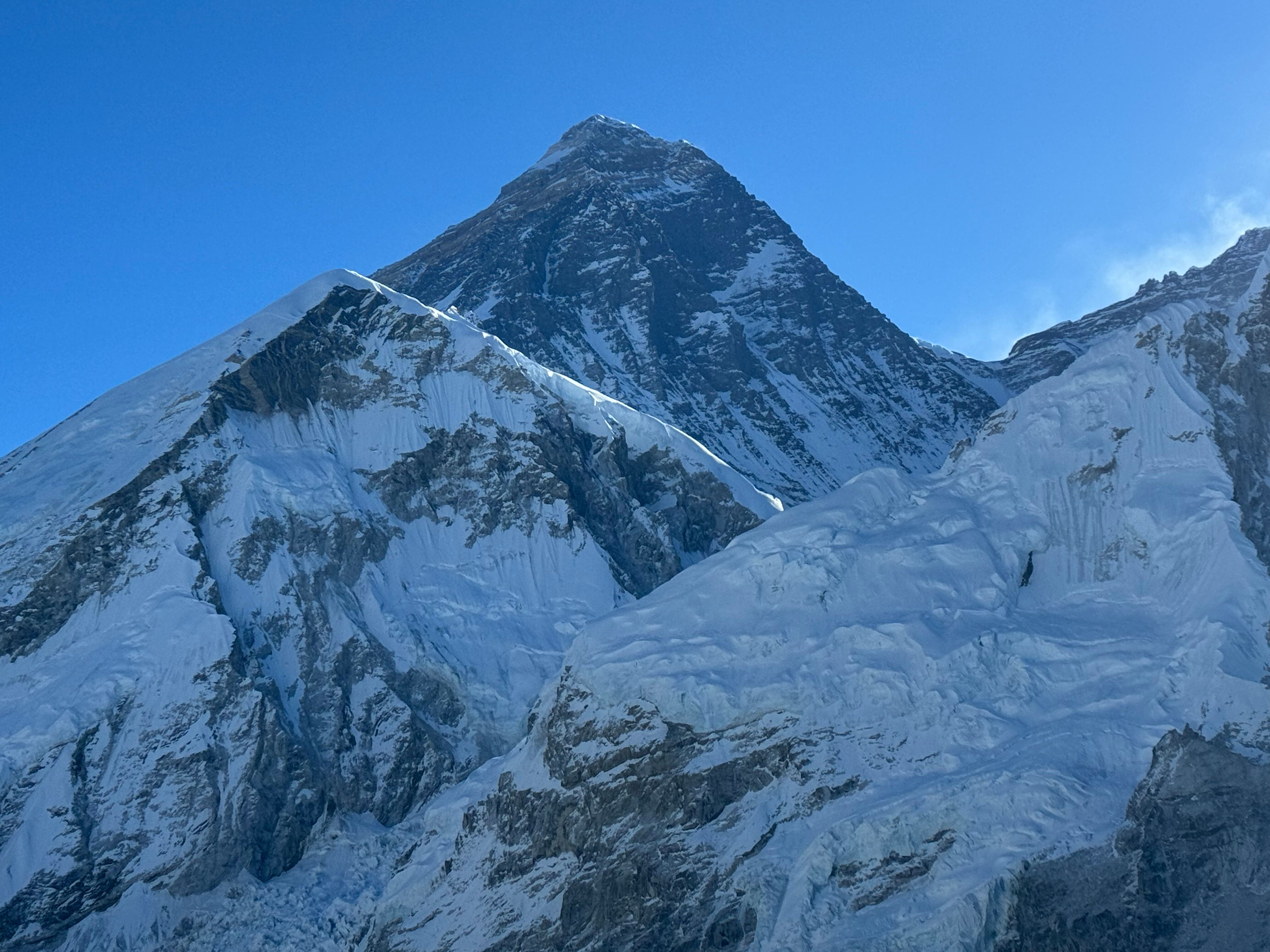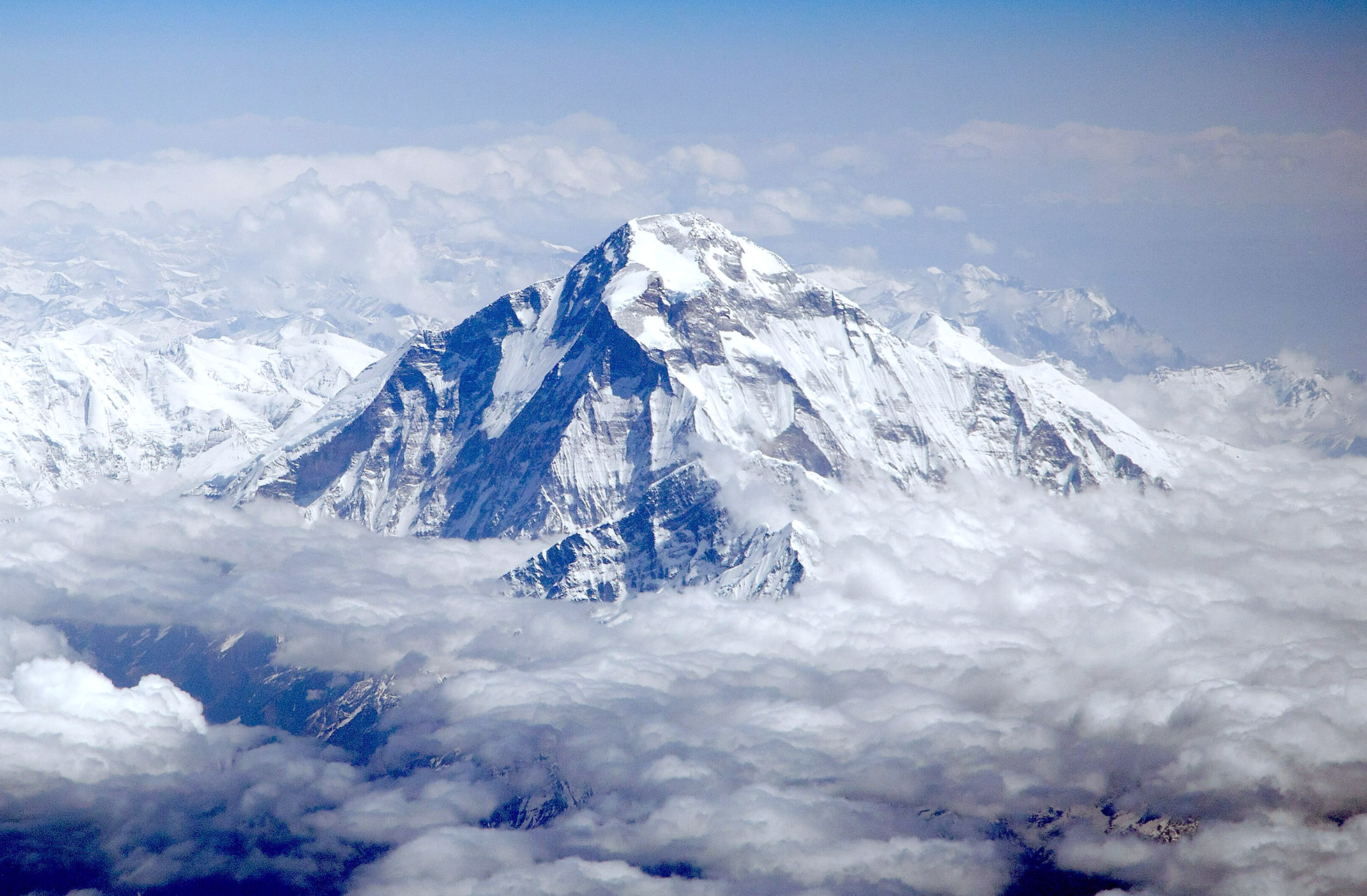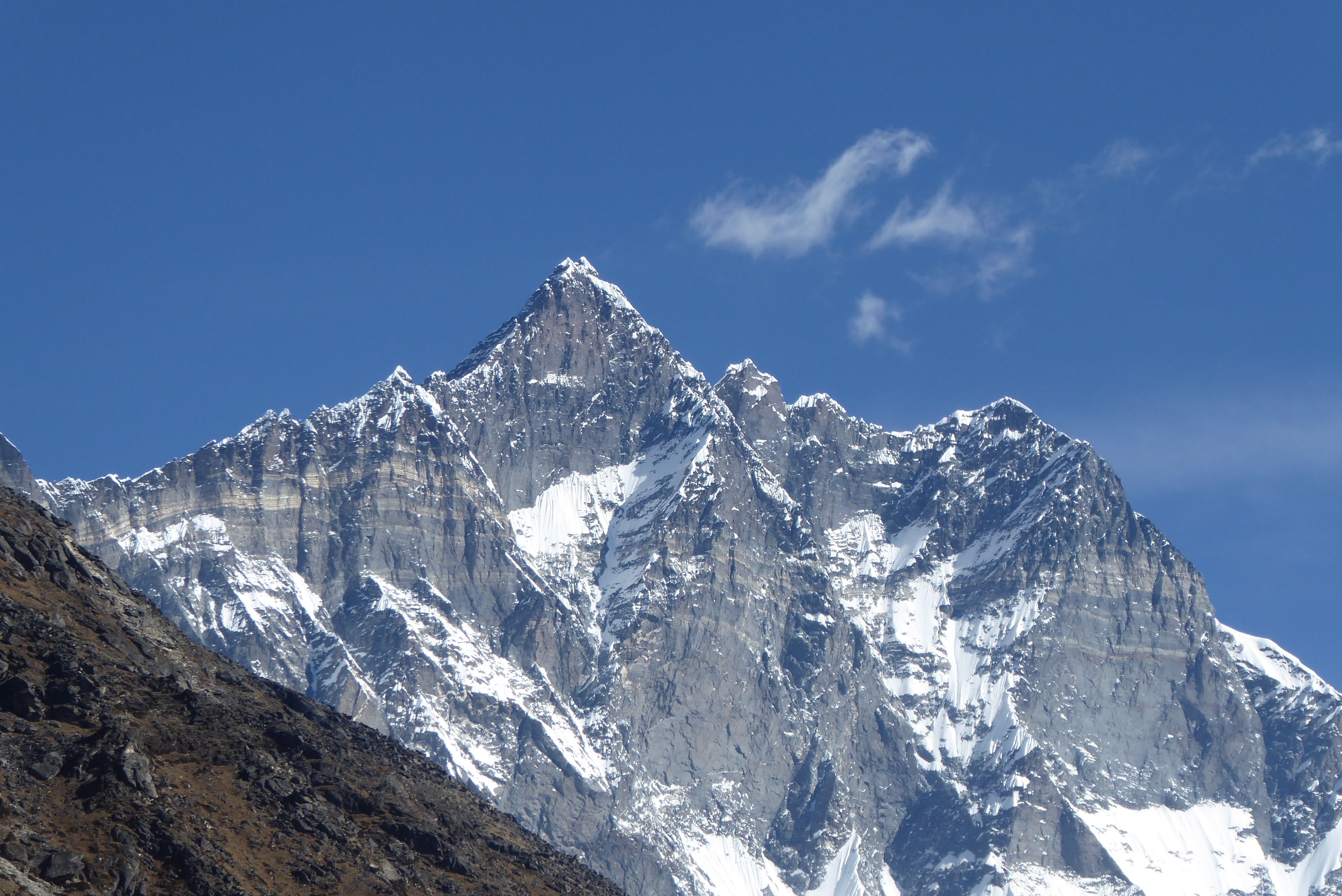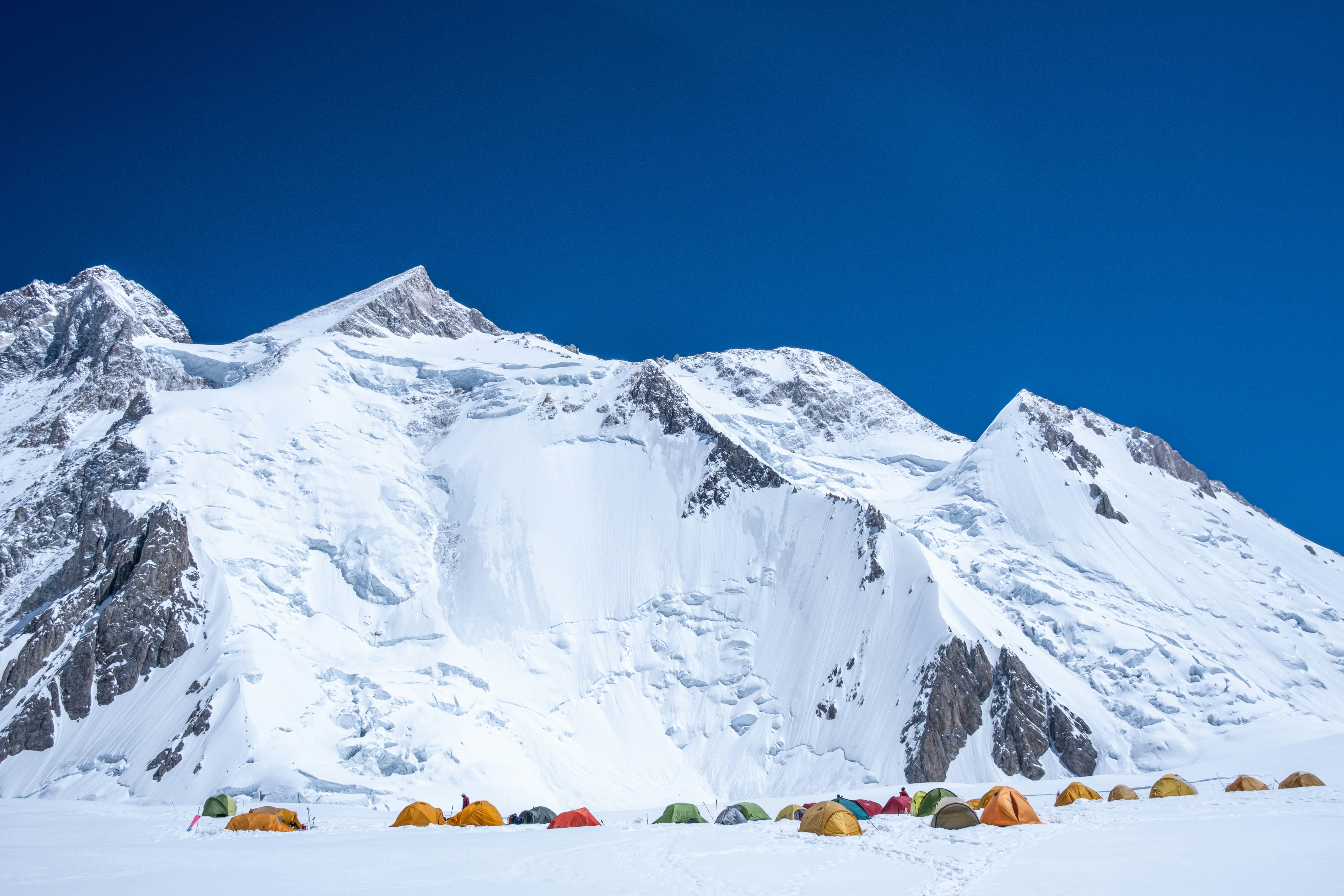
The thirteenth tallest peak in the world, Gasherbrum II stands majestically on the border of Pakistan (Gilgit-Baltistan) and China in the territory of Pakistan. The 8,035 m-high peak is world-renowned as the 2nd-highest peak in the Gasherbrum group after Gasherbrum I and “K4,” named by the British surveyor Thomas George Montgomerie in 1856 while he was partaking in the Great Trigonometric Survey in India. The Balti, on the other hand, disagree; the mountain can also be given its old name, which has an interesting meaning made up of two words, “rgasha” (meaning beautiful) and “brum” (meaning mountain).
Best season to climb Gasherbrum (G2) II
The most favorable season to climb is summer. The majority of the ascents have been made in July and August, when it is the warmest part of the year. The months are more rewarding for the expedition to the top of Gasherbrum (G2) II than in winter.
Preparation and Training
Gasherbrum II (8,035m) is considered one of the more approachable 8,000m summits of the Karakoram, due to the relatively easy south-southwest face, but it is still a serious undertaking. It is not technically demanding, but climbers should have experience above 6000-7000m, comfort in basic snow and ice climbing on 30-45° pitches, and good fixed-rope skills as the route above Camp 2 is in exposed avalanche terrain. Training should start 6-8 months out, and consist of a solid aerobic base (hiking with a heavy pack, running, cycling), with the ability to maintain multi-hour efforts at altitude along with strength training of the legs and core.
Technical preparation should involve jumaring, rappelling, and cramponing on firm snow as well as crevasse awareness on glacier terrain, as the long approach to the Baltoro Glacier and the Upper Gasherbrum Glacier itself is a serious undertaking before the climbing even begins. As Gasherbrum II is frequently a climbing companion to Gasherbrum I, or a step on a rotation from that peak, any prior rotations above 6,000m elsewhere provide a genuine benefit to body acclimatization here.
Gear and Equipment
-
8,000m-rated down suit and high-altitude summit boots
-
Sleeping bag rated to -40°C
-
Crampons, harness, ascender, ice axe, and carabiners
-
Helmet, headlamp, glacier glasses, and sunscreen
-
Base and mid layers, plus an insulated jacket for the lower camps and the long glacier approach
-
Personal first-aid kit and whatever medication you take regularly
-
Trekking poles, duffel bags, and a daypack
-
Supplemental oxygen, mask, and regulator (available if you want it)
-
Fixed ropes and route preparation from Base Camp to the summit (handled by the team)
-
Tents and Base Camp kitchen setup
-
High-altitude rescue insurance, worth double-checking the coverage limits on this one
Safety and Support
The dangers with Gasherbrum II are not so much the technical challenges of the climb itself, but the avalanche danger above Camp 2 and crevasse risk along the long glacier approach plus the sheer remoteness of the Karakoram. A well-managed expedition maintains a very low ratio of climbers to Sherpa guides (close to one to one on the Summit Day) and reserve Sherpa guides are kept on standby, and a Base Camp manager carefully monitors the window of opportunity and snow conditions.
If they wish, they can have supplemental oxygen, but Gasherbrum II is one of the more frequently attempted 8,000m peaks without supplemental oxygen. Here and throughout the Karakoram, if the terrain is below about 6000m then helicopter evacuation is available as a rescue option, and above this level, this is the least important of the considerations; the acclimatization plan and turnaround discipline is of critical importance. Camps 1 to 3 are a structured multi-rotation program designed for acclimatization, or gaining strength and lung capacity, prior to the summit attempt.
The founder himself is an internationally certified IFMGA mountain guide, a fourteen-time Everest summiteer who has a rare depth of judgment in his decisions on a mountain of this magnitude: when to push, when to wait, and when to turn around. So, now let’s see with his guidance what days we will be venturing.