The Physical Terrain of the Nar-Phu Region
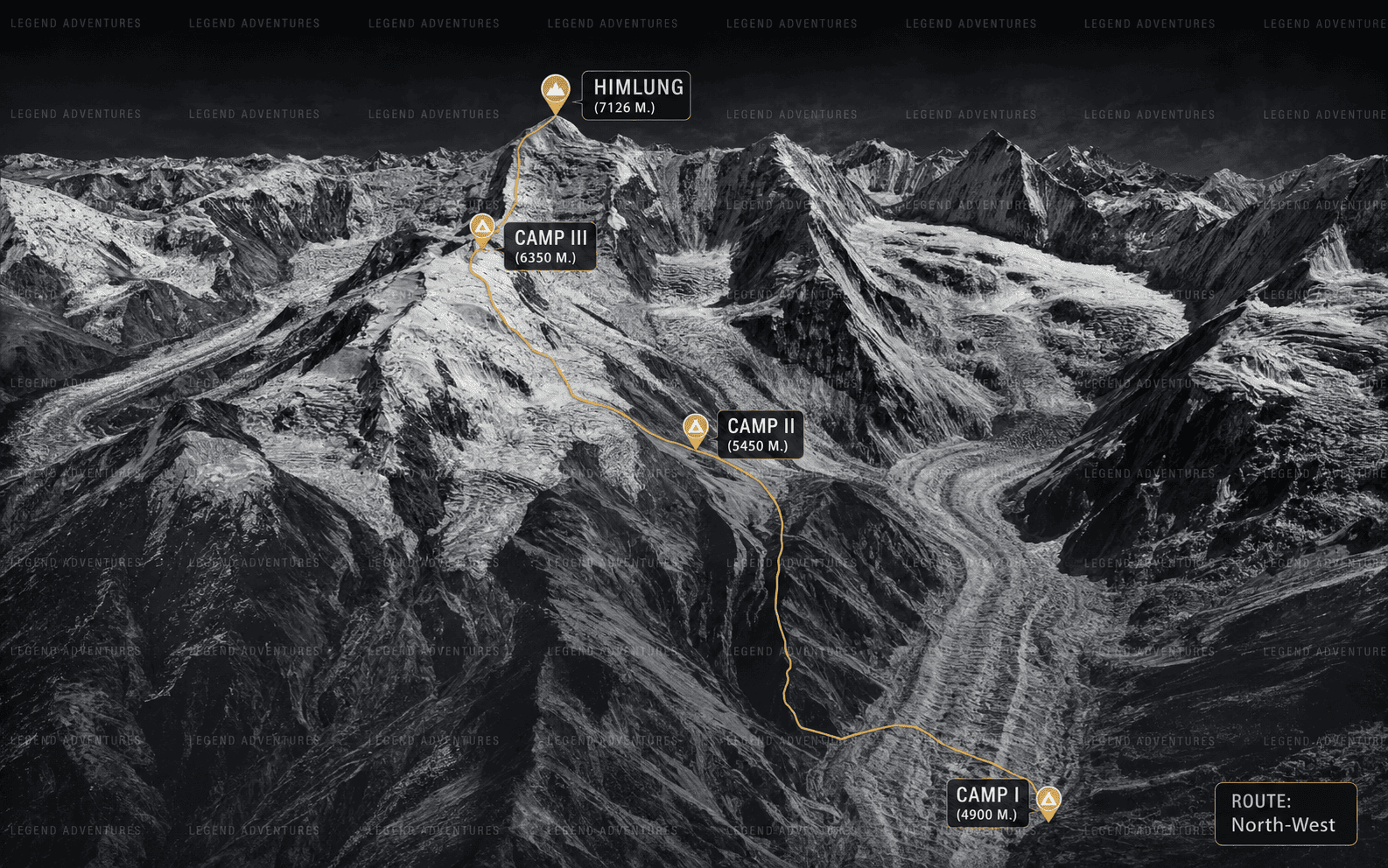
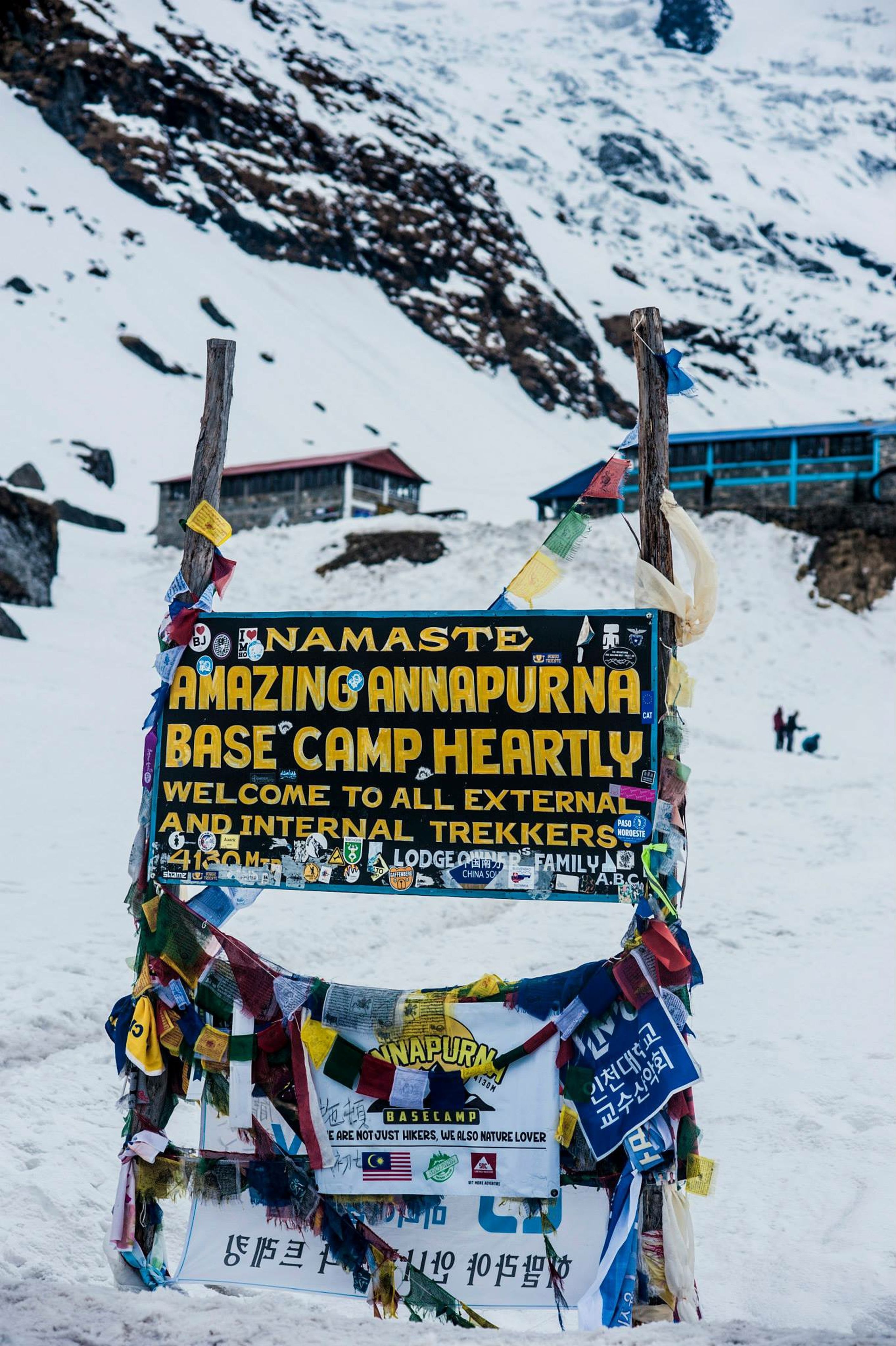
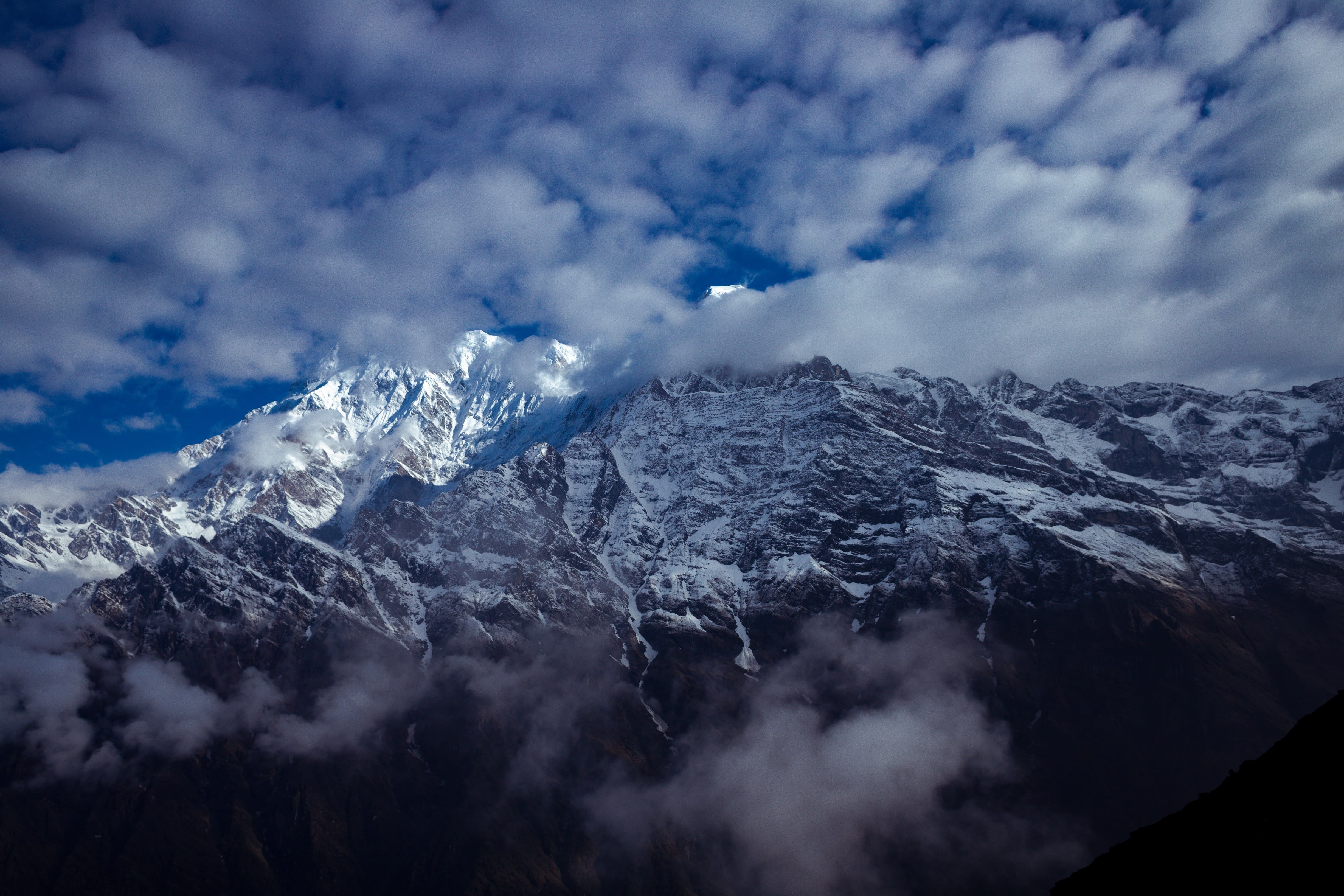
Himlung Himal stands at an elevation of 7,126m in the remote Manang region of Nepal, close to the border of Tibet. Ascended for the first time in 1992 by a Japanese team, Himlung is a perfect 7000m peak for aspiring mountaineers. It offers a progression from remote trekking trails through the Nar-Phu village to glacial terrain leading to high-altitude climbing. The expedition takes the members into the restricted areas of Nar Phu valleys, following the steep cliffs, glacial streams and narrow valleys. The route continues from Phu gaon toward the high alpine landscape toward the Himlung Base Camp. As the elevation rises, the landscape becomes barren, drier, and resembles the Tibetan character. The higher sections open to exposed rocks, scree, moraines and alpine pasture, making it even more remote.
The Culture of Nar and Phu
One of the most enticing parts of the Himlung Expedition is the journey through the Nar and Phu villages. Nar-Phu villages are among the most distinctive high-altitude settlements with stone houses, old monasteries, chhortens, terraced farmlands, and a rich showcase of Buddhist traditions and practices. The lifestyle revolves around agriculture, livestock, and seasonal hospitality. Despite the hardships of mountain life, the locals are welcoming and amiable, which makes travelers feel the beauty of Nepal and its culture. Phu Gaon is a prominent stop during the expedition, with traditional settlements surrounded by dramatic cliffs and high mountains. It is the staging point where human settlement differs from the mountain region with the least influence of the outer world. The geographical placement of this valley is probably the reason it has been able to preserve its century-old culture and tradition for us to witness.
Why is Himlung the perfect 7000m peak for mountaineers?
Himlung has been highly recognized as one of the best and most preferred peaks before attempting any 8000m peak. The mountain poses less challenge and technicalities than Ama Dablam and the environment is less harsh. It helps climbers practice the rhythm of high-altitude rotations, Base Camp accommodation and acclimatization, equipment handling, and planning.
Best Season for the Himlung Himal Expedition
Himlung Expedition is more suitable in Autumn given its dry trails, colder but clearer nights, and well-settled high-mountain weather post-monsoon. The Nar-Phu region is easy to approach, but we can expect some early snow that can affect the upper sections of the valley.
Considerations and Trip Notes
Visa Requirements
Eligible travellers can obtain a Nepal tourist visa on arrival in 15-, 30- or 90-day multiple-entry options. For a 30-Day expedition, you may think of getting a 30-day VISA but the weather and climatic conditions in the mountain region are unpredictable and can cause delays, so we suggest getting a 60-Day or 90-Day VISA to avoid any unavoidable circumstances. Travellers who are not eligible for a visa on arrival must arrange their visa before travel.
Insurance Requirements
Himlung Expedition requires an insurance policy that covers high altitude mountaineering, emergency evacuation, medical treatments in Nepal, repatriation, expedition interruption and cancellation. The insurance policy must be in place before even applying for the climbing permit.
Fitness, Technical and Experience Standards
-
Previous climbing experience above 6,000 metres is strongly recommended. A climber should already know how altitude affects their appetite, sleep, pace and decision-making.
-
Confident crampon use on snow and firm glacier ice is required, including steady movement while roped on crevassed terrain.
-
Participants should be comfortable ascending fixed rope with a Jumar, changing safety attachments, descending fixed lines and managing a harness with gloves on.
-
A strong aerobic base is essential. Expect long days carrying personal equipment while moving between 5,000 and 6,300 metres before summit day.
-
Members should be able to look after themselves in a high camp: melt or manage water, protect boots and gloves from freezing, organise food, and monitor cold injury.
-
Legend Adventures may review a climbing resume and medical information before confirming participation.
Environmental Conduct by Legend Adventures
Legend Adventures follows and encourages following a leave-no-trace policy in all its expeditions. Especially in sensitive and remote regions like Nar-Phu, it is essential to strictly adhere to the rule of carrying or leaving no external items.
Gear List Suggestions
-
Expedition-quality double or triple-mountaineering boots compatible with 12-point crampons.
-
A very warm down suit or expedition down system suitable for a 7,000-metre summit day.
-
Waterproof shell jacket and trousers, insulated mid-layers and moisture-managing base layers.
-
Mountaineering harness, Jumar, descender, locking carabiners, safety sling and helmet.
-
Technical ice axe suitable for general high-altitude mountaineering rather than steep waterfall ice.
-
Category 4 glacier sunglasses, full-coverage goggles and spare eye protection.
-
Sleeping bag rated to -30°C or lower, plus an insulated sleeping-pad system.
-
High-altitude mitts, liner gloves, spare warm gloves, balaclava and full face protection.
-
Headlamp with cold-resistant batteries, insulated water bottles and a thermos.
-
Personal medication, blister kit, sunscreen and a small repair kit for essential equipment.
Legend Adventures shares a full equipment checklist to each member before departure so that everything can be planned ahead. Boots, crampons, gloves and harness systems should be tested before the expedition starts to avoid any unforeseen consequences in the mountains.
Team Expertise at Legend Adventures
The Himlung Expedition is led by a Senior expedition leader, coordinated by a Sirdar for route timing, movement, weather information, and communication, while experienced climbing Sherpa guides support rotations, higher camps, and summit attempts on a 1:1 ratio. The base camp operations are handled by the operations team and maintain medical supplies, emergency oxygen, satellite communication, and equipment assessment.