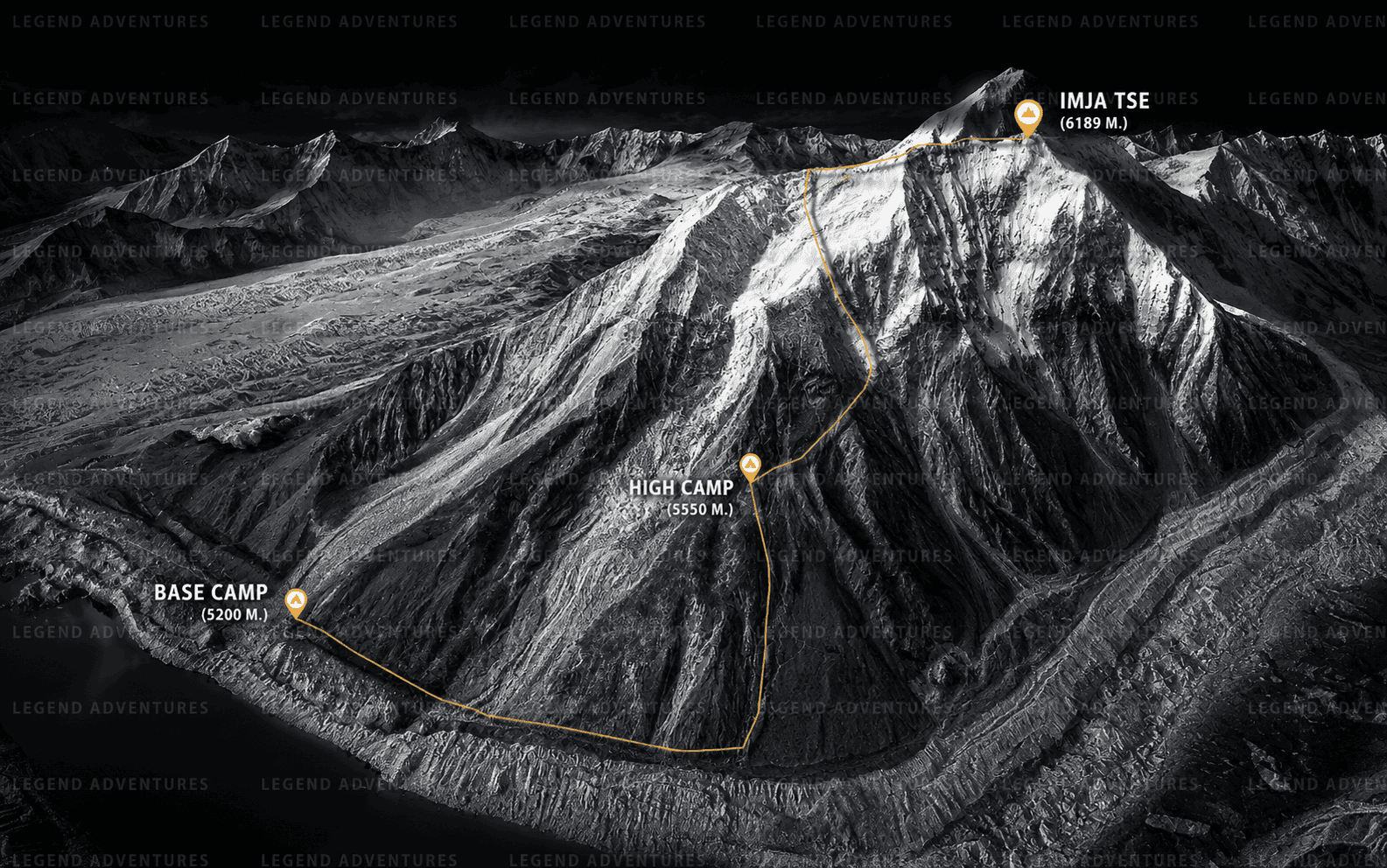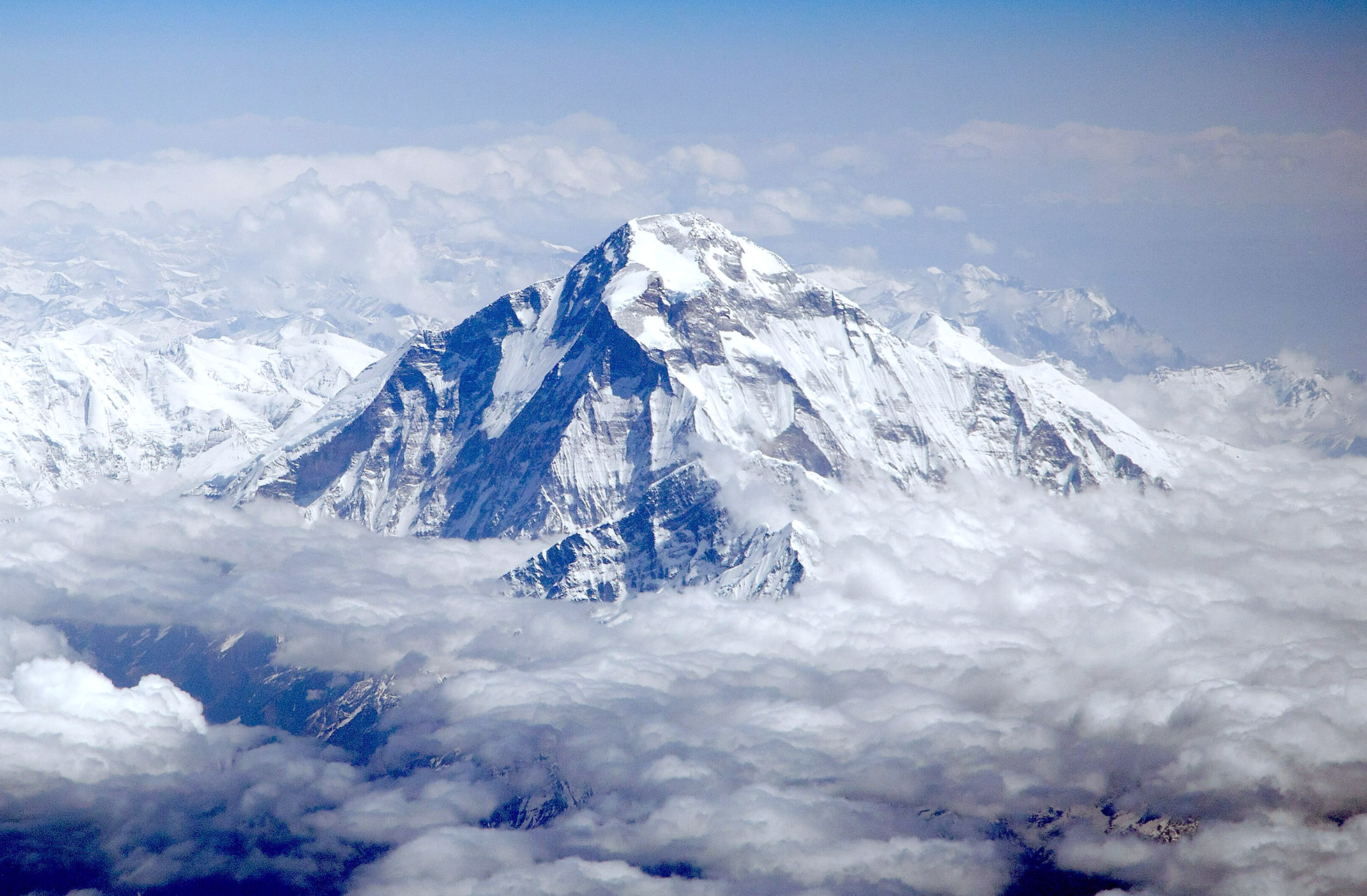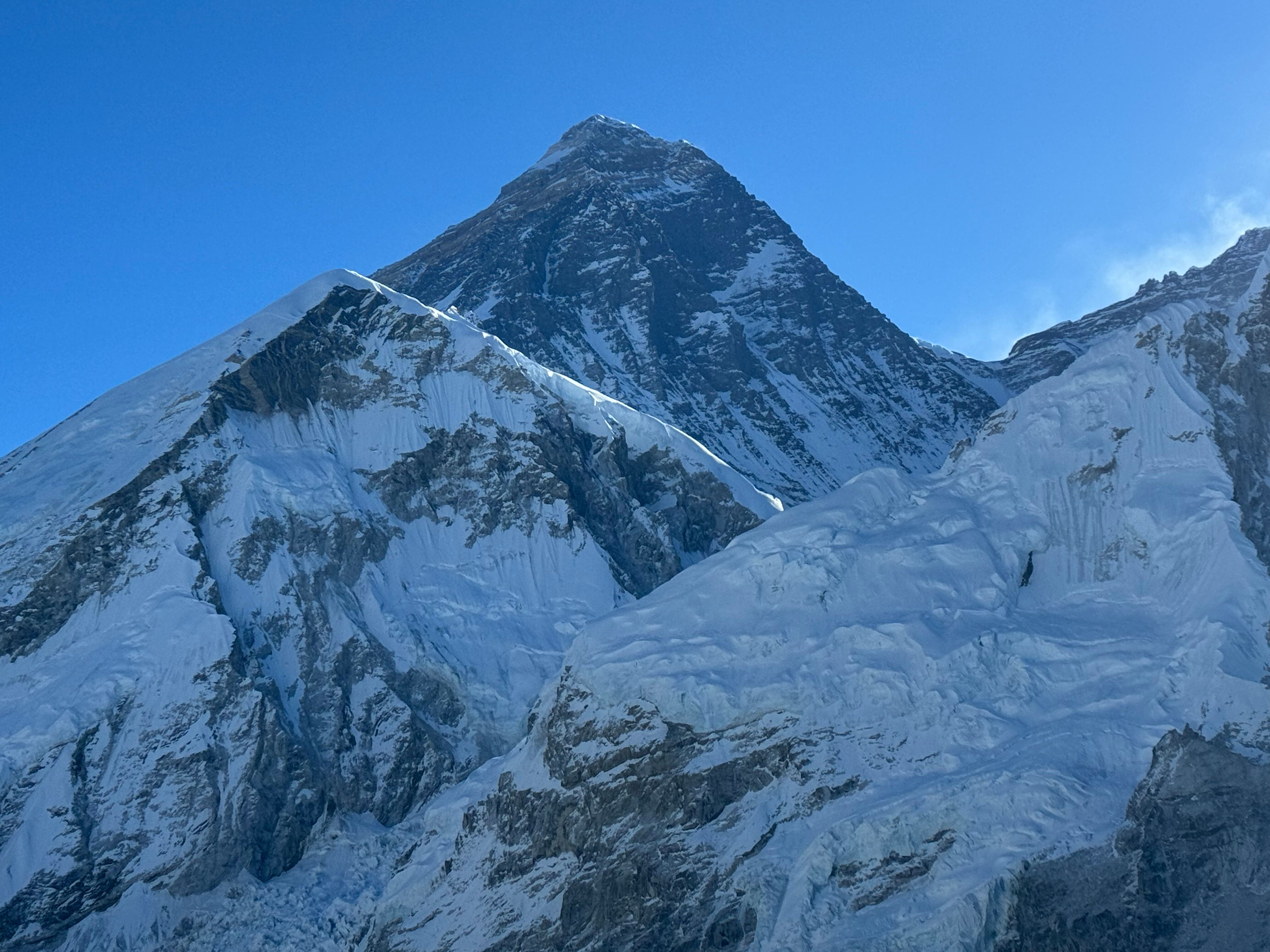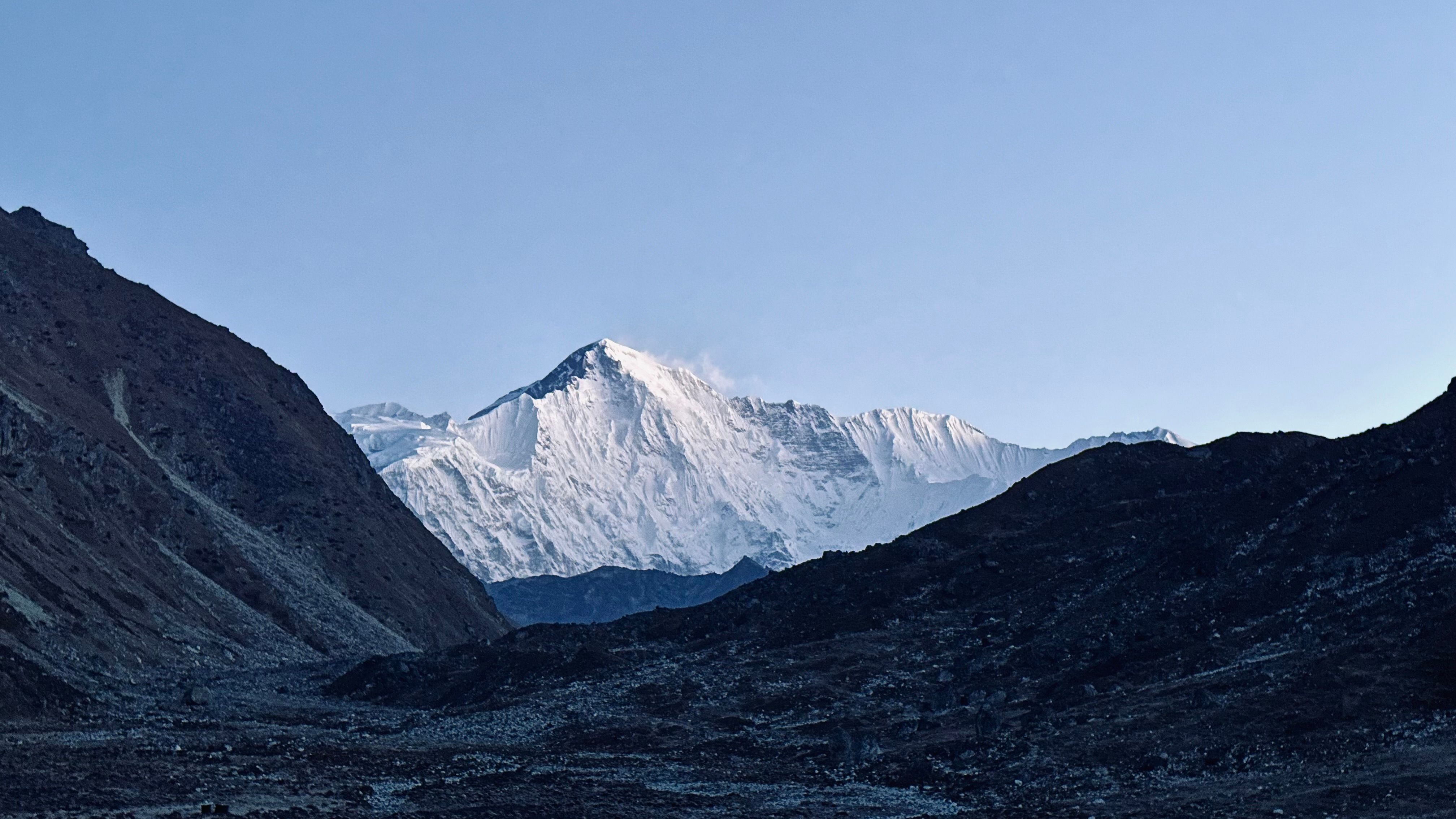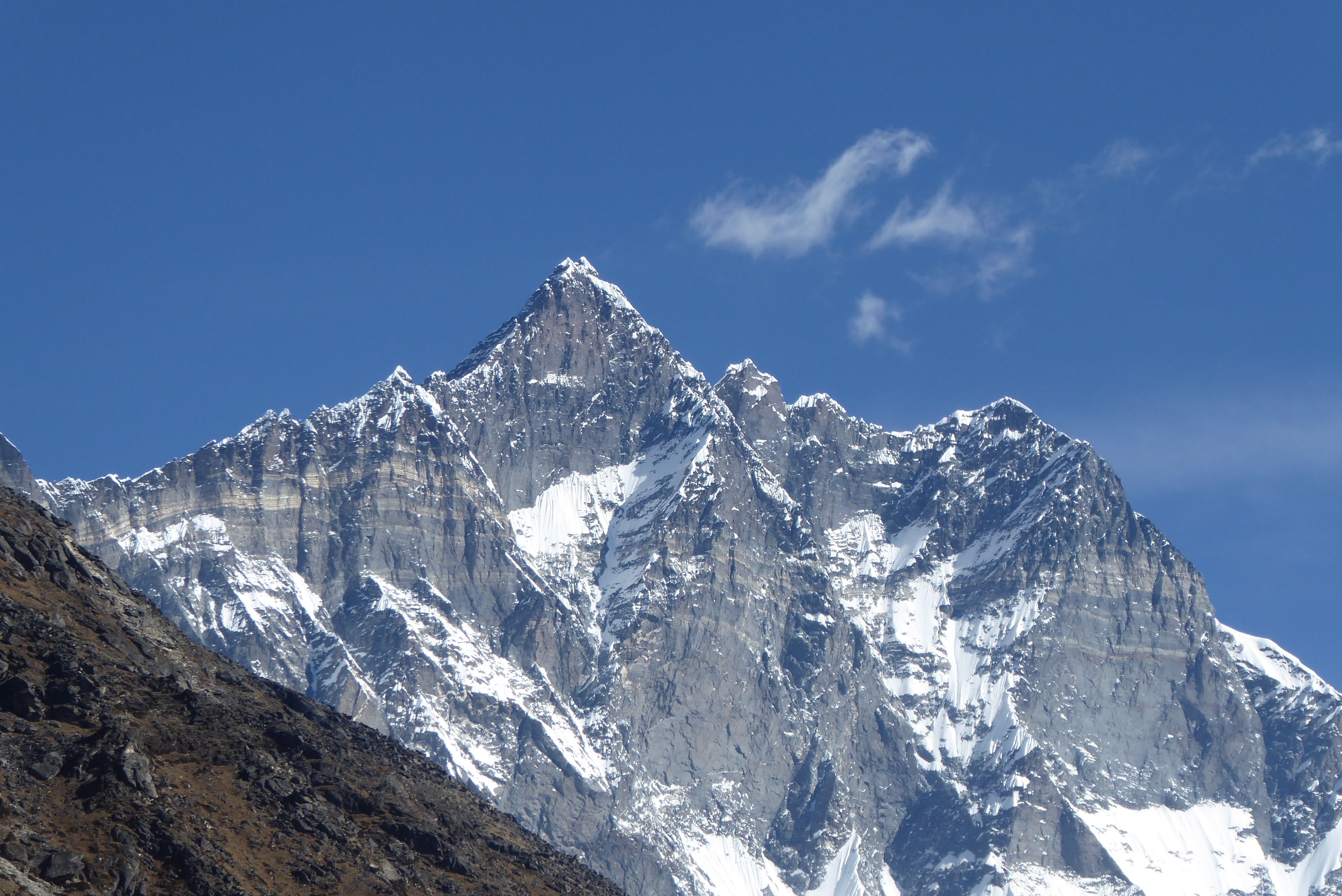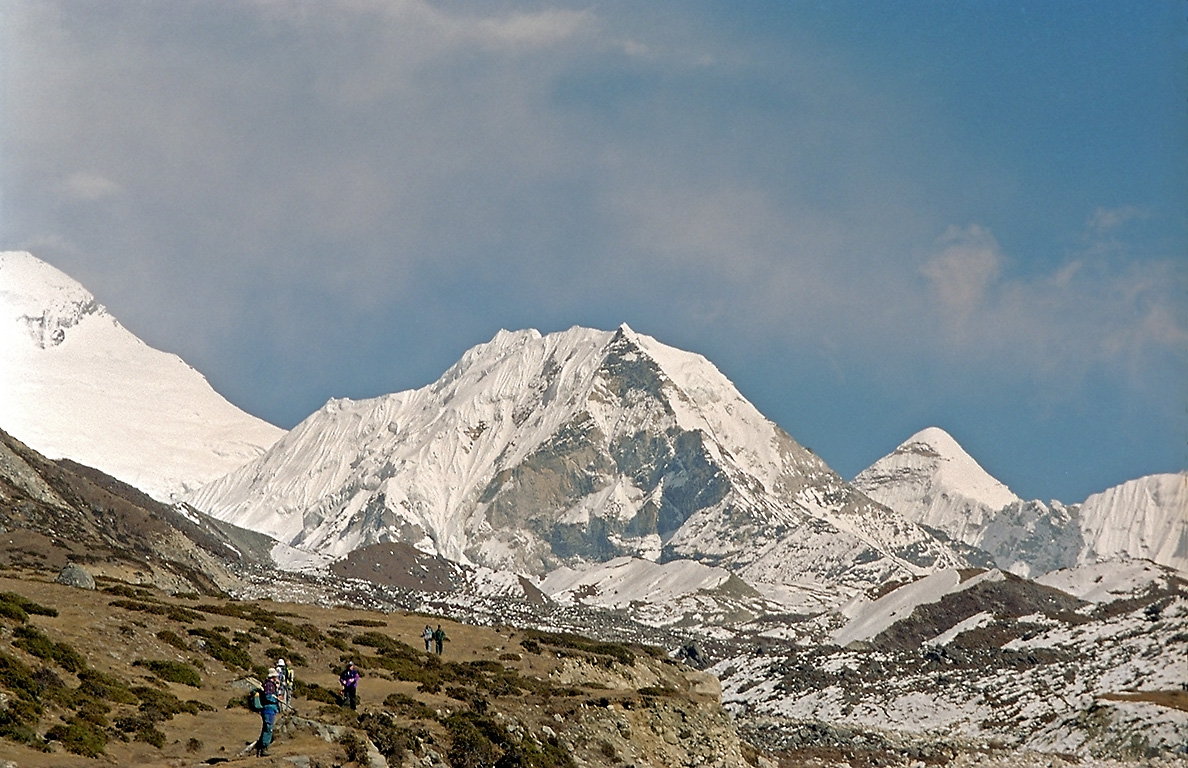
Island Peak, also known as Imje Tse, is one of the most popular mountains elevated at 6,189m. The name was given by the English mountaineer Eric Shipton in 1983 because he believed it was like an island in an ice sea if viewed from Dingboche. It is very easy to climb, even for the most inexperienced, and has hardly any technical aspects. Therefore, it is one of the most popular of the 6000m. Island Peak welcomes hundreds of climbing groups each year, luring them to its peak.
In 1953, Tenzing Norgay, Charles Wylie, Charles Evans and Alf Gregory climbed up to the top of Island Peak. Since then, hundreds of successful ascents have been made to Imja Tse. One of the most popular 7000m summits for climbers in search of that feeling of satisfaction and achievement, Island Peak is somewhat less challenging than other 7000m peaks, but still offers a lot of satisfaction and achievement for the climber once they have made it to the top.
The trip starts from the Lukla Airport. Spending a couple of nights in Namche Bazaar, the climbers gradually acclimatize before actually climbing Island Peak. Four to 5 days to get to the Base Camp of Island Peak. Here in the base camp, climbers have to familiarize themself with the climatic condition before actually pushing themselves to the summit. The start of the climb begins on a ridge, and the climbers climb up the ridge with the help of a rope and a foot traction device, also called a crampon.
The best season to hike up Island Peak (6,189 m)
The best season to climb Island Peak/Imja Tse is during the Autumn and Spring Seasons that fall in the months of September to November and March to May, respectively. Such seasons are good for climbers because the routes are clear and undisturbed, and views are clear and transparent, giving the “real feel” of the beauty of nature.
Legend Adventures strives to fulfill your dreams of high-altitude trekking and mountaineering and is dedicated to providing the best service with a high level of safety without compromising on your comfort.
Preparation and Training
Muscle fitness training should start 2-3 months in advance and include cardiovascular endurance exercises (hiking, running, stair climbing with a loaded pack) for a long, cold summit night and leg and core strength (hiking down from the headwall with a heavy pack and glacier crossing) for the prolonged scramble and glacier crossing below the headwall.
Climbers who are otherwise trekking fit should be ready for the day of pre-climbing practice, which typically involves cramponing, jumaring on fixed rope and basic rope team movement, usually held at Base Camp or Chhukung. Previous exposure to altitudes above 4,000-5,000m is beneficial, as most of the acclimatization takes place during the trek up to the base of the mountain while you are climbing.
Gear and Equipment
For the ascent to the summit of Island Peak, a combination of mountaineering equipment and basic trekking equipment is needed.
-
Hiking boots and snow boots.
-
Shoelaces, ice axe, harness, ascender, and carabiners.
-
Helmet, headlamp, glacier glasses, and sunscreen.
-
Summit night: Down jacket and insulated layers.
-
High-quality sleeping bags for subzero conditions.Quality sleeping bags for subzero temps.
-
A base layer, fleece and waterproof outer shell.
-
Daypack and trekking poles
-
Personal First Aid Kit including any prescribed medication.
-
Rope, route and headwall preparation (arranged by the team)
-
Camping and Base Camp equipment (tents, kitchen equipment)
-
Travel insurance and high altitude rescue insurance.
Safety and Support
The most serious risks at Island Peak are crevasse fields on the glacier en route to Base Camp, the exposed icy headwall just below the summit and the possible formation of a 'bottleneck' on the fixed ropes when two or more teams are pushing for the summit on the same night. A good expedition maintains a low climber-to-guide ratio on summit day, usually starting early in the Alps, around midnight, to avoid the congestion on the rope and make it to the summit before winds kick in.
Guides carry crevasse rescue gear when traversing the glacier, and monitor the use of ropes on the headwall, for safety in ascending/descending the slope. Island Peak sits in the established regions of Khumbu trekking infrastructure and in the event of an emergency or evacuation, a helicopter can be accessed from Chhukung or Pheriche, or other accessible areas on the trek. The approach is planned to acclimatize the climbers at all the necessary stages with rest days at Namche Bazaar and Dingboche/Chhukung.