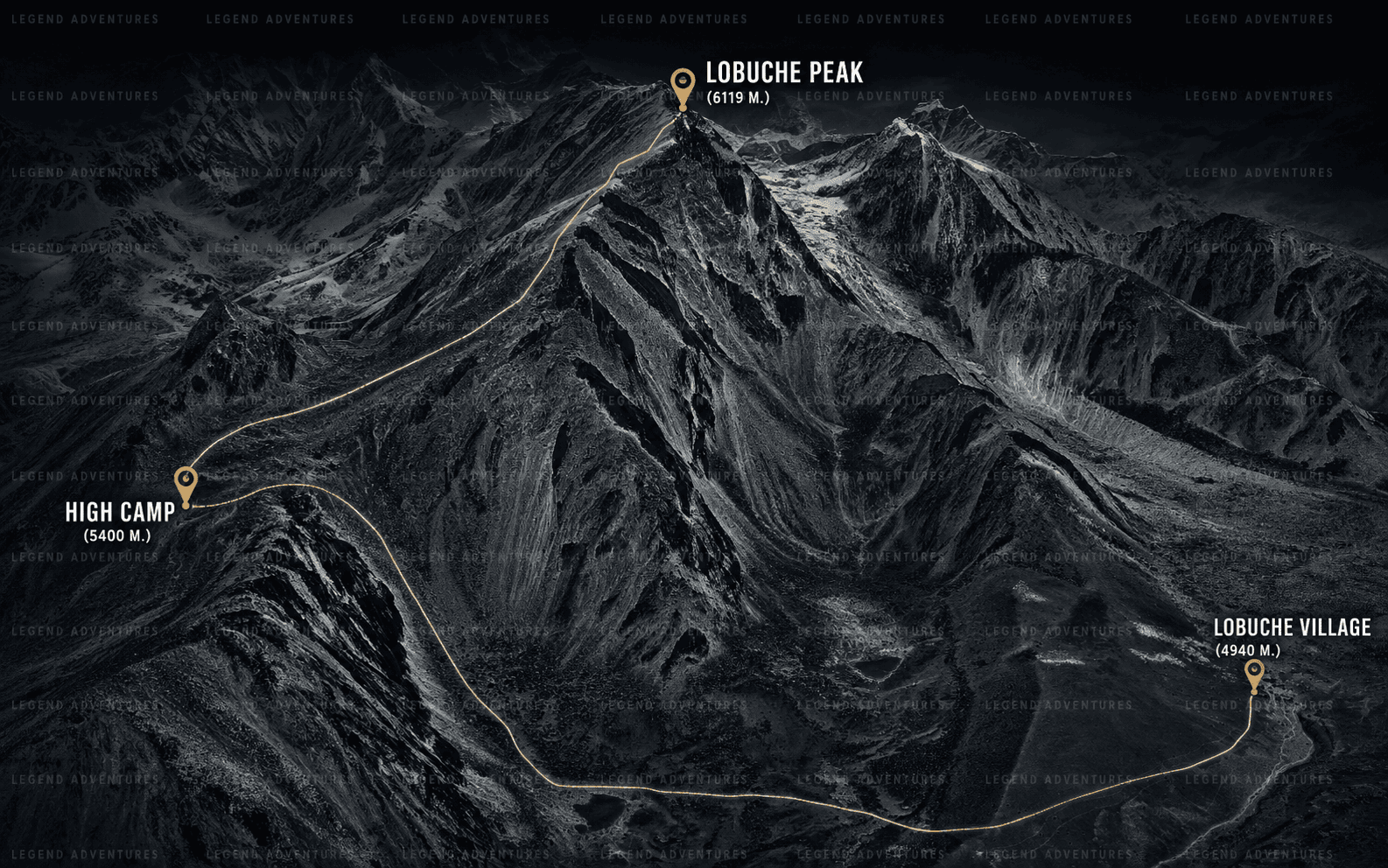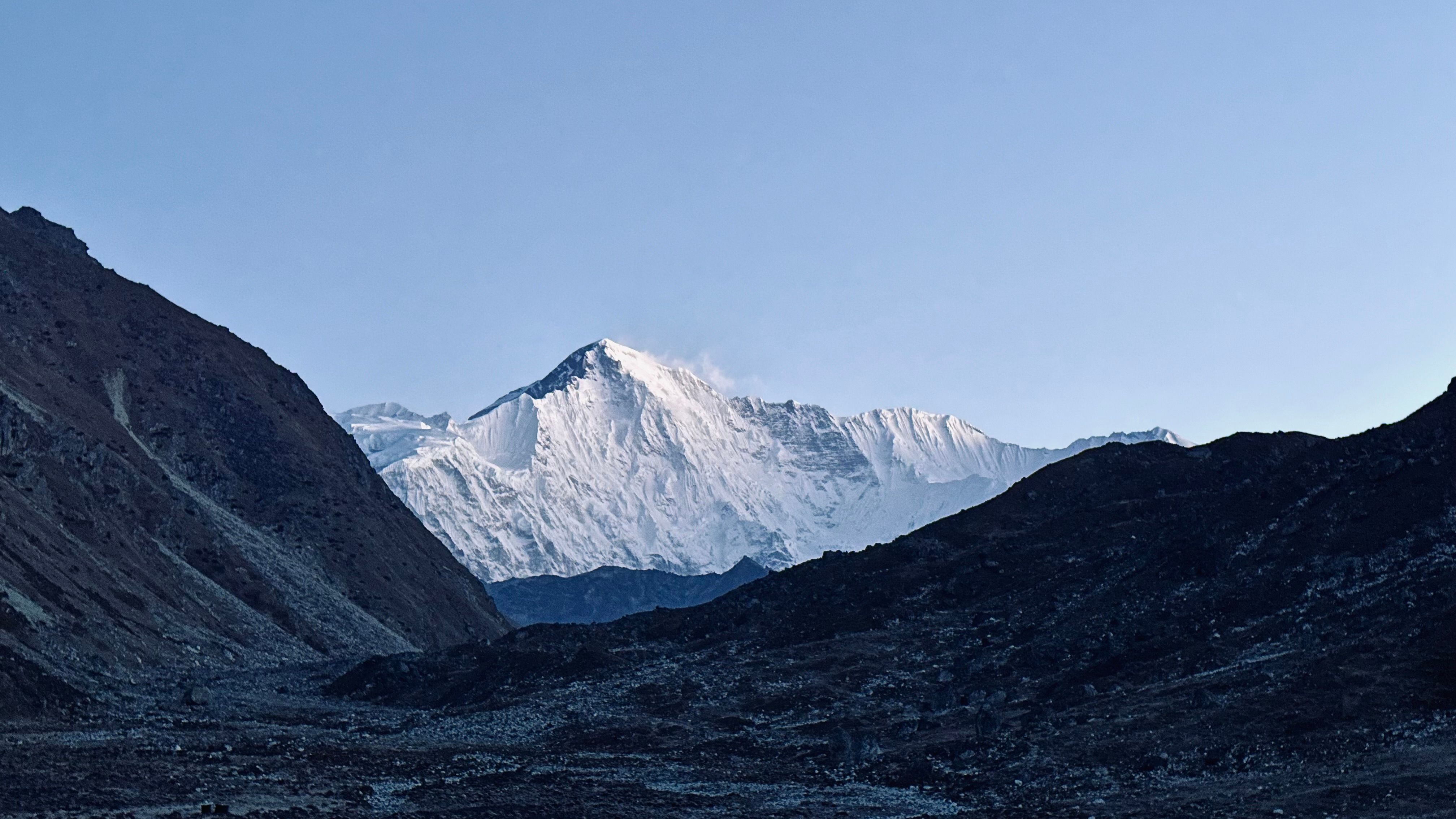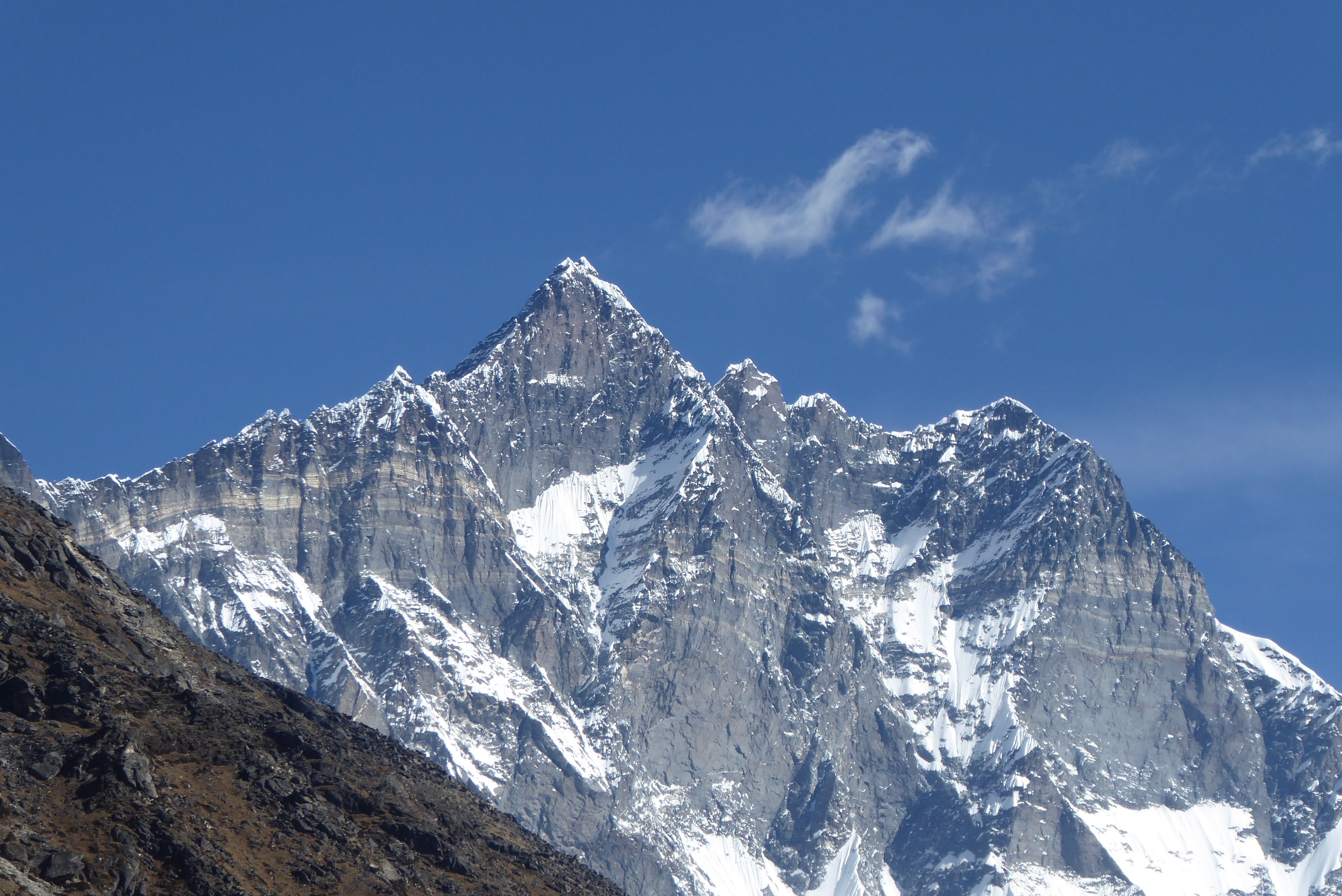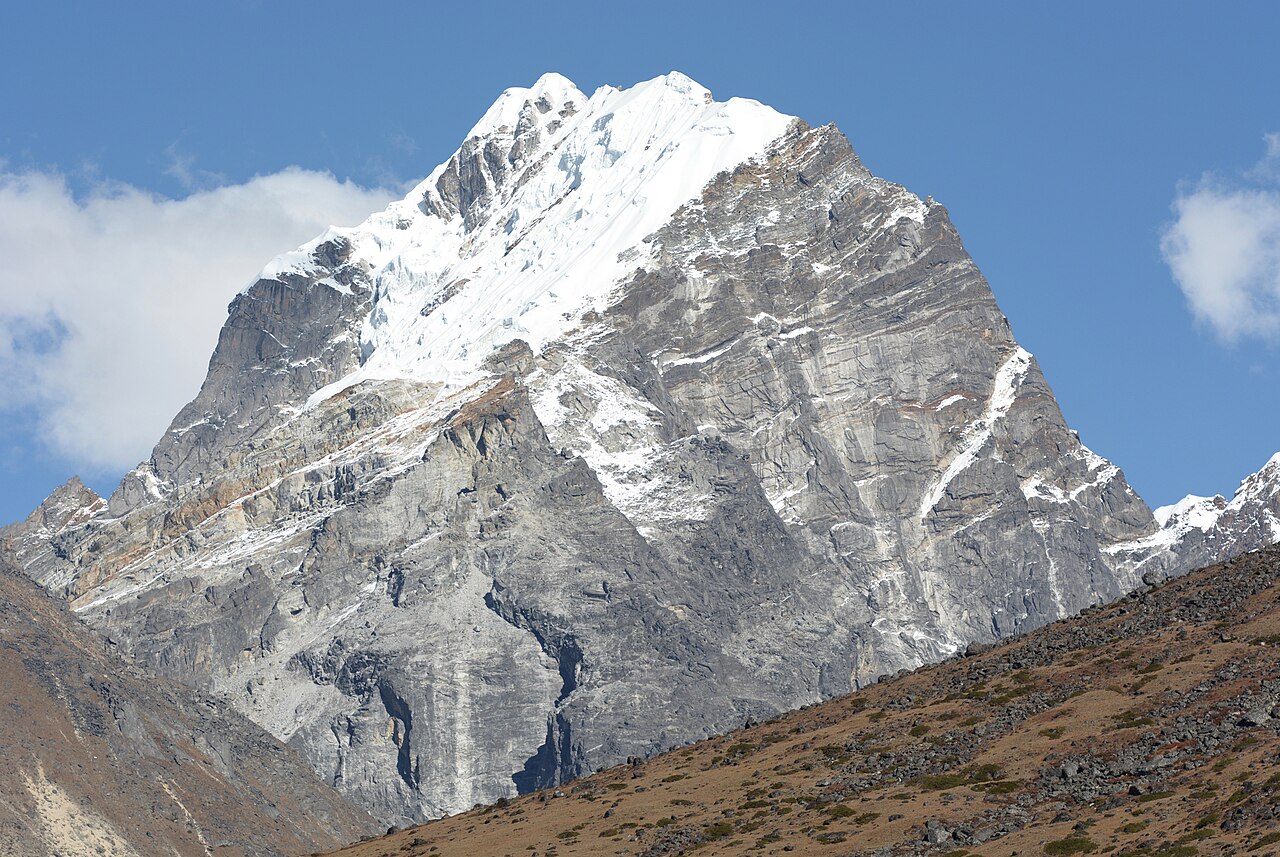
The most popular 6000m climbs that are ideal for aspirant climbers are climbing Lobuche East (6119m) Peak in 2026. Laurence Nielson and Ang Gyalzen Sherpa were the first to make an ascent to this wonderful peak on April 25th, 1984. It has since become a favorite for all those who want to climb the 8000 m peaks, providing them with a good chance to acclimatize and also good practice with gear and equipment in the ice, snow, and rocks. In addition, adventurous people pick this peak to achieve their dreams of adventure and mountaineering.
The big attraction of the climb to Lobuche East (6119 m) Peak in 2026 is that it is an introduction to Himalayan climbing, a climb that is achievable in a comparatively shorter time frame. Located at Lobuche East (6119 m) Peak, this expedition is medium level in terms of difficulty and has fewer technical challenges, so it is ideal for those who are in good physical condition and have experience of high altitude trekking. The Lobuche East Peak is more popular than Lobuche West Peak and has a long, deep-notched ridge from which it is separated.
Best season to climb Lobuche East Peak
The best period for the climb to Lobuche Mountain East (6119 m) Peak is from March to May, during which the winds are not as strong, the days are sunny with mild temperatures, the trail is beautiful with dense green forests, raging rivers and streams, the soothing sounds of birds and animals, and beautiful uninterrupted views of the grand massifs while you are on the trail. Glacial lakes are turquoise and the lakes are crystal clear. It's a more beautiful season of the year.
Therefore, we recommend you travel in Spring/Autumn to get the best experience.
Preparation and Training
Lobuche East is the PD+ alpine grade version, located just to the southwest of Everest Base Camp and a grade up from Island Peak and a great choice for climbers looking for a real technical challenge before tackling higher peaks. It involves glacier travel, fixed-rope climbing and a steep summit ridge with sections of 45-60° and some exposed traversing towards the top – no previous certification is required but some comfort with sustained effort at altitude, and willingness to learn technical skills rapidly, is required. Full crampon, ice axe and Jumar training is usually provided at Base camp or High camp before the summit push.
Training should start 4-6 months before and gradually reduce during the last week before the trip, and should include both cardiovascular fitness (hiking, running, cycling) and leg and core strength (squats, lunges, etc.) – summit day is a long and physically demanding day at altitude, no matter how technically challenging. It helps if climbers have some experience of trekking above 4,500- 5,000 m before undertaking the trek to Lobuche East, and previous experience of a trek peak like Island Peak will help them with the technical ascent of Lobuche East.
Gear and Equipment
The steep snow, ice and mixed terrain near the summit of Lobuche East requires a true mountaineering set-up.
-
Two pairs of climbing boots that are insulated and compatible with crampons and two pairs of trekking boots that are insulated.
-
Crampons, Ice Axe, Harness, Ascender, Carabiners
-
Helmet, headlamp, glacier glasses and sunscreen.
-
Insulated layers for High Camp and summit night, including down jacket.Down jacket and insulated layers for High Camp and summit night.
-
The sleeping bag is rated for sub-zero temperatures.
-
Base layers, fleece and waterproof outer shell
-
It is important to keep a daypack and trekking poles.
-
Personal first aid kit and prescribed medicines (if any)
-
Guide preparation of ropes on the upper mountain (by the team)
-
Camping equipment and Base Camp/High Camp equipment (tents, kitchen equipment)
-
Insurance for travel and high altitude rescue (evacuation to at least 6,200m)
Safety and Support
The primary hazards at Lobuche East are steep, exposed snow and ice near the summit ridge, glacier travel with some crevasse hazard lower on the route, and the cold and unpredictable weather of the Khumbu region, which can lead to a rapid increase in exposure risk. A good expedition maintains a low ratio of climbers to guides, experienced Sherpas who give technical training at Base Camp or High Camp, or manage rope fixing through the tougher areas during the push to the summit.
As altitude increases above 5800m, the risk of becoming altitude sick becomes more and more critical, even if you're a fit person, even if you're not a fit person, so strict adherence to a staged acclimatization plan, usually involving rest days at Lobuche village and Everest Base Camp prior to the final push to the summit, is of paramount importance for a safe summit attempt. A buffer day is typically included in the itinerary in case of unforeseen delays due to weather. It is relatively easy to evacuate from here as Lobuche East is in the popular Everest Base Camp trekking route, and can be reached by helicopter from nearby locations if necessary.
It is led by our experienced technical Sherpa climbing team with their expertise and their intimate knowledge of the route on the Southeast Ridge of Lobuche East, making this one of the most rewarding technical trekking peaks in the Khumbu with views of Lobuche East that are as good as any in the region.