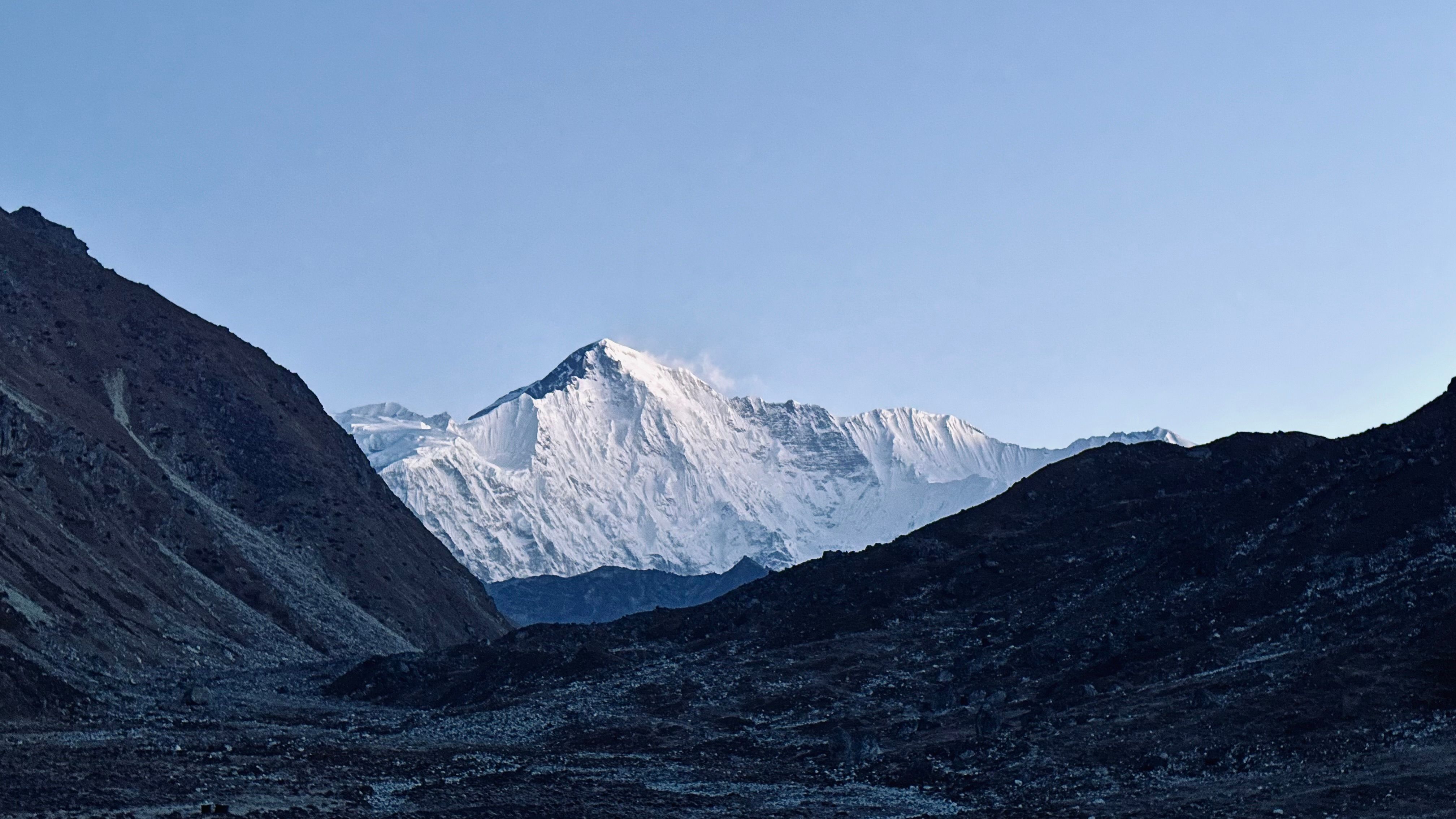
The Makalu Base Camp Trek is a beautiful path in the Himalayan region, located in a beautiful place that is in the remote Northeast of Sankhuwasabha District between the Everest and Tibet areas on the east via the blazing Arun River and on the south via the Sabha River.
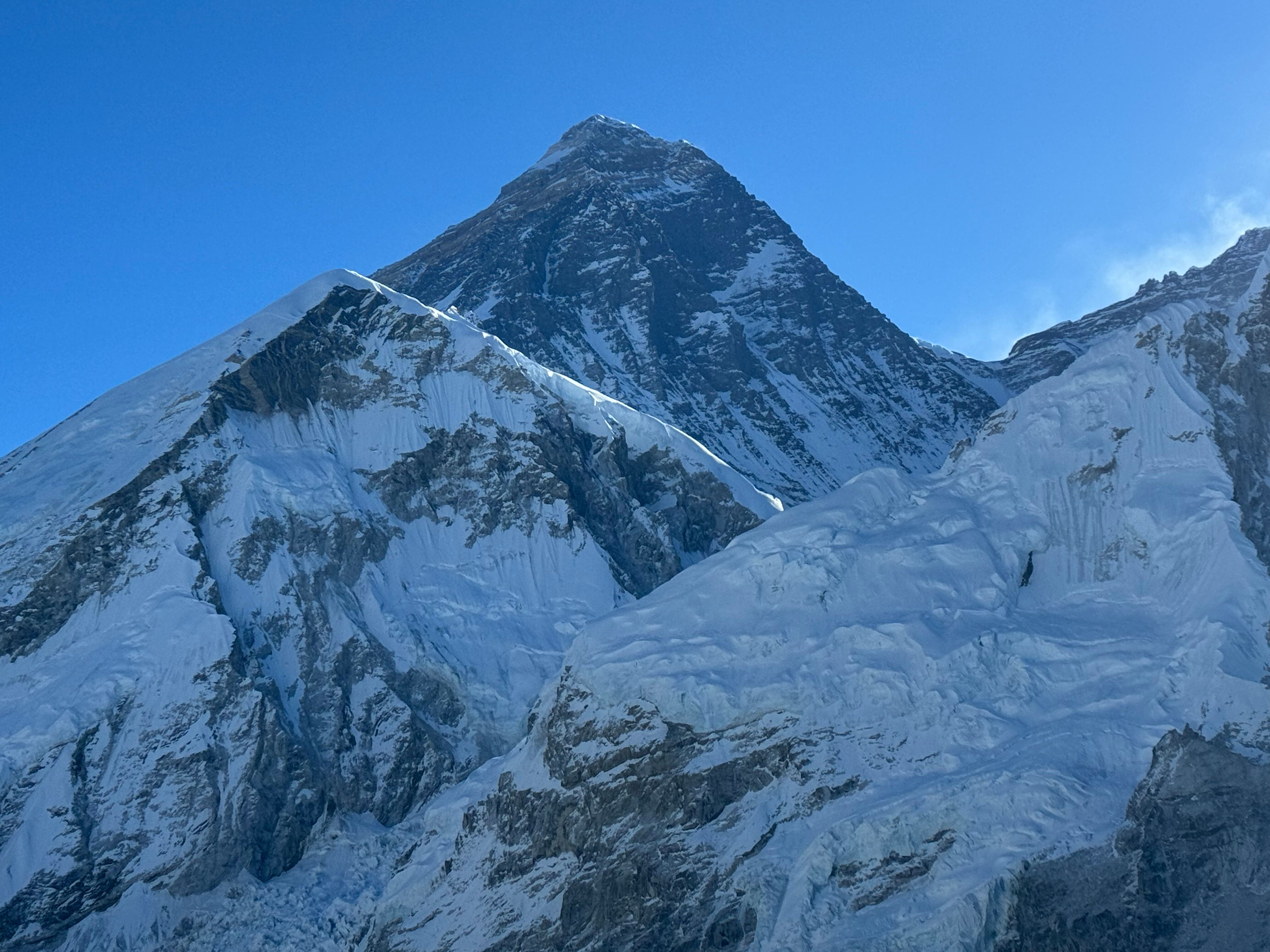
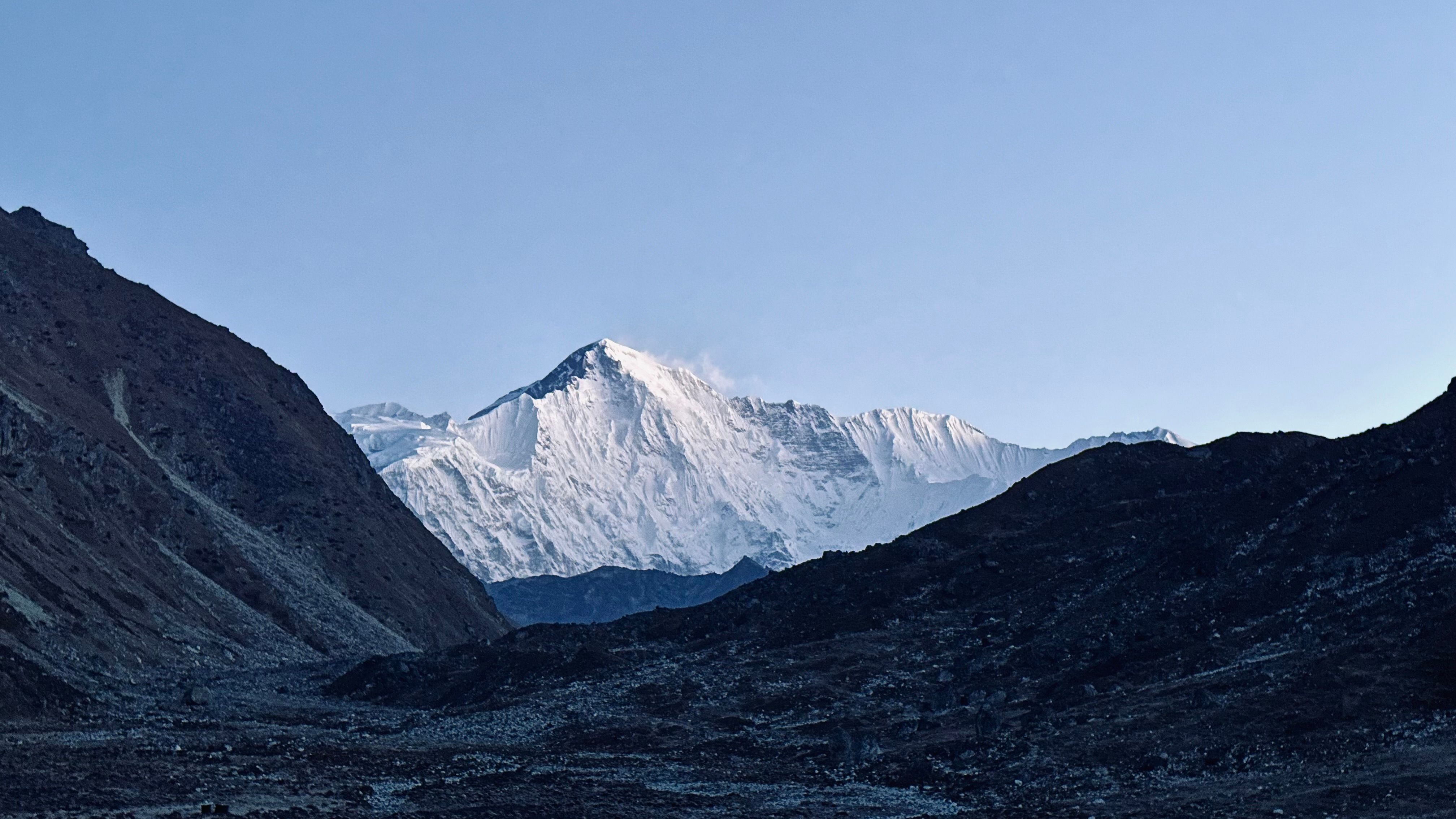
The Makalu Base Camp trekking area was turned into a conservation area. It was named Barun National Park and Conservation Area. This area also gives one of the sights of the 5th highest peak in the world, Mt. Makalu itself, and also with this, it also provides some of the magnificent sights of Mt. Chamlang (7319 m) and Mt. Baruntse (7129 m).
Best Season to go on Makalu Base Camp Trek
The best season for the best experience is pre-monsoon (March to June) and post-monsoon (September to November), when the weather is mild, the sky is clear, and you can enjoy the best views of natural landscapes.
Preparation and Training
Makalu Base Camp is much quieter compared to Everest or Annapurna, and when you get out there, you really get the why of it: it's harder, it's more out-of-the-way, and quite plainly, it's just more demanding than those two. Almost all guides say it is just one level higher in difficulty than EBC or the Annapurna Circuit, mainly because of the steepness, remoteness, and roughness of the trails, and you will almost surely hit the 5,000m altitude mark at some point, given the route you choose. Be ready for 14 - 21 days, given your itinerary. The trek will consist of climbing several high passes, which include Shipton La, Keke La, and a ridge near Lanfmale Kharka, before you arrive at the base camp. This trek route has quite a mix of going up and down, and a few of the days will be just going up on stone staircases, and those few days are really tiring, the extent of which is hard to predict, and that is something which catches many people by surprise. You need at least a three-month break to prepare before this trip, and even more if you can spare it. You want to build strong legs and good endurance: hike for a long time, do some stairs, run, whatever gets you accustomed to moving for long periods of time while facing one climb after another. Since the availability of help and facilities outside here is not as good as on other major treks, an accurate personal assessment of your health and fitness is more critical for a successful trek on this one.
Gear and Equipment
-
Broken-in hiking boots for stone staircases and rough, uneven trails.
-
Down jacket for high passes and Base Camp.
-
Base layers, fleece, and a waterproof and windproof shell for changing weather.
-
Trekking poles for steep and stair-heavy sections.
-
Warm hat, gloves, and sunglasses for crossing passes.
-
Headlamp for early starts and long pass-crossing days.
-
Sleeping bag rated well below freezing, as teahouses along this route offer basic facilities.
-
Daypack for water, snacks, and extra layers.
-
First-aid kit and any regular medication, as supplies are limited in remote areas.
-
Water purification tablets or a water filter.
-
Sunscreen and lip balm.
-
Travel insurance with trekking coverage and helicopter evacuation. Check the policy details before your trek.
Safety and Support
Actually, it's the remoteness and not the altitude the safety issue that sets this expedition apart. But, it is a good combination of the altitude being quite high, the pass traverses difficult terrain, remoteness, and very basic facilities. Shipton La and Keke La are often snow-covered passes whose crossings become extremely challenging and weather-dependent, if not impossible. Timing is critical on pass days. Since there are far fewer teahouses and places to get supplies than in Everest or Annapurna, bringing some buffer supplies and telling your guide truthfully about that you feel matters more here than with other routes. Headache, nausea, or unusual fatigue are some signs that you should pay attention to. Informing the guide earlier is a better option since descending or resting a day later is difficult to implement if not already. This hike really demands endurance and patience.
It is designed with acclimatization, but only if the pace is kept in check, with nobody pushing the group to keep a schedule. With their thorough knowledge of Barun Valley and its passes, the guides also know when the best time is to cross Shipton La, where the weather changes are most frequent, and they can move even the smallest group through one of the less frequented remote areas of the Himalaya without losing its pace and direction.