The Physical Terrain of the Makalu Region
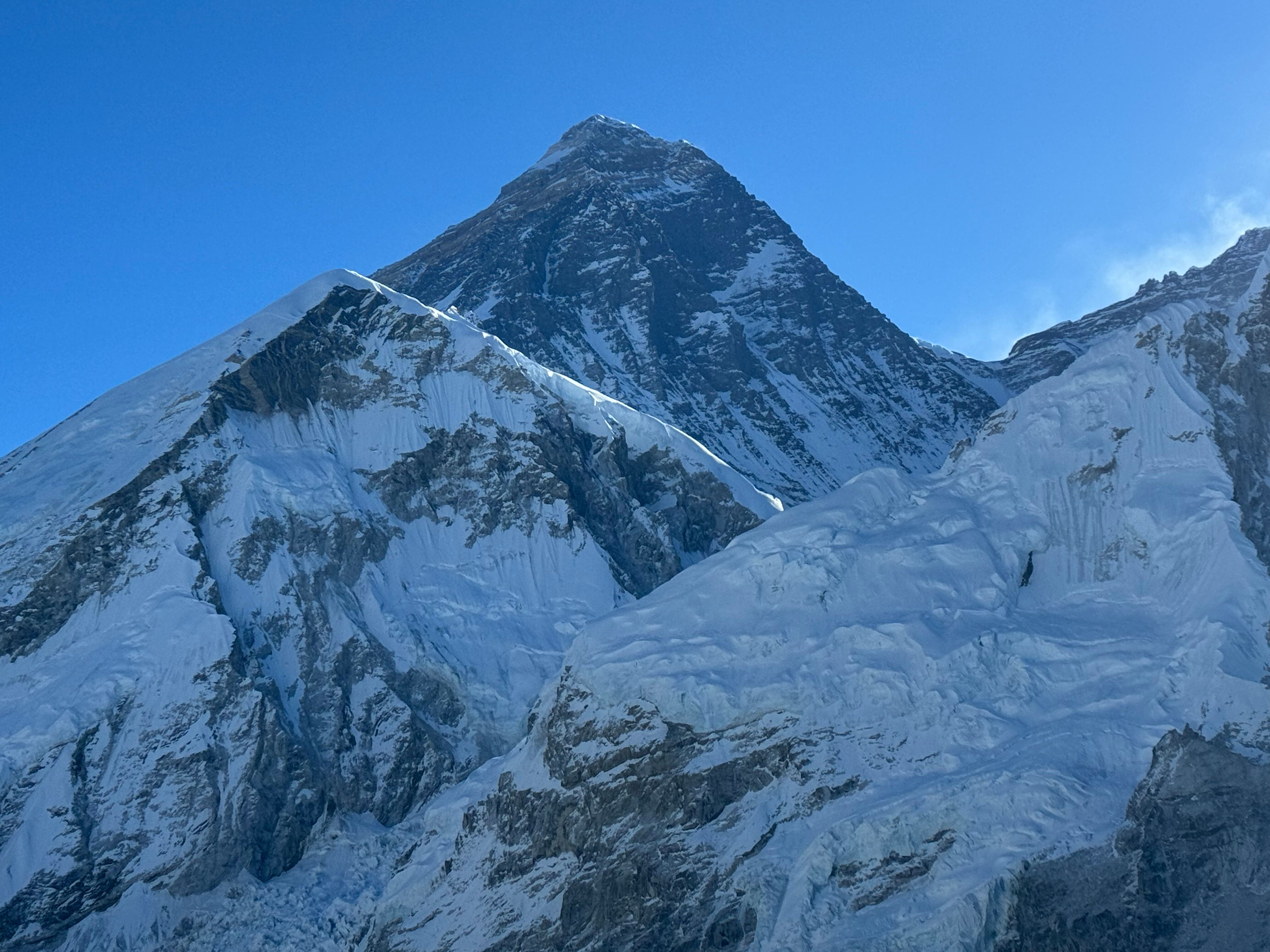
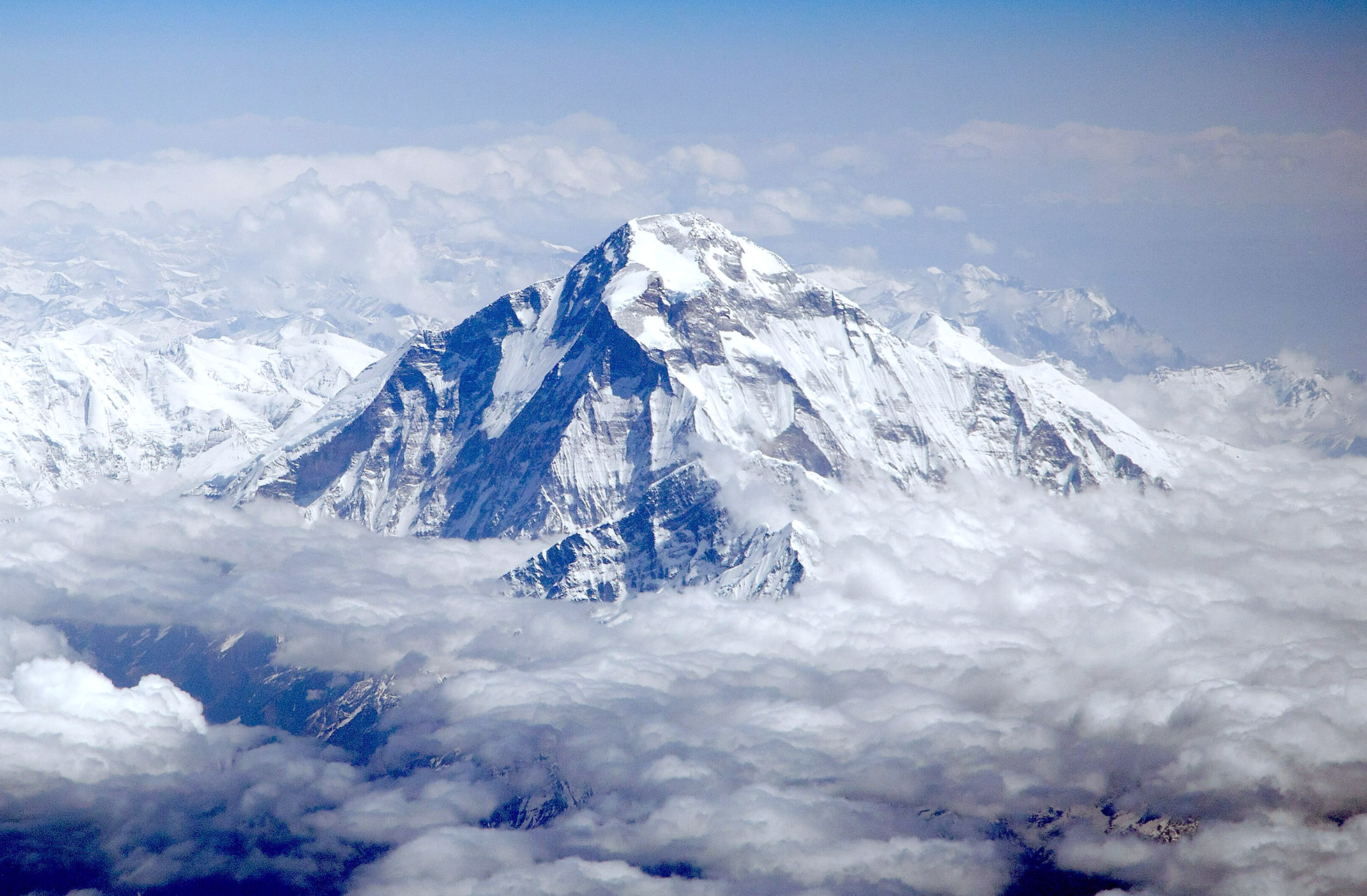
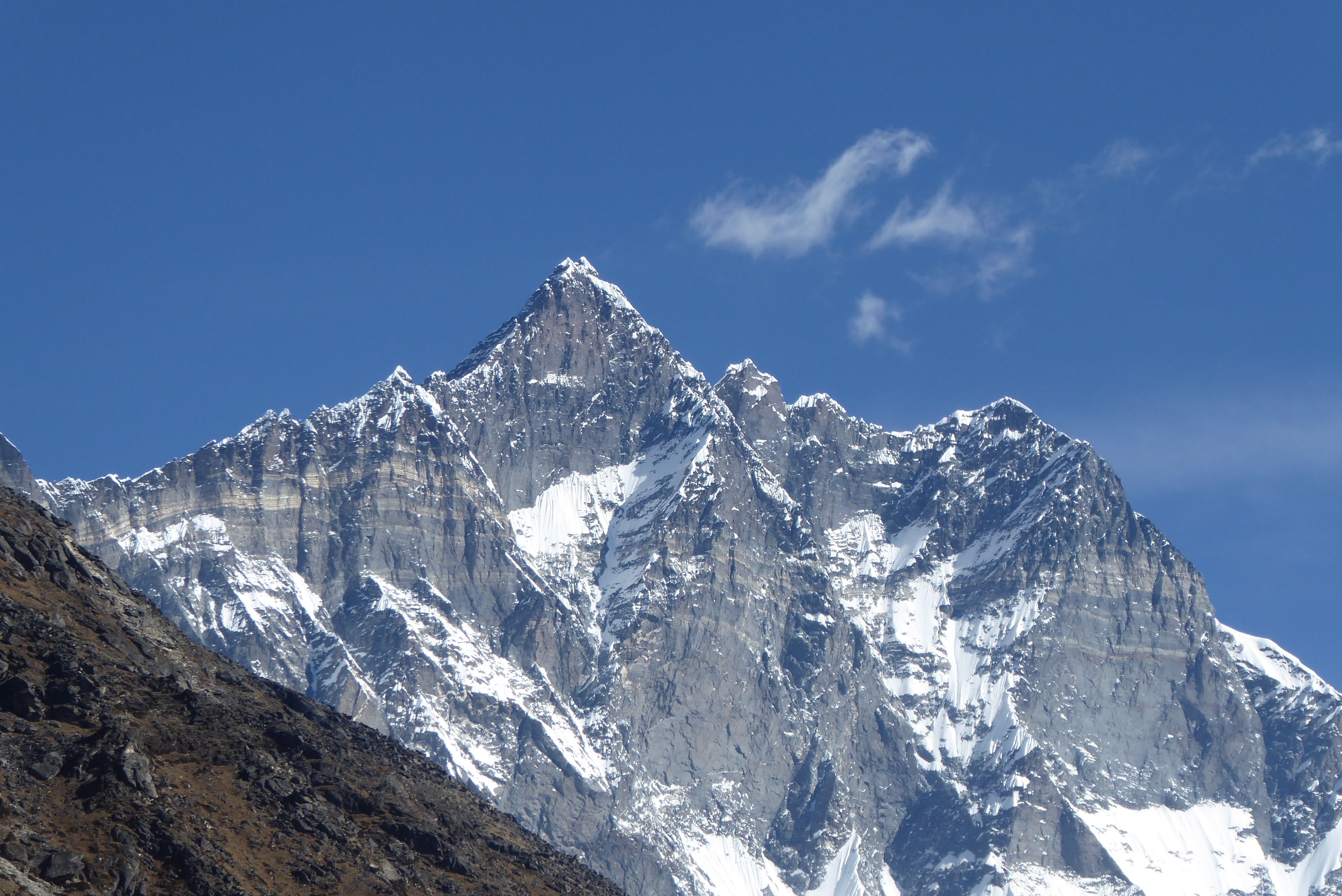
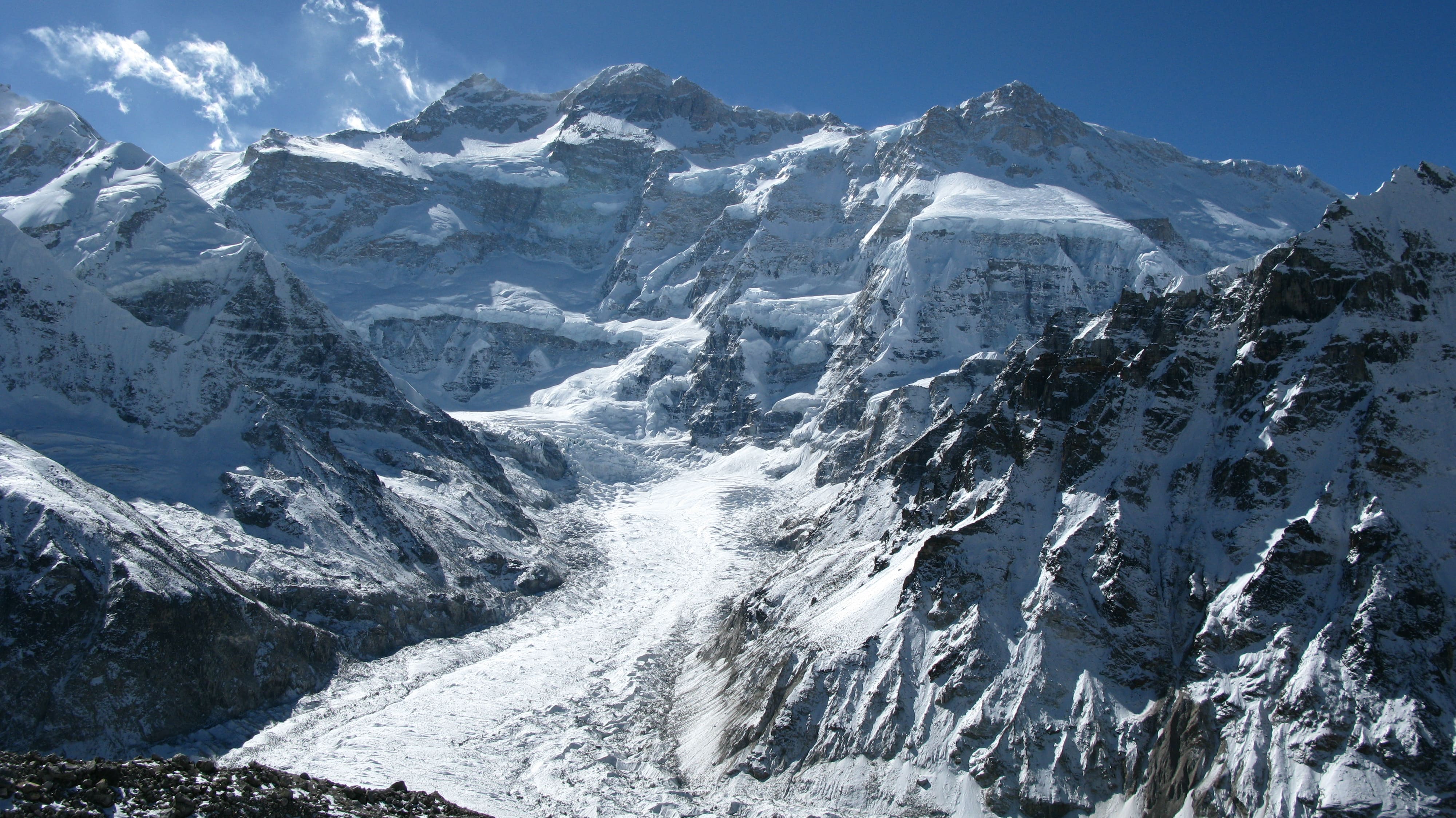
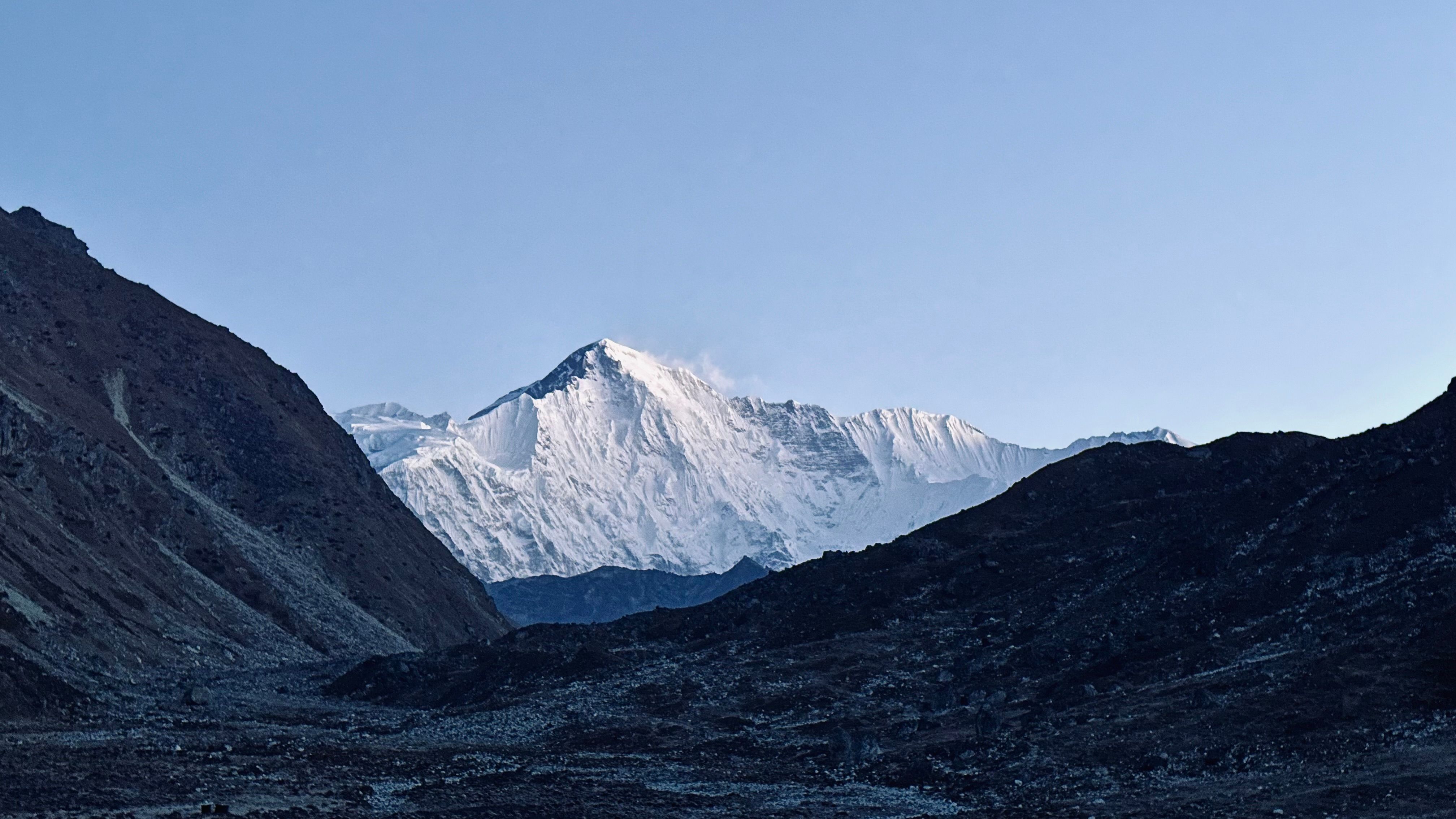
Mt Makalu, the fifth highest mountain in the world is a must summit peak for all mountaineering enthusiasts. The expedition to this pyramid shaped peak starts in the Arun valley and traverses through dense forests in the sub-tropical ecosystem, alpine terrain gradually leading to the remote and isolated glaciers in the Barun Valley.
The journey requires trekking through the Makalu-Barun National Park, home to diverse ecosystem as well as an ecological variation. It is rich in natural diversities like river valleys, alpine tundra along with permanent snow and icy structures. The region is home to rare wildlife and vegetation. The accessibility is limited, therefore, all logistics, gears and equipment must be planned with caution to avoid any inconvenience in the high mountains.
The Culture and traditions of the Arun and Barun Valleys
Climbers get to experience the culture and traditions of Rai, Sherpa, Tibetan, and other ethnic Himalayan communities. The villages follow traditional mountain lifestyles, simple living, and agricultural practices, with historic trade routes still dominant along the way. The tourism industry is seasonal, yet warm and filled with hospitality.
Tourism and local culture are not the only importance associated with this expedition. The local porters, base camp cooks, guides and transport teams are essential members of this expedition contributing in valuable ways than we think. The hospitality of the local villagers are warm and welcoming making this journey even memorable.
The Expedition: Makalu Summit via the Northeast Ridge
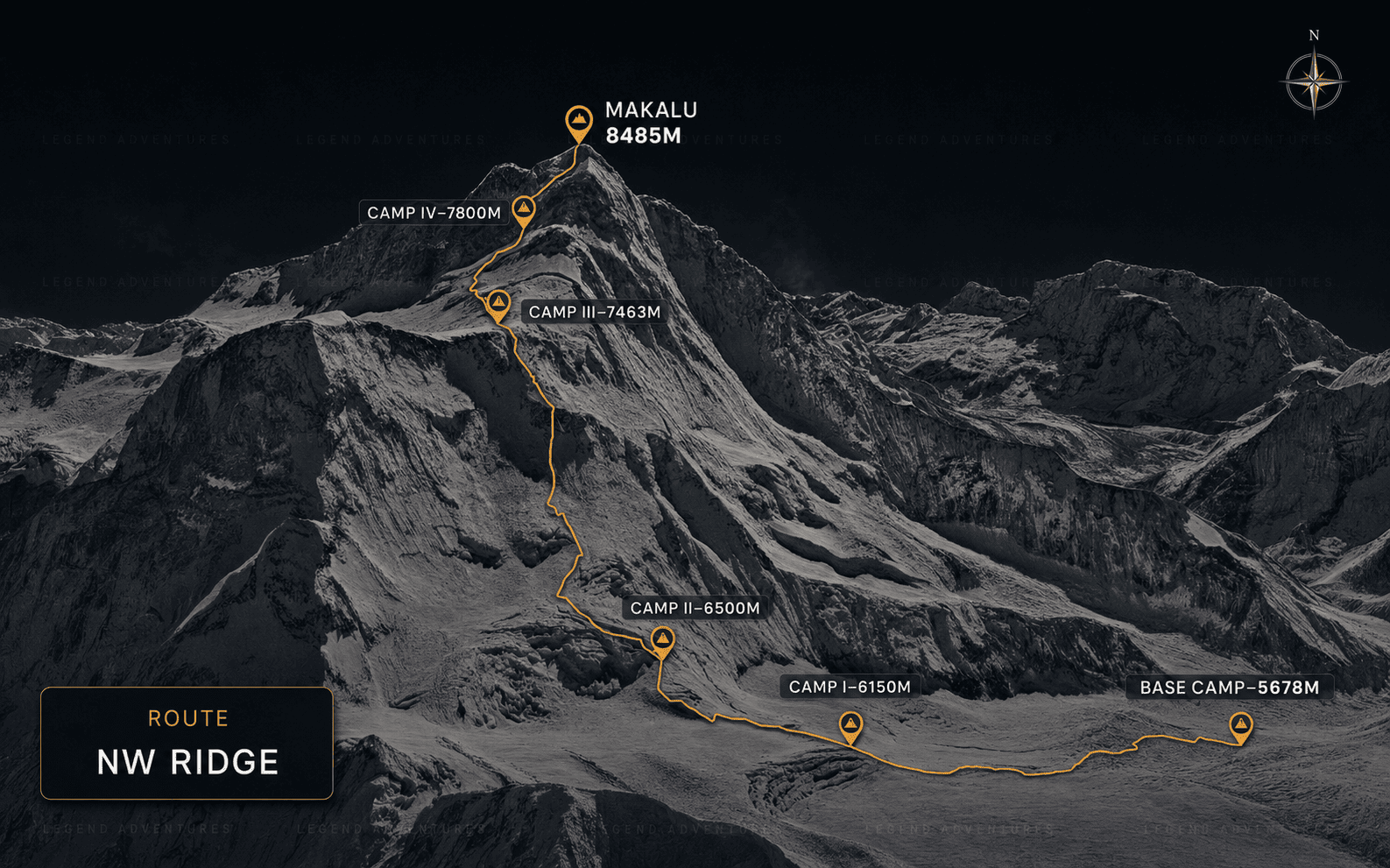
Makalu is a steep, four-sided pyramid with sharp ridges and a summit that remains technically challenging even after acclimatisation. The standard route for Makalu expedition is set from the North Face and Northeast Ridge on the Nepal side.
The journey from the base camp to Camp 1 takes us through glacial terrain and continues on a steep climb over snow and hard ice to Camp 2. Camp 3 and 4 are set up over 7000 m at favorable spots. The summit push requires exposed, technical climbing at high altitude, demanding careful handling of equipment and energy when fatigue is at its greatest.
Makalu Expedition requires sustained effort over many days. Repeated carries, cold nights, unstable weather, and limited recovery gradually reduce strength. Climbers must retain the judgment and energy needed for a safe descent through all camps. Experience, determination, and endurance are key skills that we need to hold on to for a successful summit, especially on a technical 8000er like Mt. Makalu.
Best Season for the Makalu Expedition
The pre-monsoon window in the spring season is highly preferred for Makalu expedition allowing favorable weather conditions, clearer, long and warm days. The departure is set for April attempting for summit push in May.
Visa Requirements
Most eligible nationalities can apply for a Nepal tourist visa on arrival at the airport itself. For a 50-day stay for the Makalu expedition, a 90-day visa is recommended. A long-term VISA covers for any delays caused by unfavorable weather during the expedition.
Insurance Requirements
All climbers must have insurance that specifically covers technical mountaineering above 8,000 metres. The policy should include helicopter evacuation, hospital treatment, deposit guarantees in Kathmandu, repatriation, and coverage for trip cancellation or interruption. Insurance does not guarantee helicopter access or safe flying conditions but it is mandatory before applying for the permit itself.
Fitness, Technical and Experience Standards
-
A successful summit above 7,000 metres is the minimum entry standard. Previous 8,000-metre experience is strongly preferred.
-
Climbers must be efficient with automatic crampons, front-pointing, fixed-line ascent, Jumar transitions, rappelling and anchor changeovers.
-
Independent use of supplemental-oxygen masks, regulators and cylinders is mandatory before the summit push.
-
Members must be capable of carrying approximately 10–12 kg at altitude while managing clothing, hydration, food and personal equipment.
-
Acceptance is based on a review of climbing experience, medical screening, guide references if applicable, and a practical technical assessment.
Environmental Conduct
Legend Adventures enforces a strict carry-in, carry-out policy. All non-biodegradable waste, including oxygen cylinders and equipment, is removed from the mountain. Human waste is managed using approved systems. Dumping or leaving materials at high camps is strictly prohibited.
Gear List Suggestions
-
8,000-metre down suit with a verified cold-weather layering system and three-layer waterproof shell.
-
Triple mountaineering boots suitable for approximately -40°C, with tested liners and expedition socks.
-
Category 4 glacier glasses, storm goggles and spare eye protection.
-
Automatic crampons, low-profile harness, helmet, alpine axe, Jumar, descender and fixed-line safety system.
-
A -40°C sleeping bag, insulated high-camp sleeping system and dual sleeping pads.
-
High-altitude mitts, spare gloves, face protection, expedition headlamps and backup batteries.
-
Cold-resistant power banks, personal communication equipment where required and all prescription medication.
Legend Adventures provides a comprehensive expedition checklist after booking. All essential items should be tested during training or a prior climb before arrival in Nepal.
Team Expertise at Legend Adventures
All 8000m expeditions with Legend Adventures is led by an IFMGA guide, supported by a fully qualified team of Sherpas including Base Camp manager, high altitude cooks, logistics staff, transportation and accommodation manager, 1:1 high-altitude Sherpa per climber and guides.
The service at base camp is on a full-board basis with a well-organized kitchen, dining and sleeping tents. Satellite communication, reliable weather forecasting, an emergency oxygen supply, standby medical equipment, and a well-planned evacuation plan are always ready in case of emergencies.
However, the successful summit is not always dependent on how experienced the climbers or the guides are; a suitable weather window is always necessary for the final push.
Important Expedition Note
Makalu is among the most technically demanding 8,000-meter peaks. The expedition uses the standard Nepal-side approach and Northeast Ridge route. The itinerary remains flexible to accommodate changes in weather, route conditions, health, or government directives.