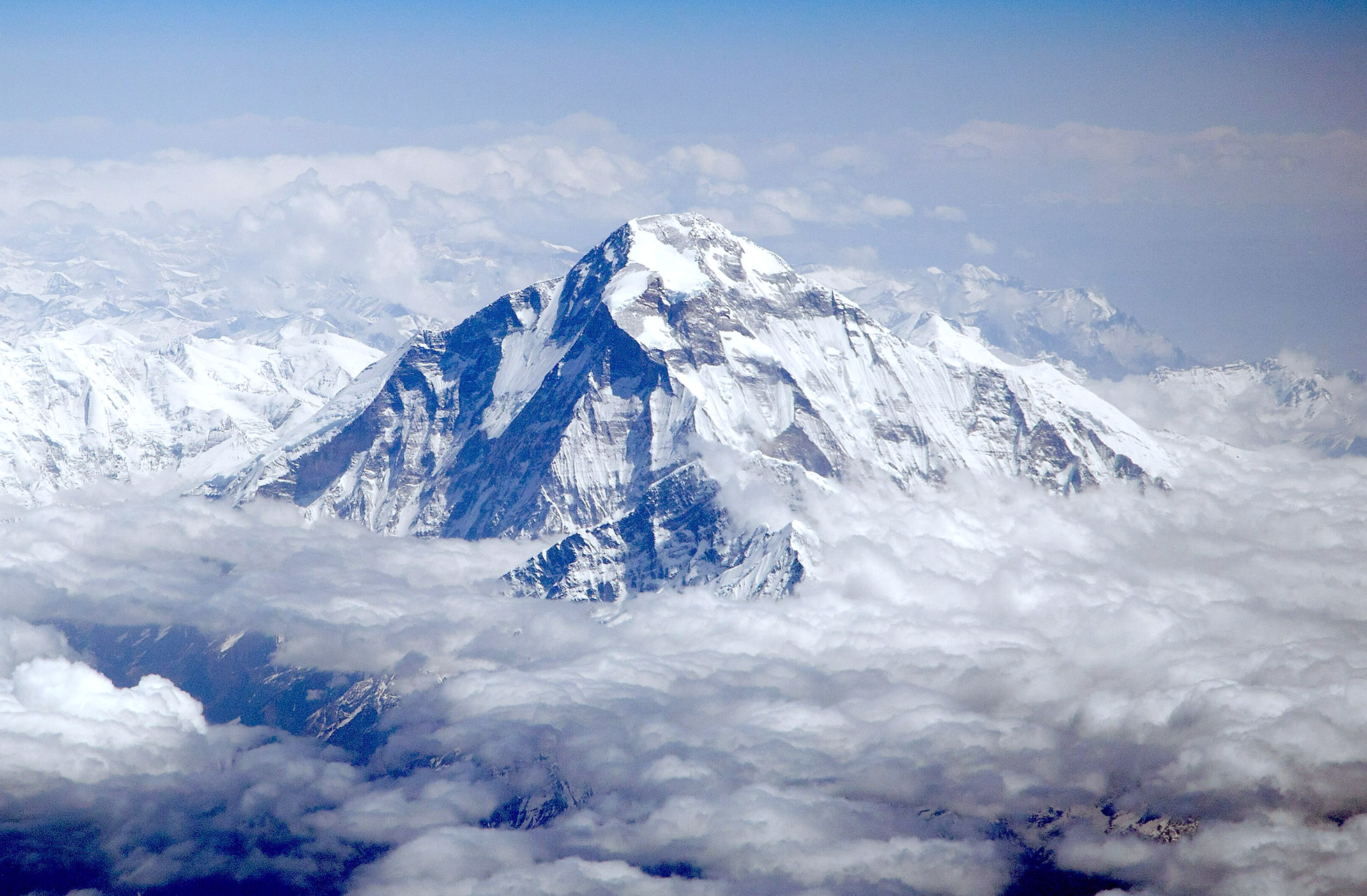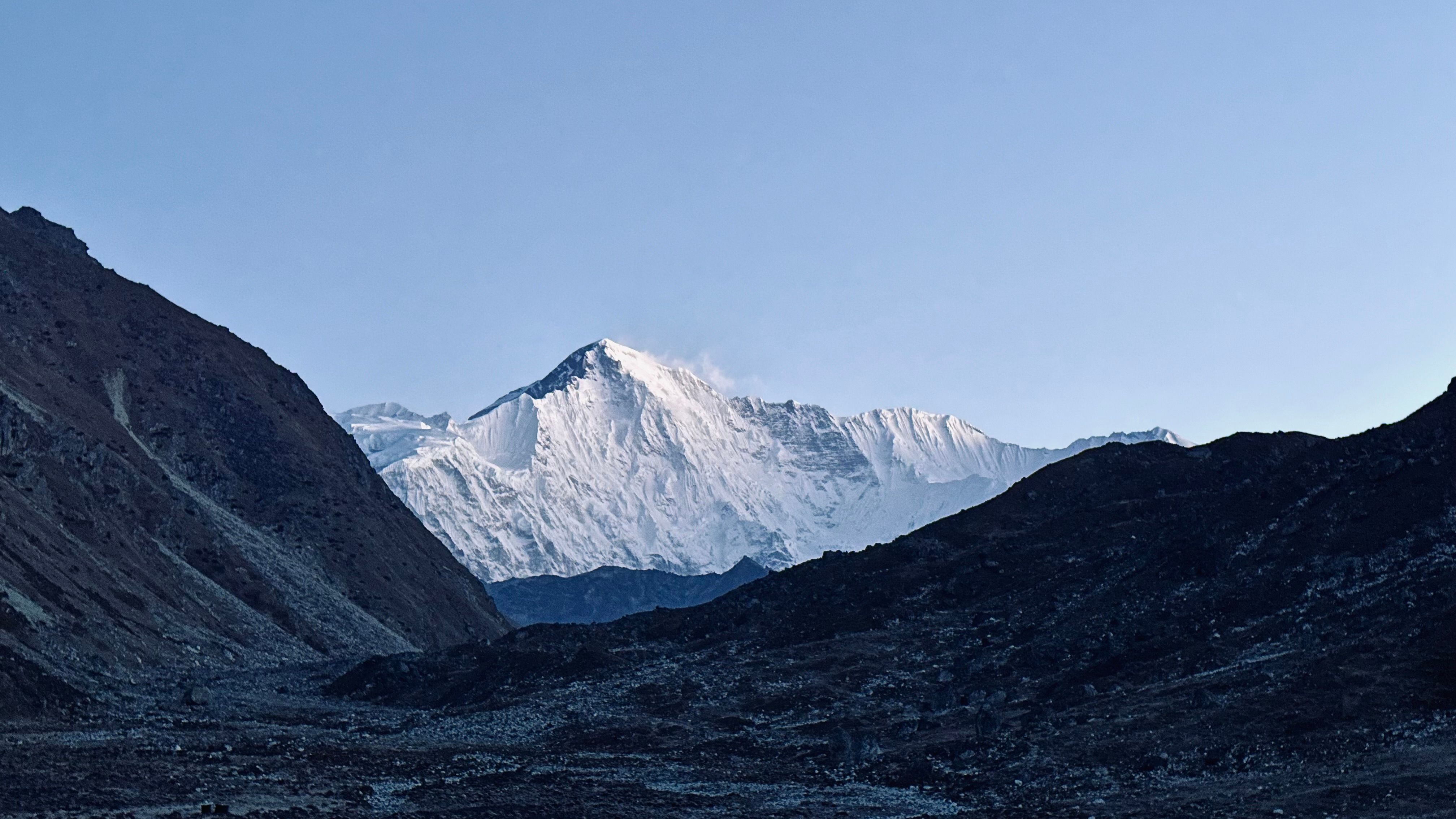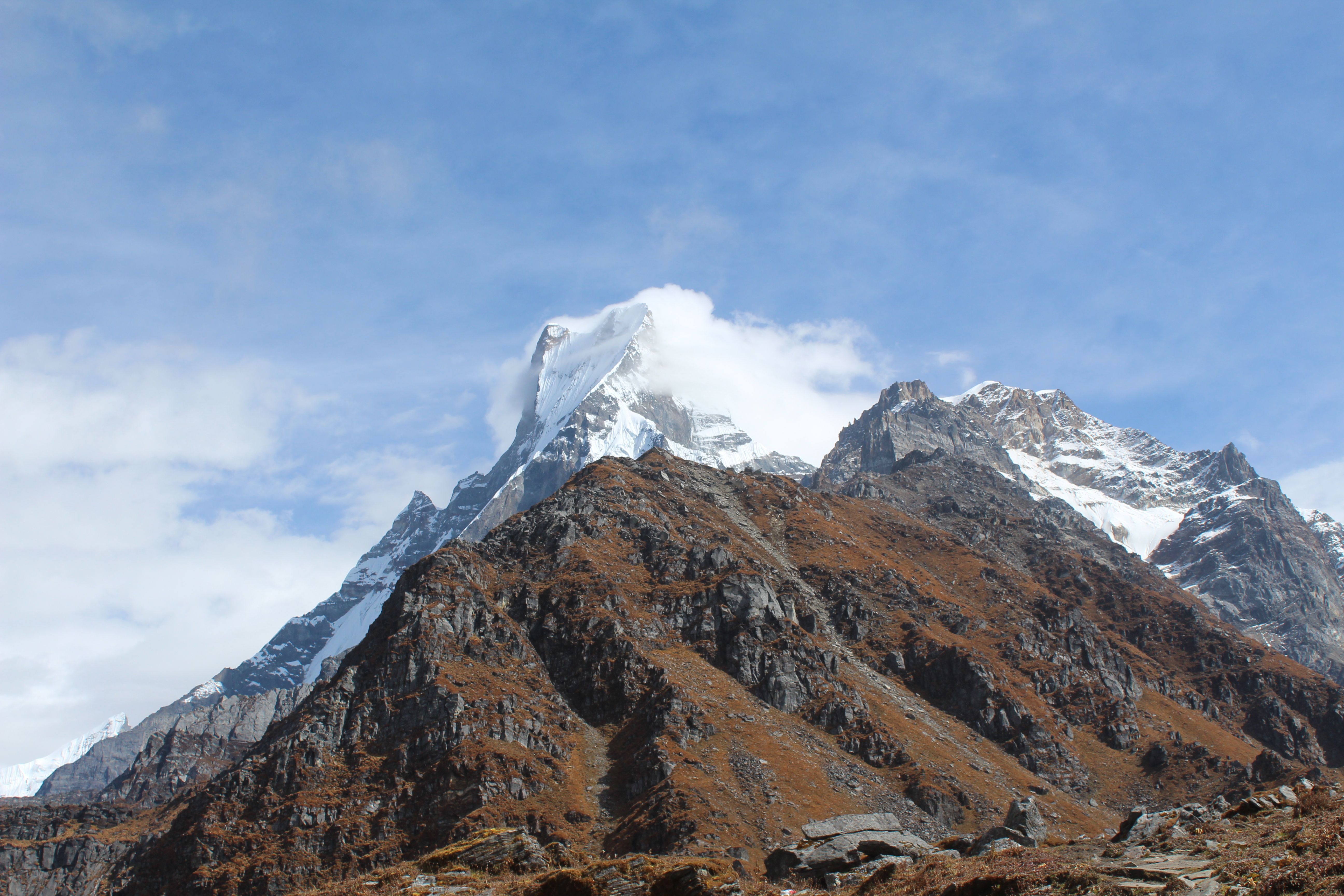
Mardi Himal itself is at 5,587m in the Annapurna region, behind the far more popular Machhapuchhre (Fishtail Mountain), which separates them by a high col and is behind the ridge, but for the majority of people, Mardi Himal is a different place entirely – the trekking route which opened in 2012 in this way, along the ridge toward the mountain, without demanding any technical climbing. Prior to this, this was primarily camping land for the expeditions, and nobody was looking at it, except that a crowd of people was going to Annapurna Base Camp.
The best period to hike to Mardi Himal in 10 days
The best seasons to go on 10 Days Mardi Himal Trek are Spring (April, May, June) and Autumn, which fall during the months of September, October, and November. The temperature is cold in winter, and much of the path is snow-covered, which may cause some walking problems. During the monsoon season, the rivers are prone to flooding, and landslides are likely to occur. However, the aftermath of the rain is breathtaking and enchanting.
Thus, in the case of having limited time and money, but still wanting to visit the pristine regions surrounding the Himalayas, the Mardi Himal Trek is perfect for you. Come and let us plan a wonderful adventure for you, an adventure that is exciting, thrilling, and great.
Preparation and Training
Mardi Himal is considered easy to moderate, in between short walks such as Poon Hill or short hikes like the Annapurna Circuit or Everest Base Camp. This is not a technical climb or a skills-based activity, but also not something to take lightly: this is the most challenging day for an underprepared trekker, as it is a fairly steep, rocky, and short route up to High Camp from Forest Camp or Low Camp, closing to 900- 1000 m of elevation. Beyond High Camp, the trail starts to wind down onto an exposed ridge where wind and altitude begin to become a factor.
The goal of training is to develop leg strength and cardio endurance, so start 1-2 months in advance, build up leg strength and cardio endurance, hike regularly, climb stairs, run, and do some lower-body strength training, preferably with a loaded daypack to simulate trail use. A sensible, unhurried pace is more important than fitness when suffering from symptoms of mild altitude sickness, which are seen above 3,000m.
Gear and Equipment
-
Hiking boots that are sturdy and broken-in.Well-worn and broken-in hiking boots.
-
Warm Layers: Down jacket for High Camp mornings, etc.
-
A waterproof/windproof outer shell with base layers and fleece.
-
Steep sections: trekking poles above Forest Camp.
-
Bring a warm hat, gloves, and sunglasses for exposed ridge
-
Headlamp
-
Teahouse bedding (Sleeping bag, liner, or full bag)
-
Water, food, and layer packing for the day trip.
-
Personal first aid kit and prescribed medication (if applicable)
-
Water purification tablets or a filter.
-
Sun protection: sun protection products and lip balm
-
Travel insurance, including trekking insurance and emergency evacuation insurance.
Safety and Support
The real challenge on Mardi Himal is not how to do it, but how high up to do it. A slow pace and rest at Forest Camp and High Camp are more important than on a longer, more gradual route because the climb is so fast for the short trip. The ridge that sticks out beyond High Camp is also exposed to the winds, and the footing is not even, so it's often best to make this trip to the viewpoint or Base Camp early in the morning, either for better weather or better weather, before the clouds roll in for the afternoon.
Guides have a minimal First Aid kit and should be alert for symptoms of altitude sickness, headache, fatigue, or loss of appetite, and if symptoms present, descend as soon as possible to avoid larger issues. This is a relatively isolated section of the Annapurna Conservation Area; while some areas are more easily evacuated than others, and medical treatment may be more expensive, it is worth checking before departure about the particular conditions of the area, as evacuation and treatment may take longer than in other parts of the Conservation Area.
It is a trek with our experienced local guide team who know the ridge very well, including when early-morning starts are safe to reach the viewpoint and have a sensible trek pace for trekkers of all fitness levels.