The Physical Terrain of the Annapurna Region
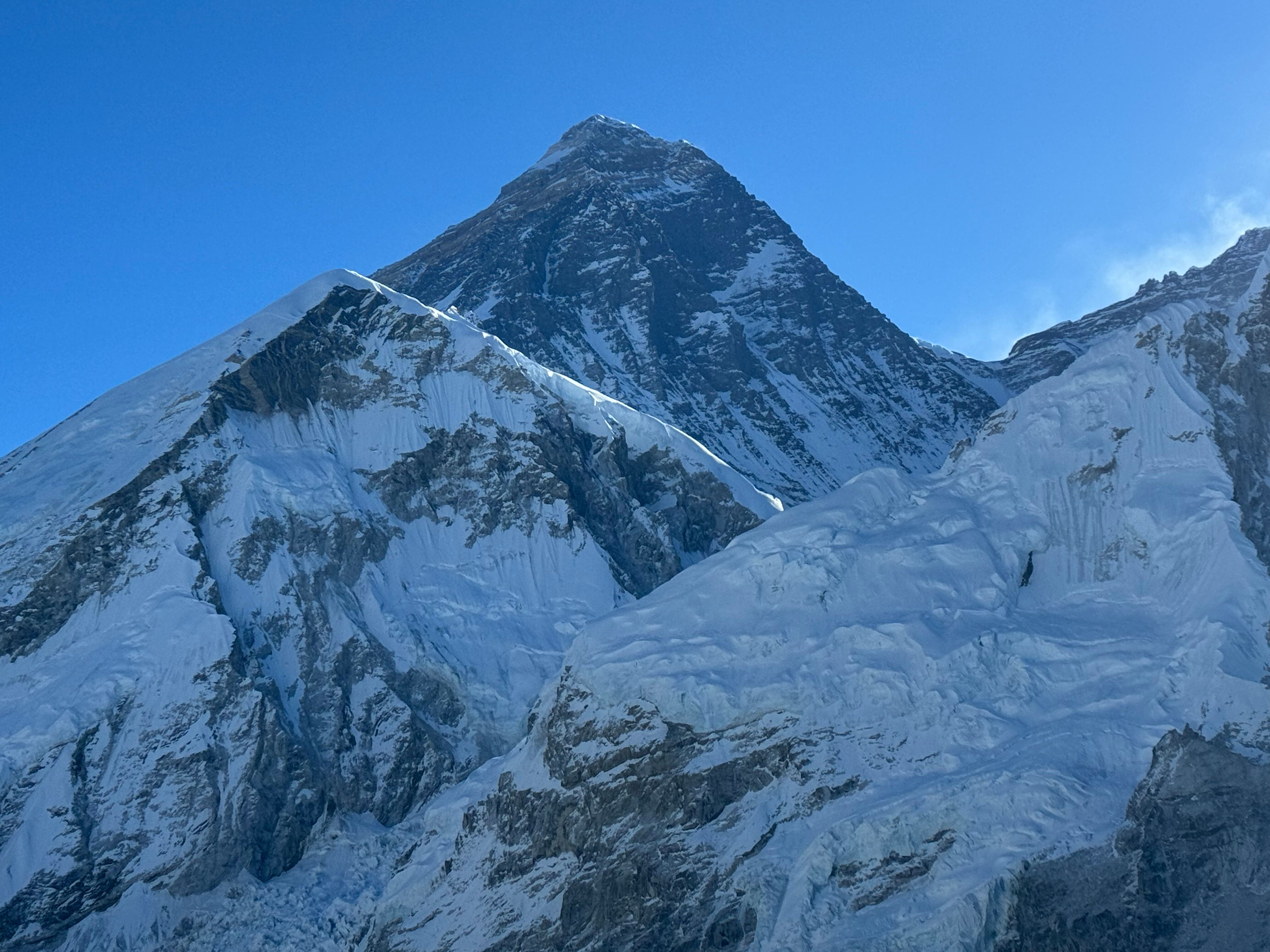
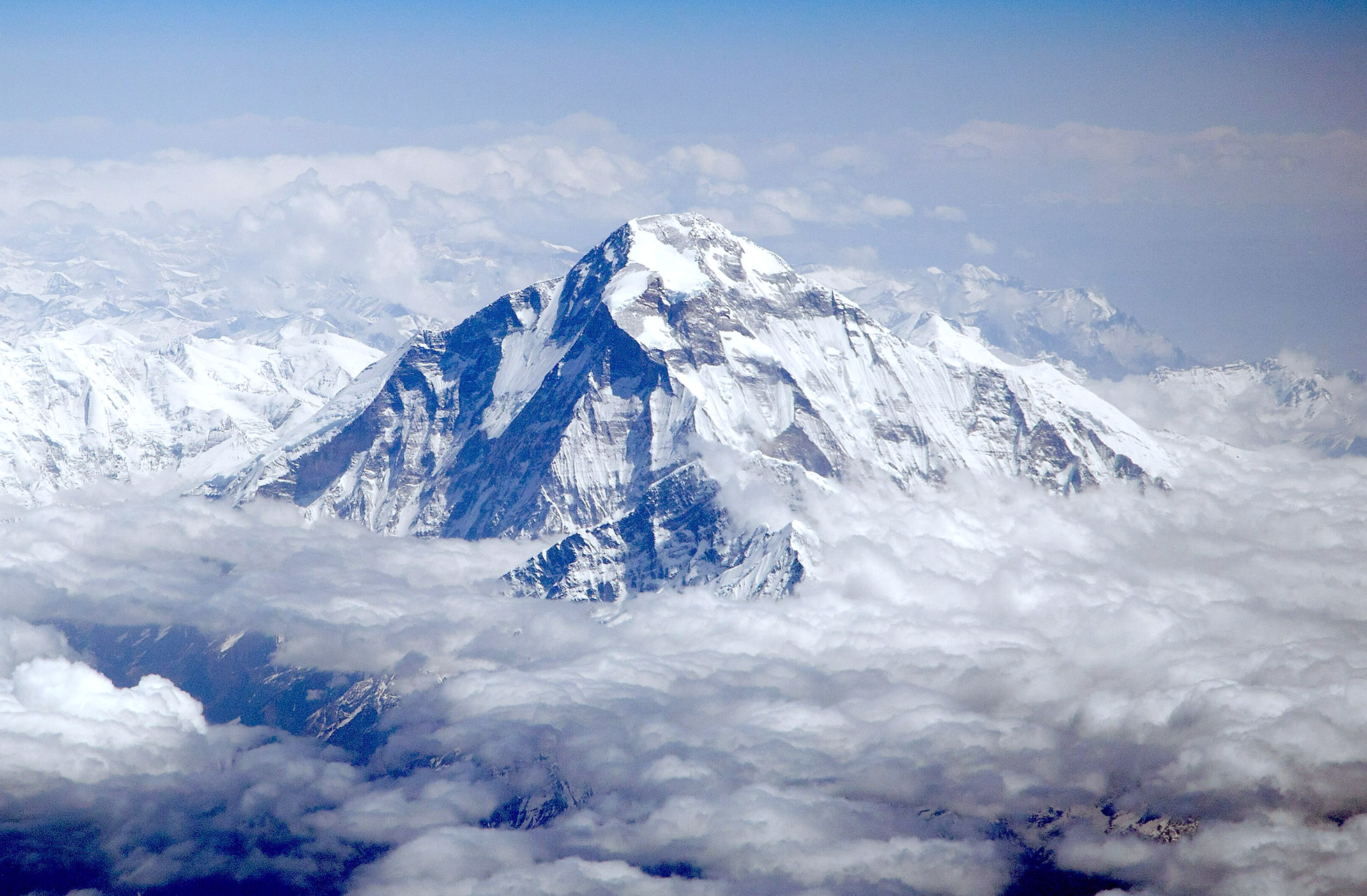
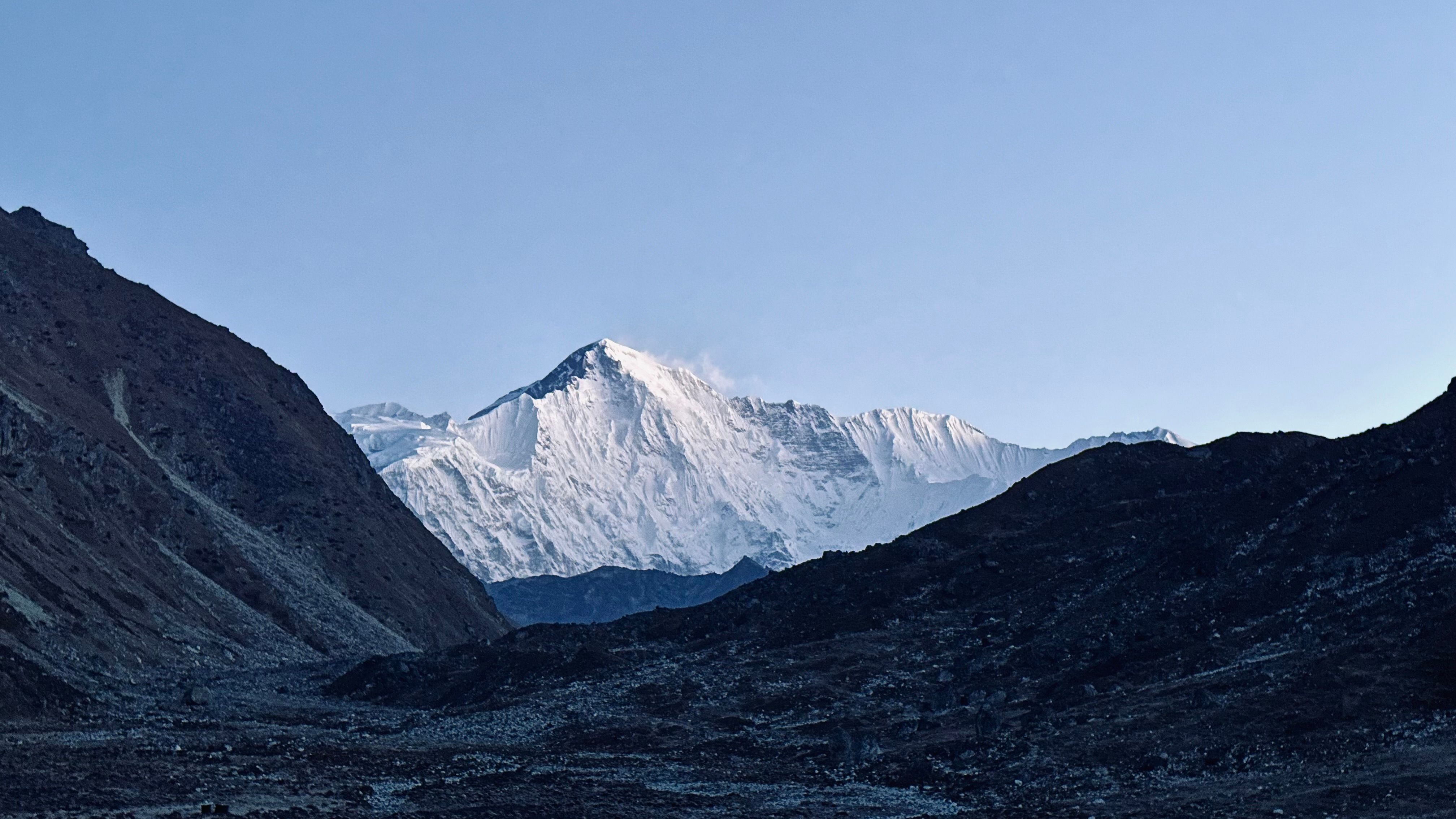
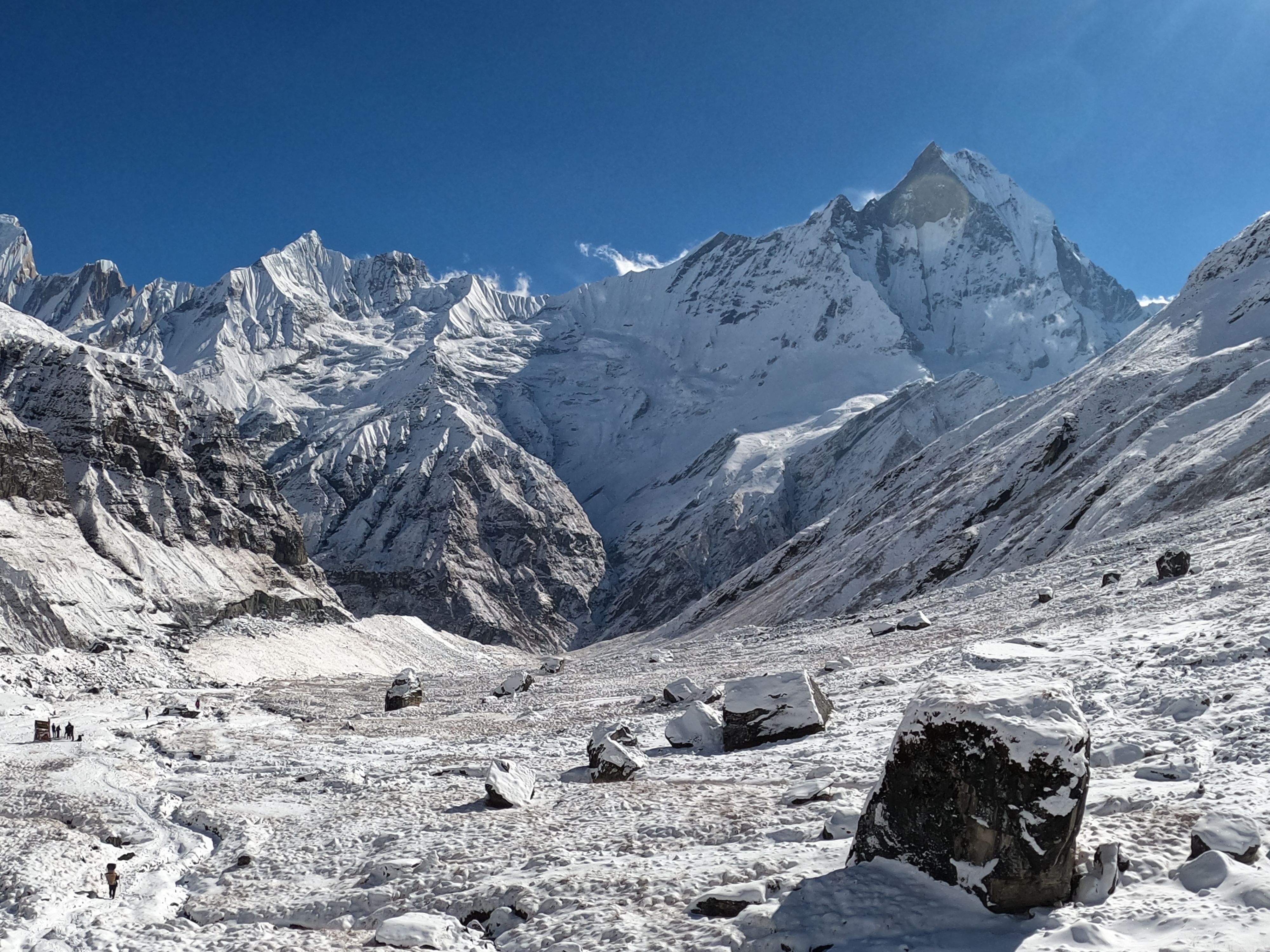
The Annapurna massif is a secluded Himalayan range residing within the sanctuary of the Annapurna Conservation Area with numerous distinct peaks above 7000m and 6000m. This expedition leads to Annapurna I Summit at 8,091m, marking the journey to the tenth highest peak in the world. The region is home to ethnic communities of Magar and Thakali residing alongside the Kaligandaki river indulging in agriculture and tourism while the trail to the Base Camp is comprised of dense forests of Rhododendrons, pine, juniper, bamboo and many othe flora and fauna. The major attraction of this expedition is the journey past the conservation area that has been protecting numerous endangered species including but not limited to Snow leopard, Himalayan tahr, blue sheep and red pandas.
The peak itself is of unique character changing its structure all the time. Therefore, fixed lines are built every season and the climbing route being dynamic everytime.
The Culture in the Kali Gandaki and Annapurna Region
The journey to the Annapurna Base Camp takes you through the vibrant village of Ghorepani toward Tatopani and Ghasa. Compared to other Base Camp routes, the Annapurna Base Camp Trekking route has been commercially popular, probably because of its accessibility. The lodges and hotels are managed by local Thakali and Magar communities and offer great hospitality along with wide range of food to choose from. One can witness the monasteries, prayer wheels, and mani walls along the trail, highlighting the dominance of Buddhism in the region.
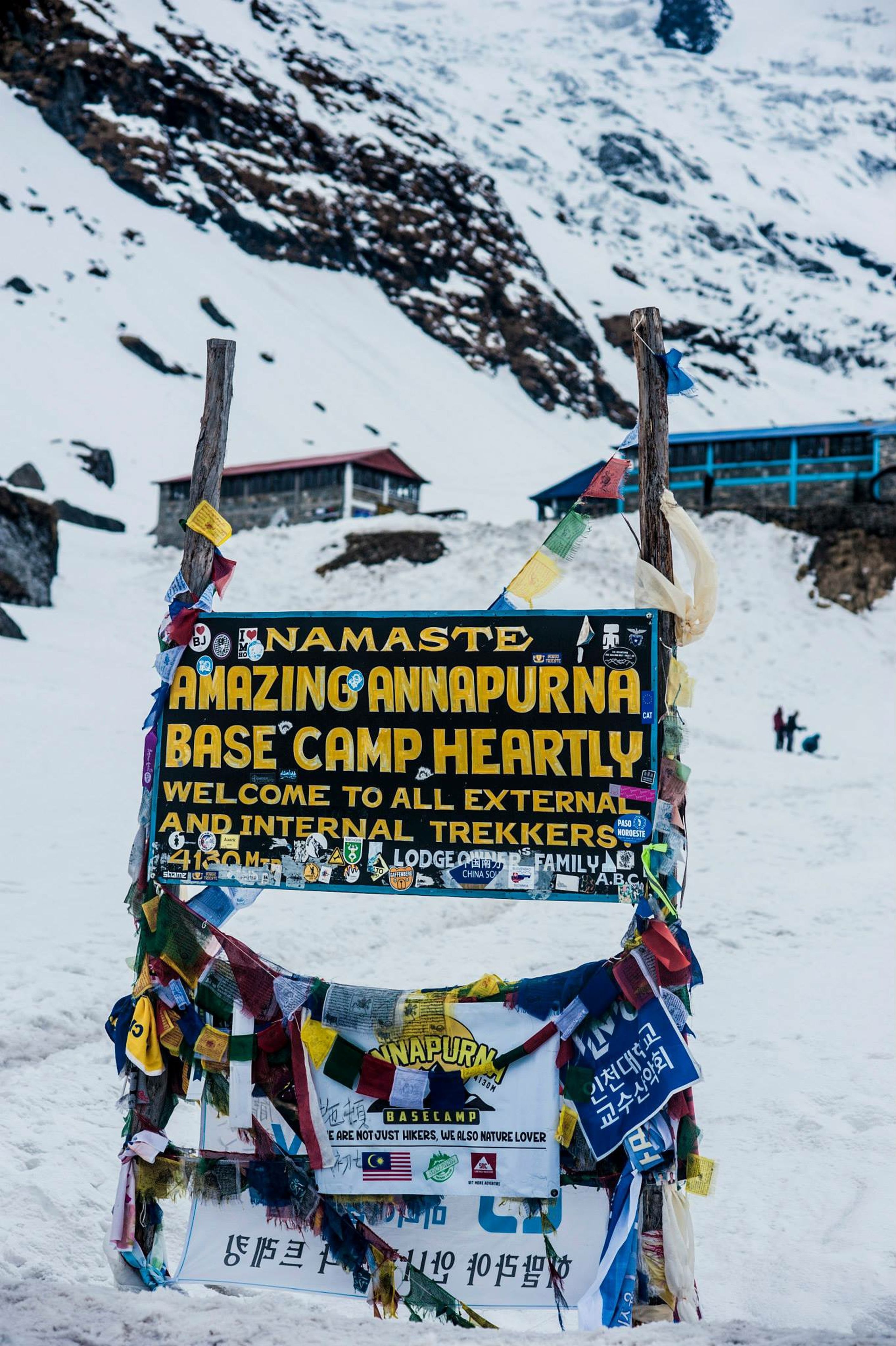
Similar to all other Expeditions, a Puja ceremony is held at Base Camp before the climbing begins, with a lama blessing ropes, ice tools, and prayer flags and asking the mountain for safe passage. On Annapurna, the fatality rate tops the chart; therefore, everyone is devotedly engaged in the Puja Ceremony seeking for safe passage.
The Summit Overview: Annapurna I via the Northwest Face
Annapurna I, the first 8000m peak to be ascended in 1950 by Maurice Herzog and Louis Lachenal, has a significant history. The only acceptable route is the Northwest Face along the North Ridge, which is highly technical and challenging in every way possible. Yet, given its geography, it is the only possible route for the summit as of date. No section is easy.
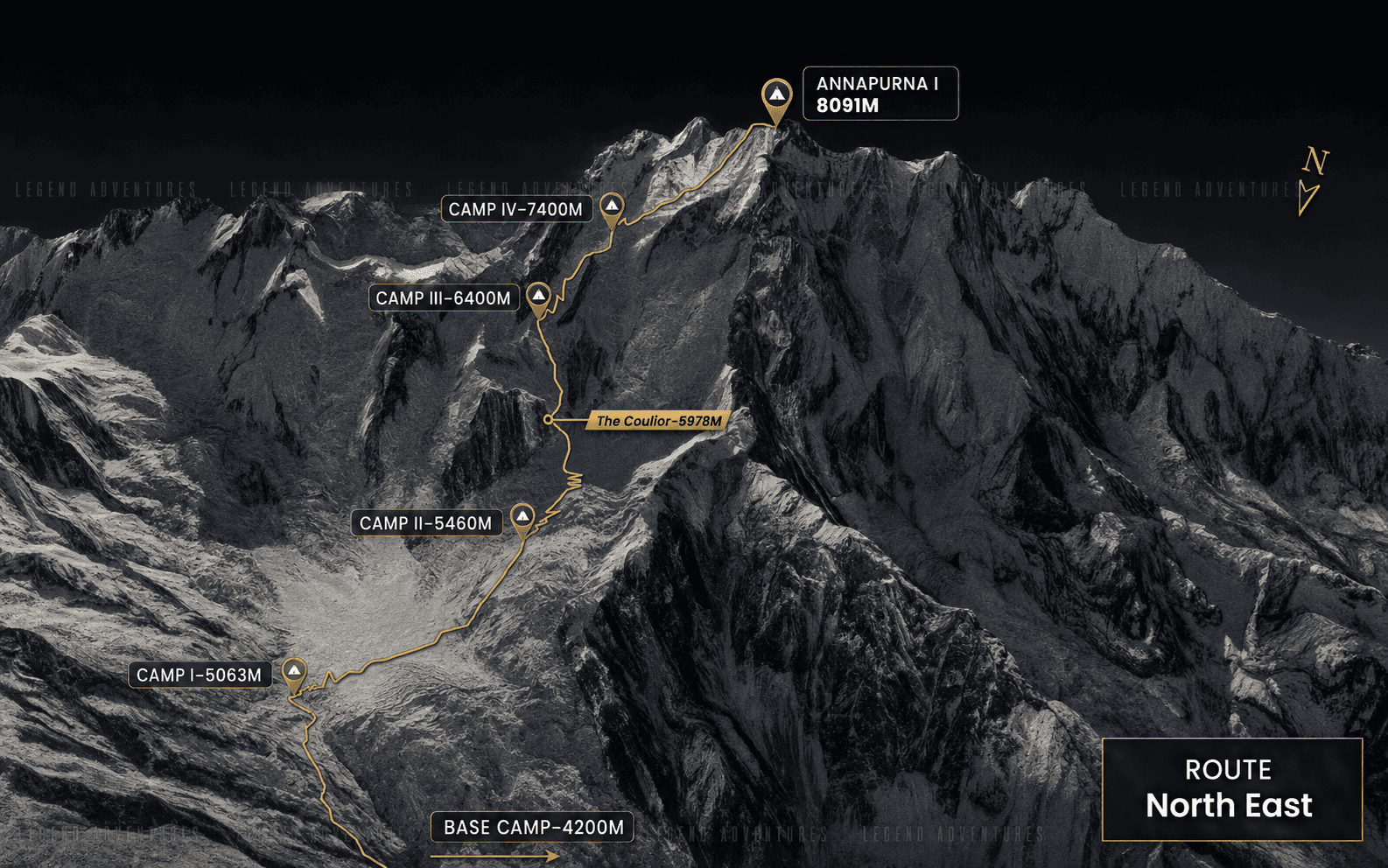
From Base Camp at roughly 4,190m, the route extends on an unstable terrain toward Camp 1 at around 5,200m then onto the broken ice section near the Sickle Glacier toward Camp 2 at 5,800m.
The section above this follows the fixed line ropes toward steep mixed ground past the Dutch Rib to Camp 3 at 6,800m. Camp 4 is rested at 7,400m, from where we attempt the summit push along the upper slopes, prone to avalanche. Every step, every move is planned and executed when everyone’s safety is ensured.
Best Season for the Annapurna I Expedition
Unlike Manaslu, the best season for the Annapurna I expedition is Spring, from mid-April to mid-May, allowing a considerably gentler weather window, with snowpacks on the upper face giving a stable terrain at some extent than in autumn.
Considerations and Trip Notes
Visa Requirements
For a 41-day Annapurna Expedition, we recommend you apply for a 90- day On arrival VISA of 15, 30 and 90 Day VISA options. You may apply for on-arrival visa, depends on eligibility or get one before your arrival at Tribhuvan Internation Airport from the concerned authorities available in your country.
Insurance Requirements
Since, Annapurna I expedition is considered to be one of the risky ones with the highest rate of fatality, your insurance coverage must be full proof. It should at minimum cover technical climbing abd mountaineering above 8000m, helicopter evacuation from base camp, hospital treatment and deposit guarantees in Kathmandu, trip cancellation and interruption, repatriation. Nepali regulation requires a minimum level of death and repatriation cover before your permit is finalised, and separately mandates increased cover for the high-altitude Sherpa team. Proof of an accepted policy must be available before we initiate any further documentation, insurance being the base for Permit itself.
Fitness, Technical and Experience Standards
-
A prior 8,000m summit is strongly preferred, and we weigh documented experience on technically serious terrain, not simply high altitude, heavily in the acceptance review.
-
Independent competence in front-pointing on steep mixed ground, fixed-line ascent and descent, Jumar changeovers and self-arrest is required before departure.
-
A working understanding of avalanche terrain and snowpack behaviour, since a large share of Annapurna's risk sits in objective hazard rather than in personal technique alone.
-
Final acceptance runs through a climbing resume review, guide references, medical screening and a hands-on technical assessment. Given this mountain's history, we would rather decline a booking than take an unprepared climber onto its upper slopes.
Environmental Conduct
Legend Adventures follows a strict leave no trace policy throughout the Annapurna Conservation Area. Approved biodegradable waste bags, no dumping on the glacier, and full return of oxygen cylinders and fixed-line hardware at the end of the expedition are mandatory for the entire team.
Gear List Suggestions
-
800-fill 8,000m down suit and a three-layer waterproof shell system.
-
Triple mountaineering boots rated to minus 40 degrees Celsius, with a compatible sock and glove system.
-
Category-4 glacier glasses, with a spare pair carried separately.
-
Personal hardware: automatic crampons, a low-profile harness, a matched Jumar, an ice axe suited to steep mixed terrain, and full fixed-line safety gear.
-
A sleeping system rated to minus 40 degrees, with a dual sleeping-pad setup.
-
A satellite communicator, avalanche transceiver, cold-rated power banks and personal prescriptions.
-
Every item should be proven on a prior climb. Annapurna is not the mountain to trust unfamiliar gear for the first time.
Team Expertise at Legend Adventures
Given the terrain, Legend Adventures runs Annapurna I expeditions in smaller teams than most of our other 8,000m programmes, led by an internationally certified IFMGA or UIAGM guide with genuine Annapurna-specific route experience, alongside a senior Sirdar and a dedicated high-altitude Sherpa per climber. A Base Camp doctor or designated medical officer runs daily clinical checks throughout the climb, supported by full satellite communications and a forecasting service that tracks the weather forecast.