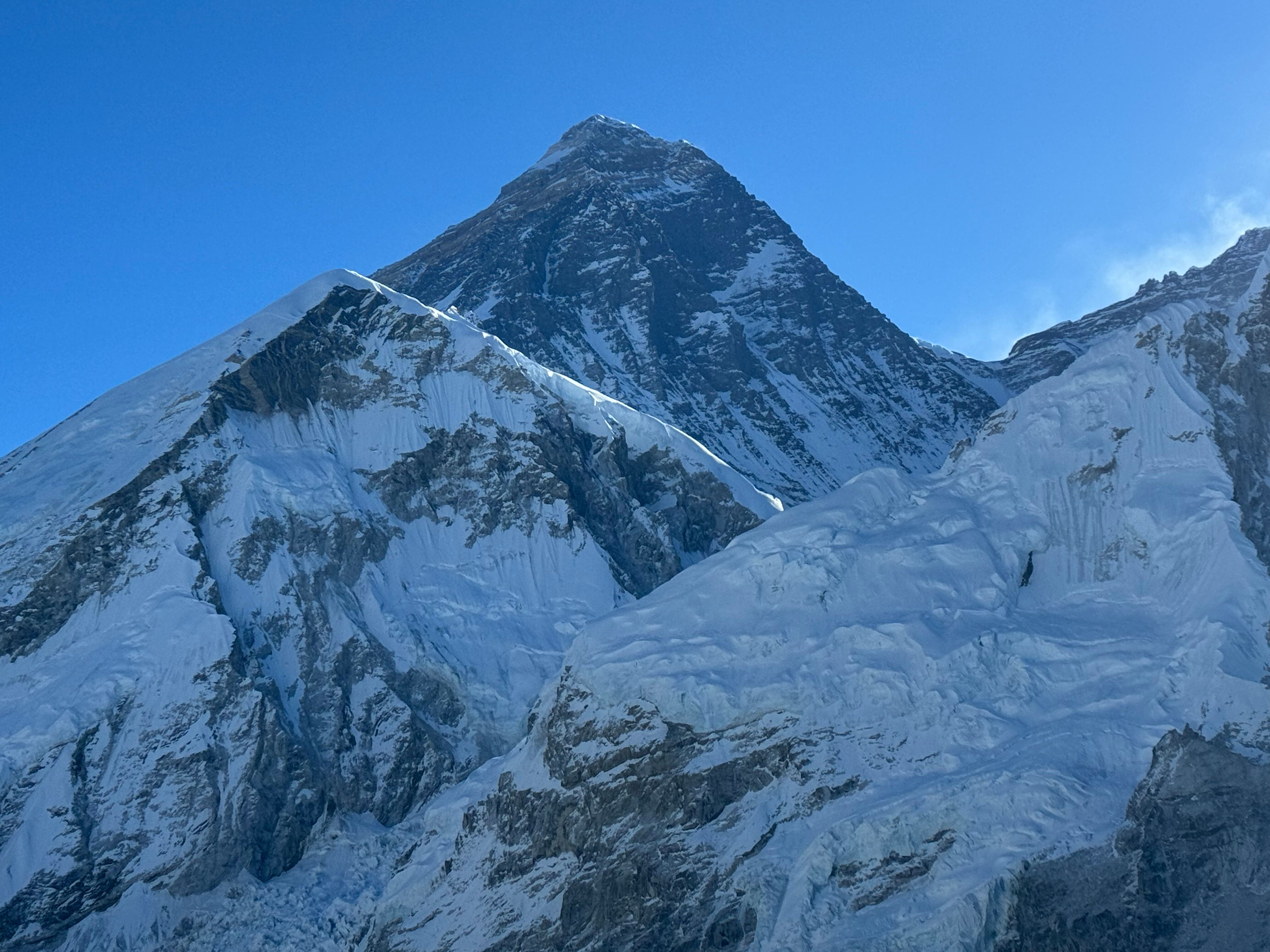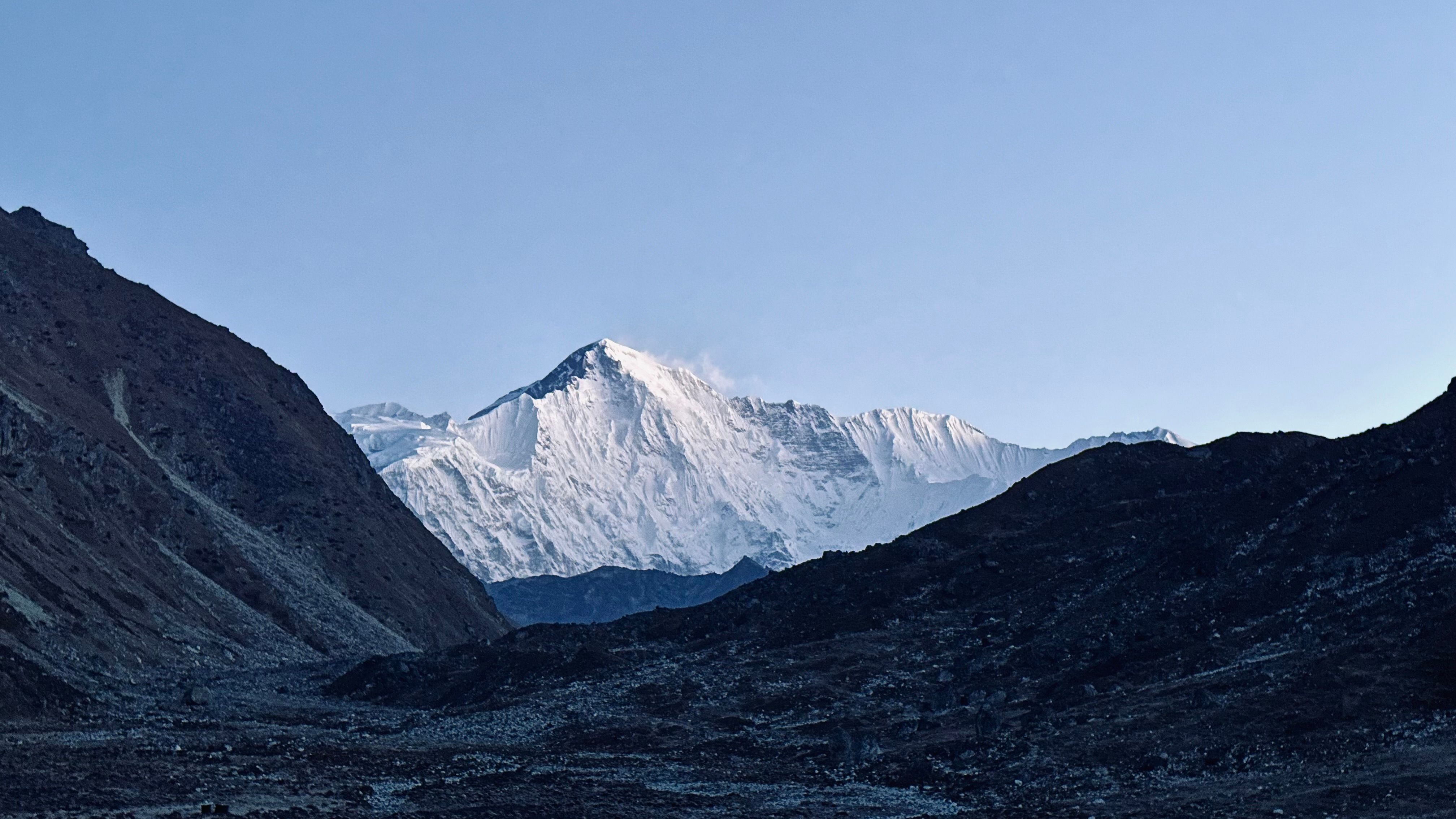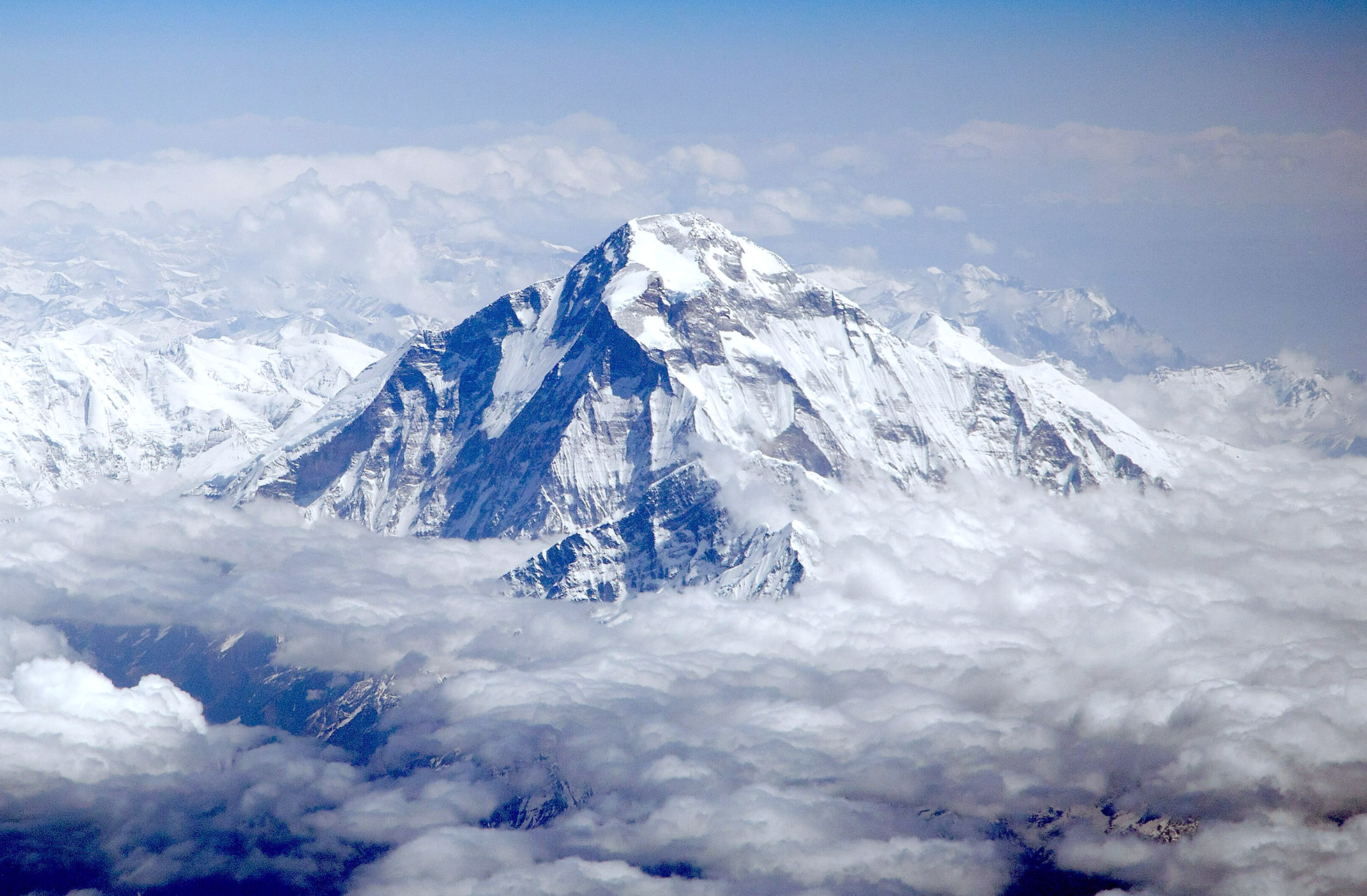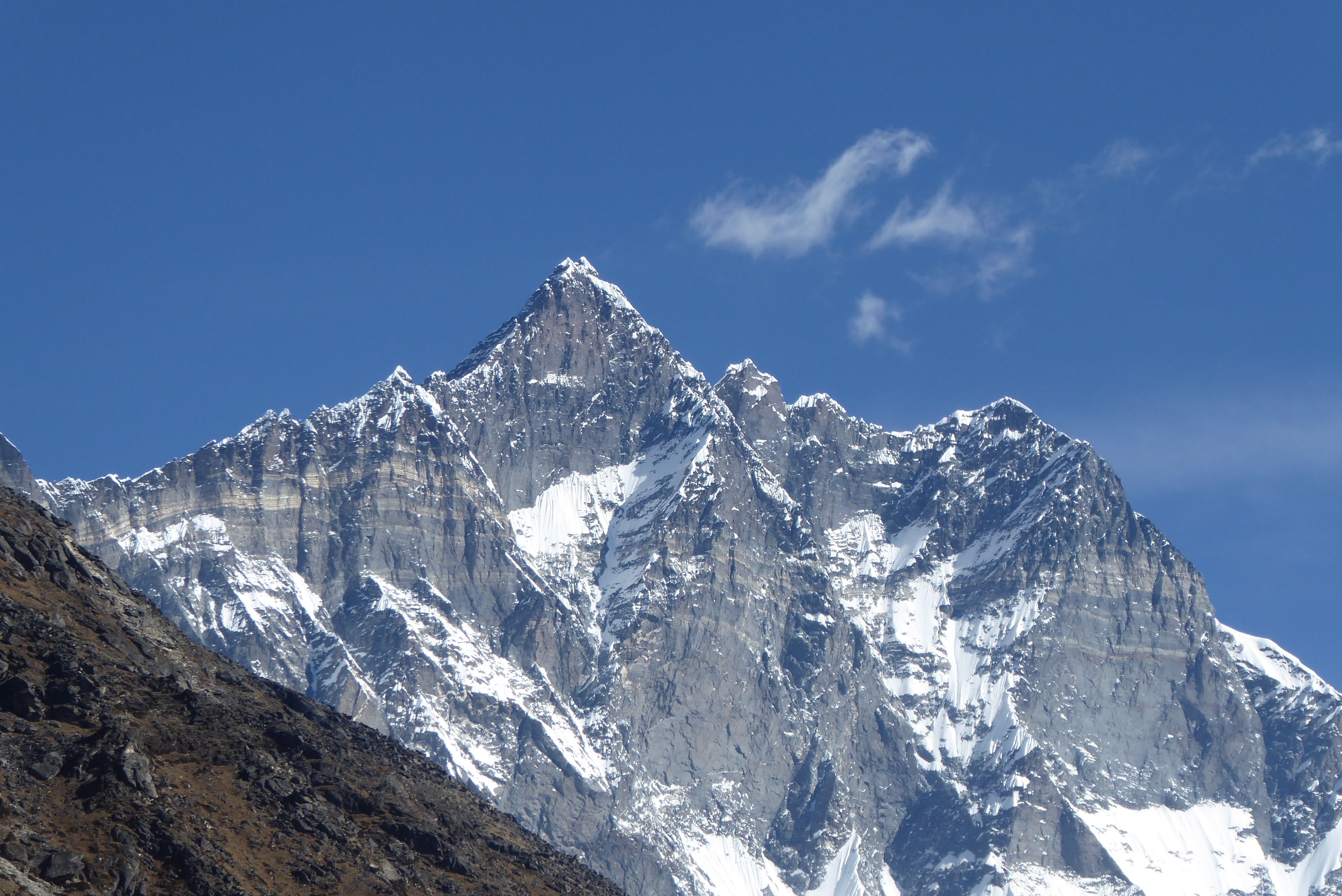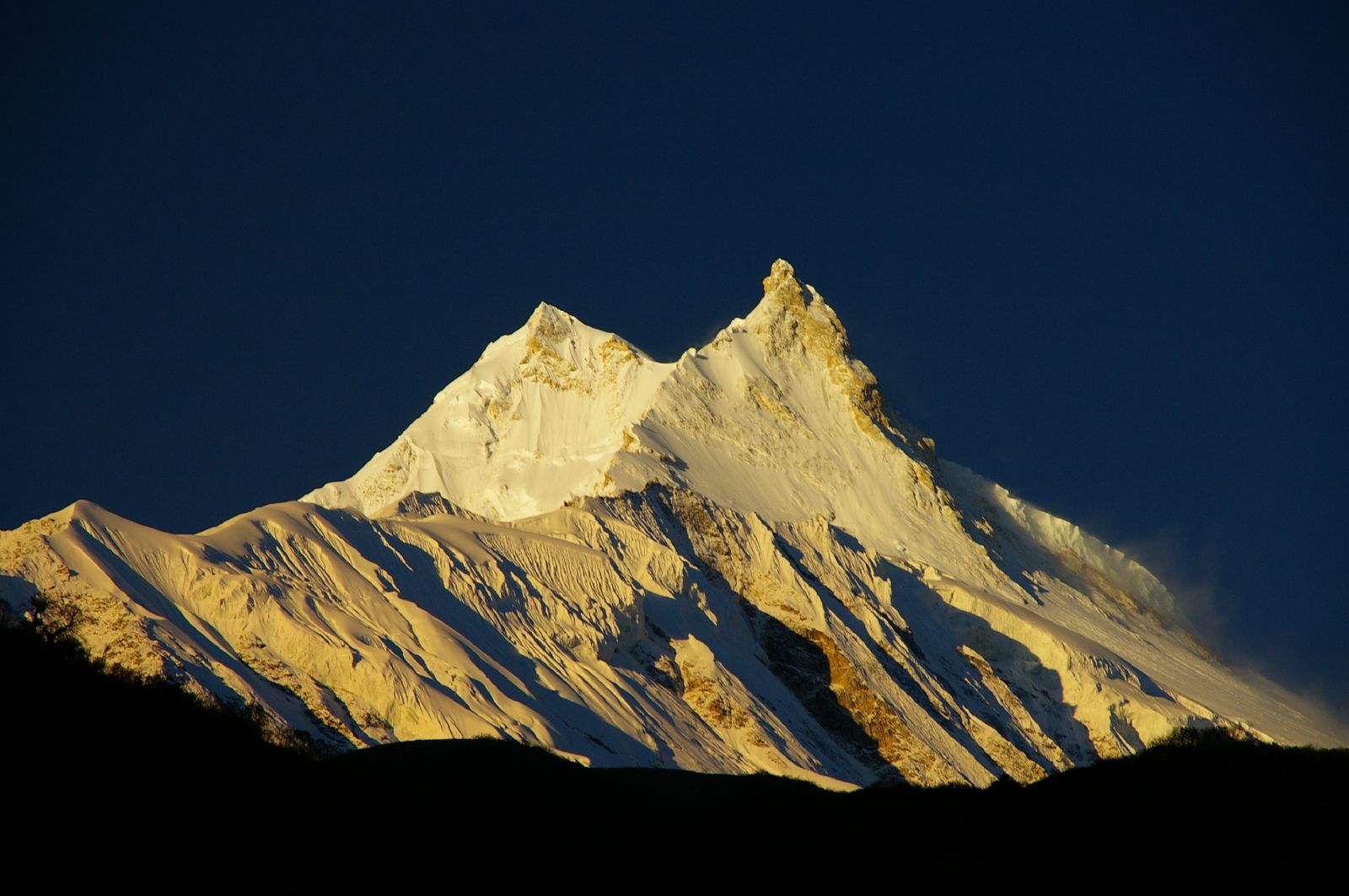
Mt Manaslu, the eighth highest peak in the world, holds a significant importance in high altitude mountaineering. It remains one of the most challenging 8000 M peaks demanding a high level of experience, caution and technical capabilities for a successful summit. It is culturally significant as well as the name Manaslu is derived from the Sanskrit word “Manasa” meaning mind, soul or spirit. So, it is also known as “the mountain of Spirit” and thrills the mountaineers who approach it.
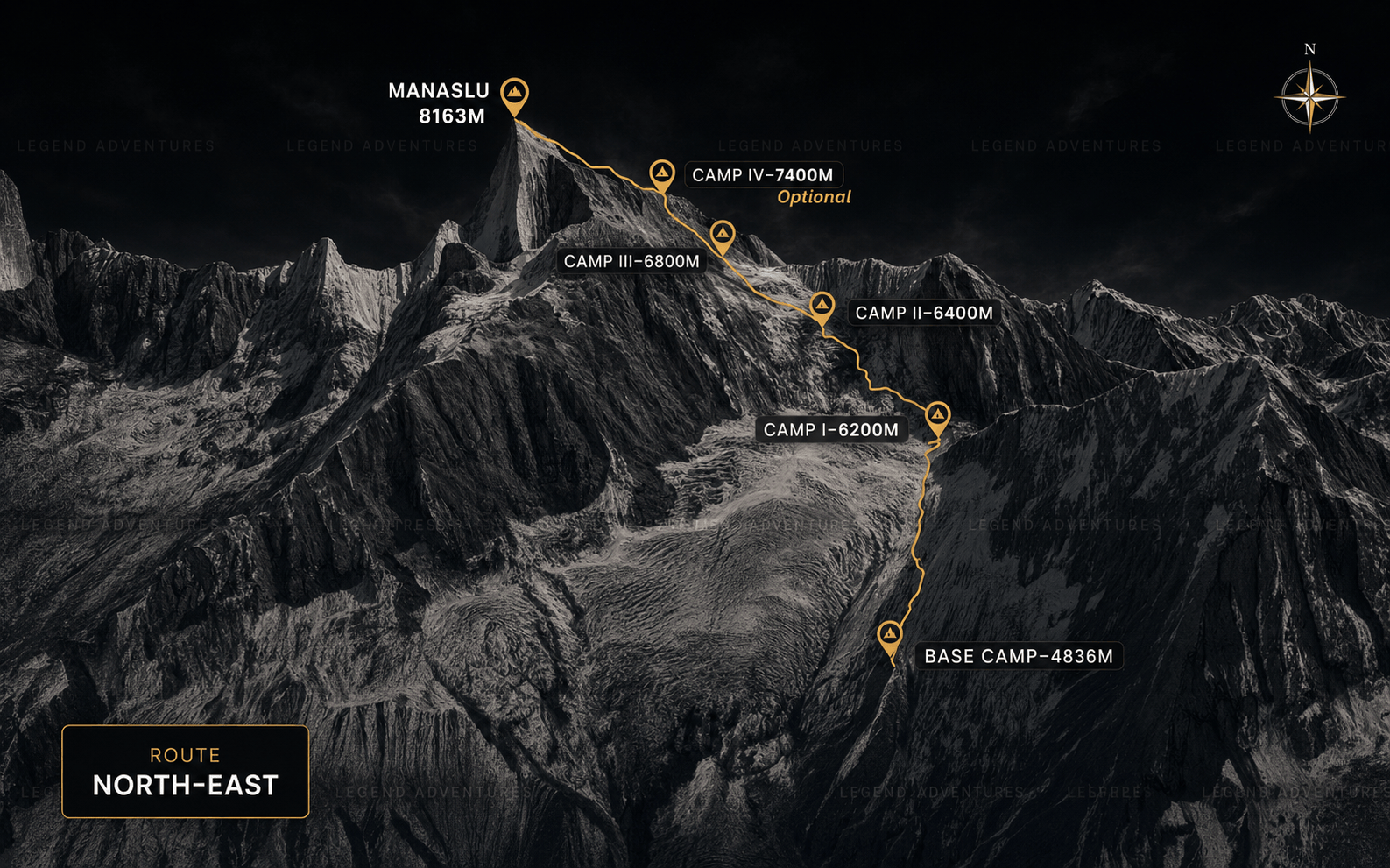
The standard route goes along the Northeast ridge and uses four high camps before actually reaching the summit. Camp 1 is set up at 5,700 meters above the lower glacier, followed by Camp 2 at 6,200 m, Camp 3 at 6,800m and Camp 4 near 7,400m used as a staging point. The climb crosses mixed glacial terrain and crevasses till camp 2. Then the route continues over snow slopes followed by steeper ide, crevasses and ladder crossings. Camp 3 sits on open snow, while Camp 4 is at a relatively higher altitude giving a different perspective of the Summit. The summit ridge, however, is exposed and can develop bottlenecks near the highest point.
The route to Manaslu offers the combined experience of valleys, forests and rugged landscape influenced by Tibetan influence. The journey goes along the vibrant city of Besisahar and Dharapani before climbing toward Bhimthang and crossing Larkya La at roughly 5,160 metres. The pass gives the team serious altitude exposure before Base Camp appears. Throughout the trail, travelers witness the beauty of stuttering prayer flags, mani walls, ancient monasteries and ethnic villages built of stone houses.
After Larkya La, the route drops toward Samdo and Sama Gaun beneath the vast eastern face of Manaslu. The mountain is a giant system of ridges, plateaus and glaciers, and steep snow and icy sections. After four high camps, climbers wait and finally push on the Summit Day.
Another major attraction of this region is the Manaslu Conservation Area, which protects the endangered species of flora and fauna including the Snow leopard, Himalaya Tahr,musk deers and numerous plants of birds.
Best Season for the Manaslu Expedition
Unlike other 8000 m peaks, Manaslu expedition is preferred during Autumn season. The base camp is built in September with the aim to reach Summit by the end of September or early October. However, with proper logistics and pre-planning, Legend Adventures can schedule the expedition in Spring as well.
Considerations and Trip Notes
Visa Requirements
Nepal offers On-Arrival VISA to most nationalities. We recommend you to check your eligibility and process for the VISA beforehand to avoid any delays or inconveniences before the expedition. For a 37-day Manaslu expedition, climbers are recommended to apply for a 60-day VISA to cover any unforeseen delays in the mountains.
Insurance Requirements for Manaslu Expedition
Manaslu Expedition requires an extensive insurance policy that covers 8000m mountaineering, helicopter rescue (if required), medical and hospital expenses, repatriation, trip cancellation and interruption.
Fitness, Technical and Experience Standards
-
Participants should have prior expedition experience above 6,500 metres, with a 7,000-metre summit or equivalent experience strongly recommended.
-
Fixed-line ascent, Jumar transitions, rappelling, crampon work and safe ladder crossing must already be familiar skills.
-
Climbers need enough aerobic endurance to move for 6-10 hours while carrying personal equipment in cold, thin air.
-
Independent operation of oxygen masks, regulators and cylinders is required before the summit push.
-
Members must remain calm in rope traffic and follow turnaround instructions even when the summit appears close.
-
Acceptance is based on climbing history, medical screening and a practical skills review rather than payment alone.
Environmental Conduct during expeditions
Legend Adventures tracks oxygen cylinders and high-camp equipment, uses organised Base Camp toilets, removes packaging and batteries, and carries human waste down from high camps through approved systems. All climbers are required to adhere to this leave-no-trace policy as responsible climbers.
Gear List Suggestions for Manaslu Expedition
-
8,000-metre down suit, expedition-weight base and mid layers, and a waterproof-breathable shell system.
-
Triple mountaineering boots suitable for severe cold, with expedition socks and spare liners where appropriate.
-
Automatic crampons, mountaineering axe, helmet, harness, Jumar, descender, cow’s-tail/fixed-line attachment system and carabiners.
-
Category 4 glacier glasses, storm goggles and a backup pair of eye protection.
-
A -40°C class sleeping bag and two-pad insulation system for high camps.
-
Warm mitts, spare gloves, face protection, high-output headlamp and backup power.
-
Insulated water bottles, personal prescriptions, repair items and personal electronics proven to work in cold conditions.
Team Expertise at Legend Adventures
Manaslu is a highly technical 8000m peak, therefore it requires ample time for preparation, high level of experience, and a reliable leadership with strong ability to take right decisions. Therefore, the expedition is led by an IFMGA guide, with a team of experienced Sherpas including the guides, climbers, chefs, logistics managers and operations team.
A mountaineering guide is assigned to each climbing member on a 1:1 basis during rotation and climbing period. Base Camp manager, cooks and logistics staff. Route information for the ladder sections, queues or changes in camp placement is continuously shared.
Base Camp tracks the condition of the fixed route, oxygen caches, summit-window demand and the health of every member.During peak seasons, departure is equally important as climbing. The expedition leader retains final authority over summit timing and turnaround.