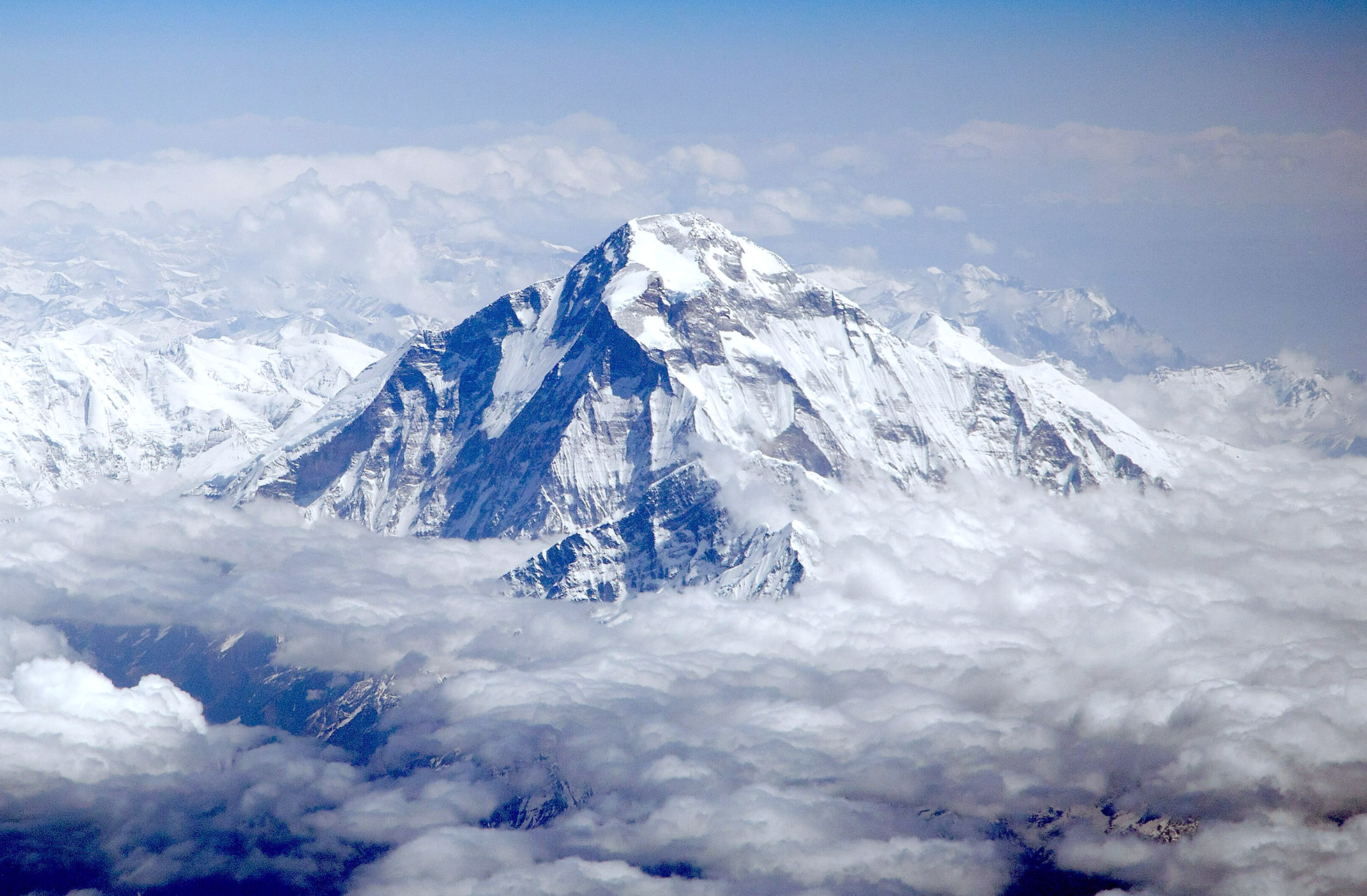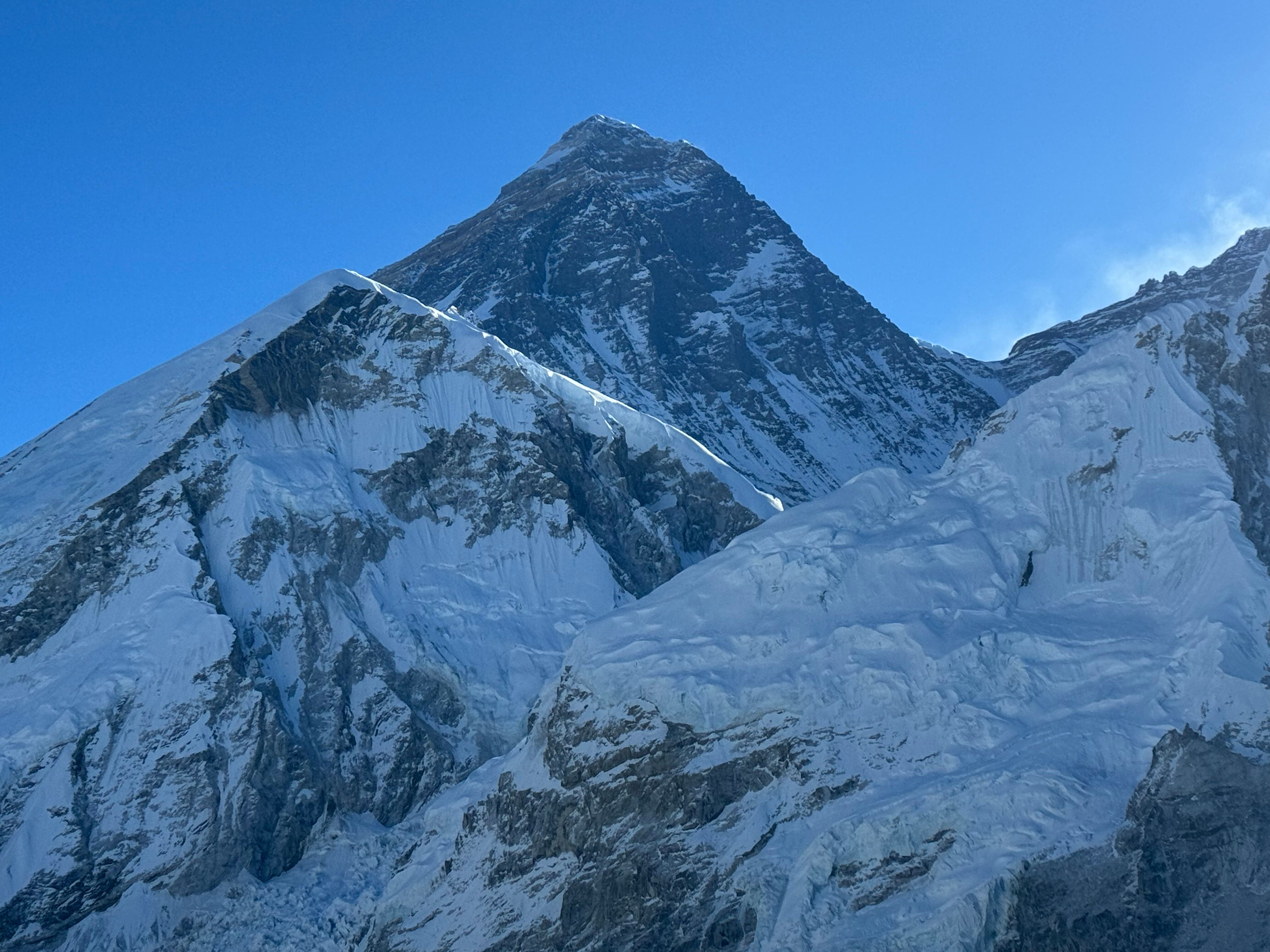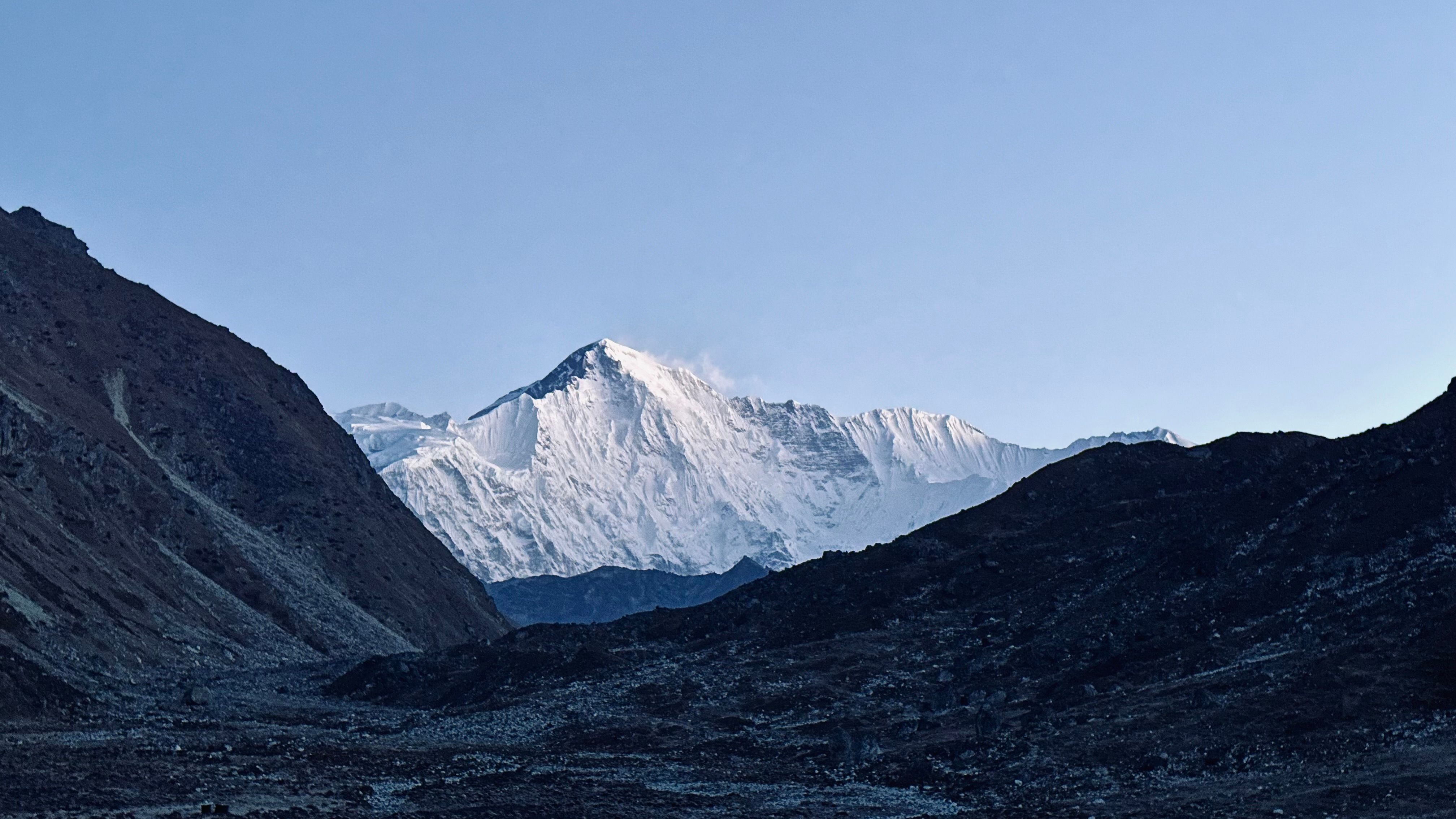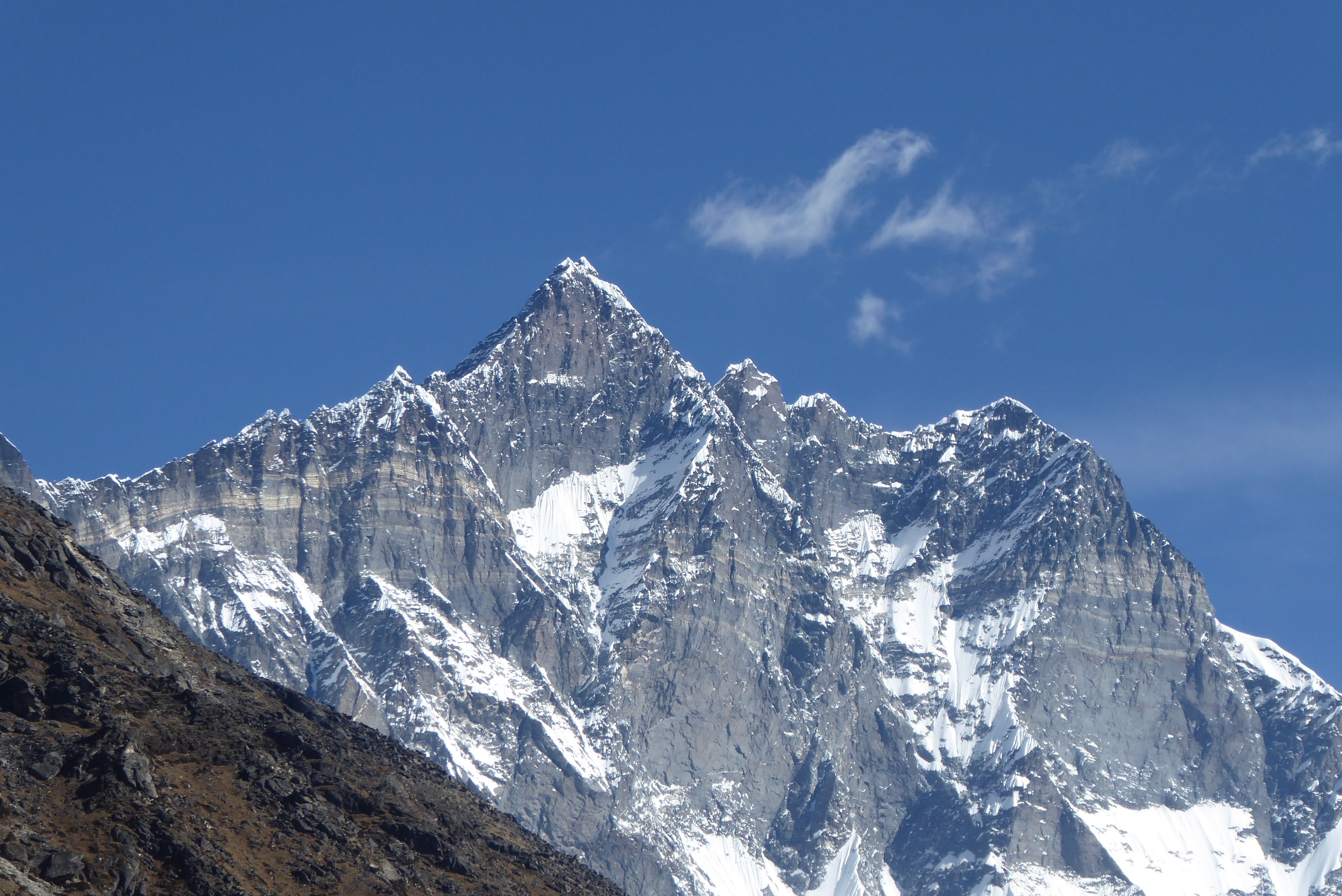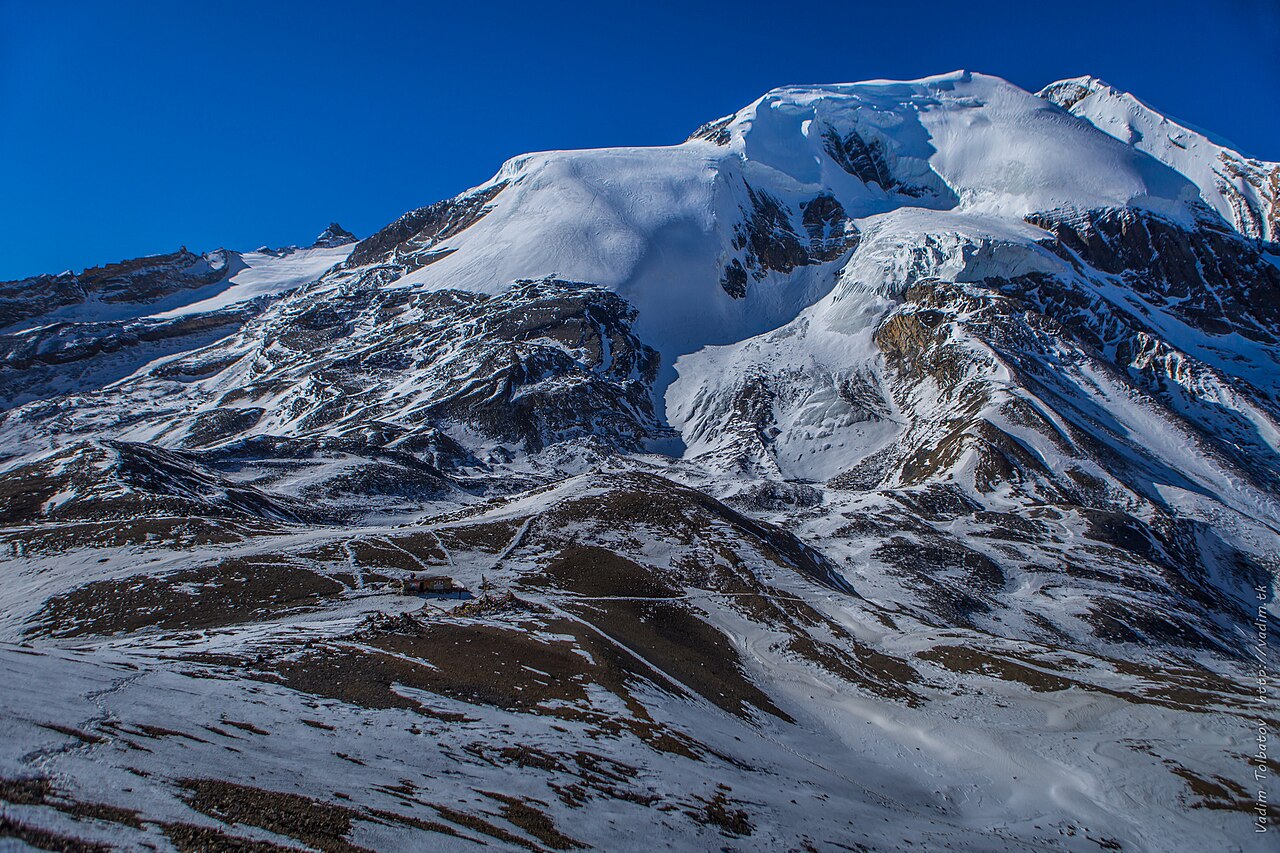
Thorong Peak Climbing (6144m) is a must-visit trekking peak in Nepal that lies in the Annapurna region and is situated near the renowned Thorong La Pass (5,416m). This expedition is a high-altitude trek that combines the adventure of summiting Thorong Peak (6144 m) with the cultural richness of a trek through the famous Annapurna Circuit, which is located in Annapurna Region. Many people aspire to ascend the 8000-meter summits such as Mt. Everest, but if they begin an ascent at Thorong, it would be a perfect start for them to conquer the high mountains, with comparatively less risk and height.
Though Thorong Peak is not a very technical peak, great physical fitness and mental preparedness are essential for this trip, just like other climbing peaks. Basic mountaineering skills can be learned at Base Camp with our professional climbing guide. We will ensure all essential preparations for successfully organizing Thorong Peak climbing.
Best Season and Prior Experience to Climb Thorong Peak
Thorong Peak Climbing is best suited during the months of Autumn and Spring. The weather will be clear, and the trail will offer better scenery at that time. We shall face obstacles that occur due to natural phenomena. The climbers should be aware of the technical challenges during the climb. And they must be well-equipped with the required climbing gear before the expedition.
Also, it is most important to choose a well-experienced expedition-organizing company like Legend Adventures, which could provide you with an experienced climbing guide licensed by the Government to enhance your safety and satisfaction. We also provide all the required gear and equipment on hire for our clients
Preparation and Training
Training should be started 2-3 months prior, and emphasis placed on cardiovascular endurance (hiking, running, stair climbing with a daypack) and leg development (because of the 35-40° snow slope, basic crampon use and an ice axe will be used under the supervision of the guide, and this will be the summit day).
Climbers who are physically fit and ready to climb usually need a short pre-climb briefing on how to use crampons and how to move with a rope before the trip, although for those who have never used a rope to travel on snow, it is beneficial to have a day or two of practice on similar terrain beforehand. Previously having been on a trek above 4000–5000m is helpful to assess how your body reacts to altitude on summits.
Gear and Equipment
The steep snow, ice and mixed terrain near the summit of Thorong Peak requires a true mountaineering set-up.
-
Two pairs of climbing boots that are insulated and compatible with crampons and two pairs of trekking boots that are insulated.
-
Crampons, Ice Axe, Harness, Ascender, Carabiners
-
Helmet, headlamp, glacier glasses and sunscreen.
-
Insulated layers for High Camp and summit night, including down jacket. Down jacket and insulated layers for High Camp and summit night.
-
The sleeping bag is rated for sub-zero temperatures.
-
Base layers, fleece and waterproof outer shell
-
It is important to keep a daypack and trekking poles.
-
Personal first aid kit and prescribed medicines (if any)
-
Guide preparation of ropes on the upper mountain (by the team)
Safety and Support
Despite its rating as one of the more accessible peaks in Nepal, it is important to note that the main danger on Thorong Peak is altitude due to the steepness of the climb on the Annapurna Circuit and the altitude of Thorong La (5,416m) itself. When planning the trip, adequate acclimatization days are included, especially in the area around Manang, followed by the high camps of Thorong Phedi and High Camp before the ascent to the summit. On summit day, guides keep a low ratio of climbers to guides and set fixed ropes on steeper snow areas and begin early in the morning to avoid the strong winds that usually develop later in the morning.