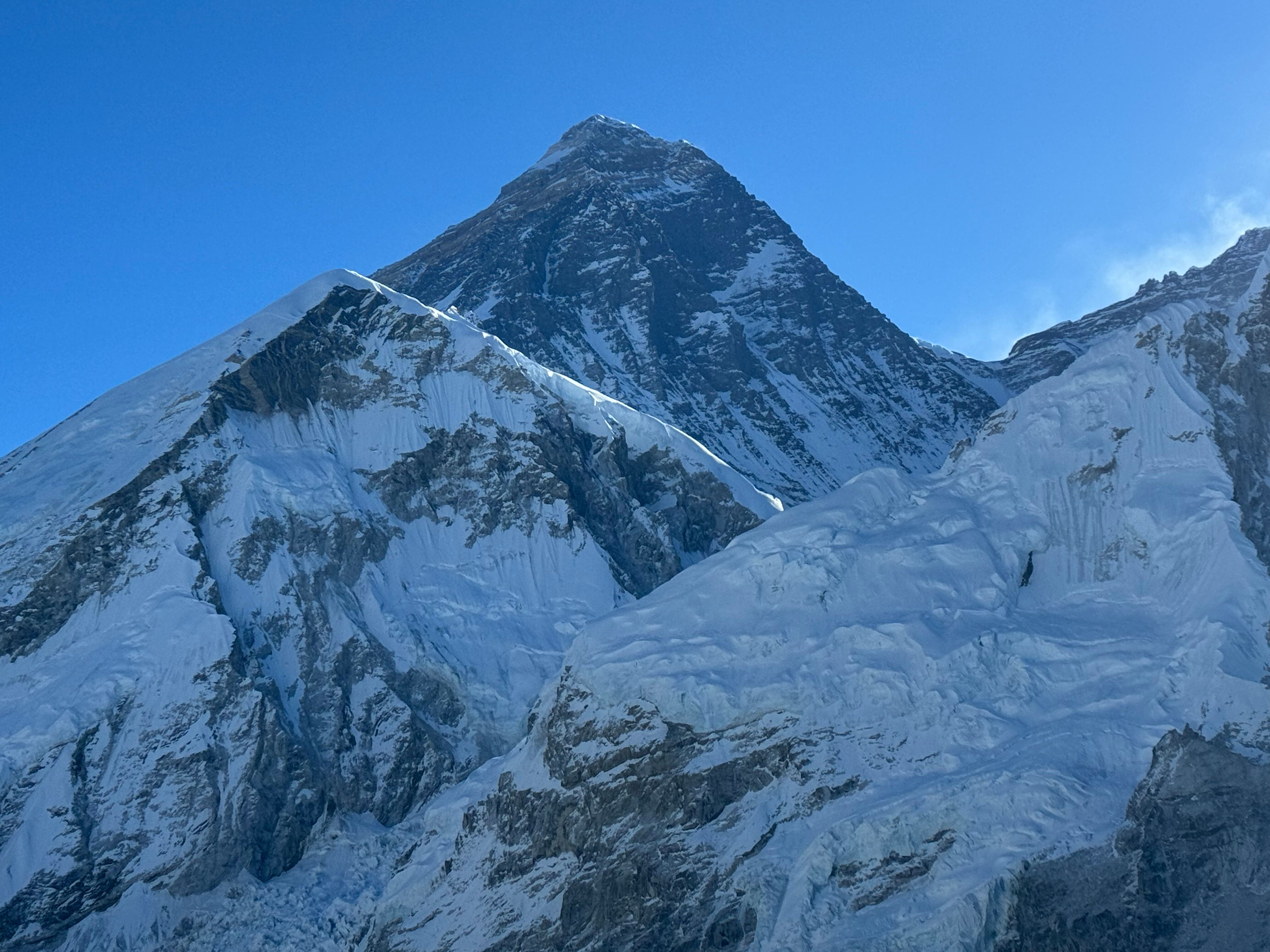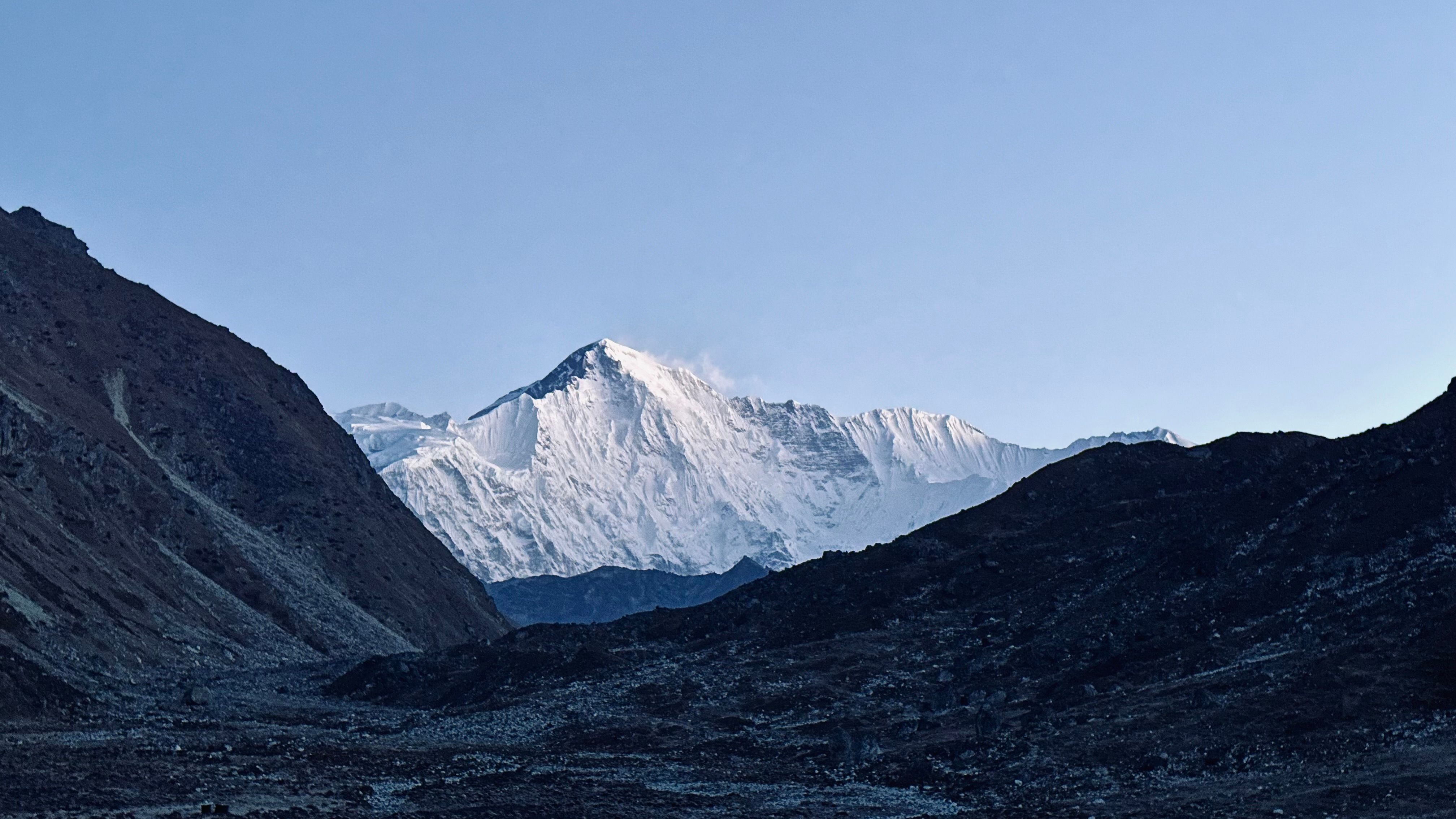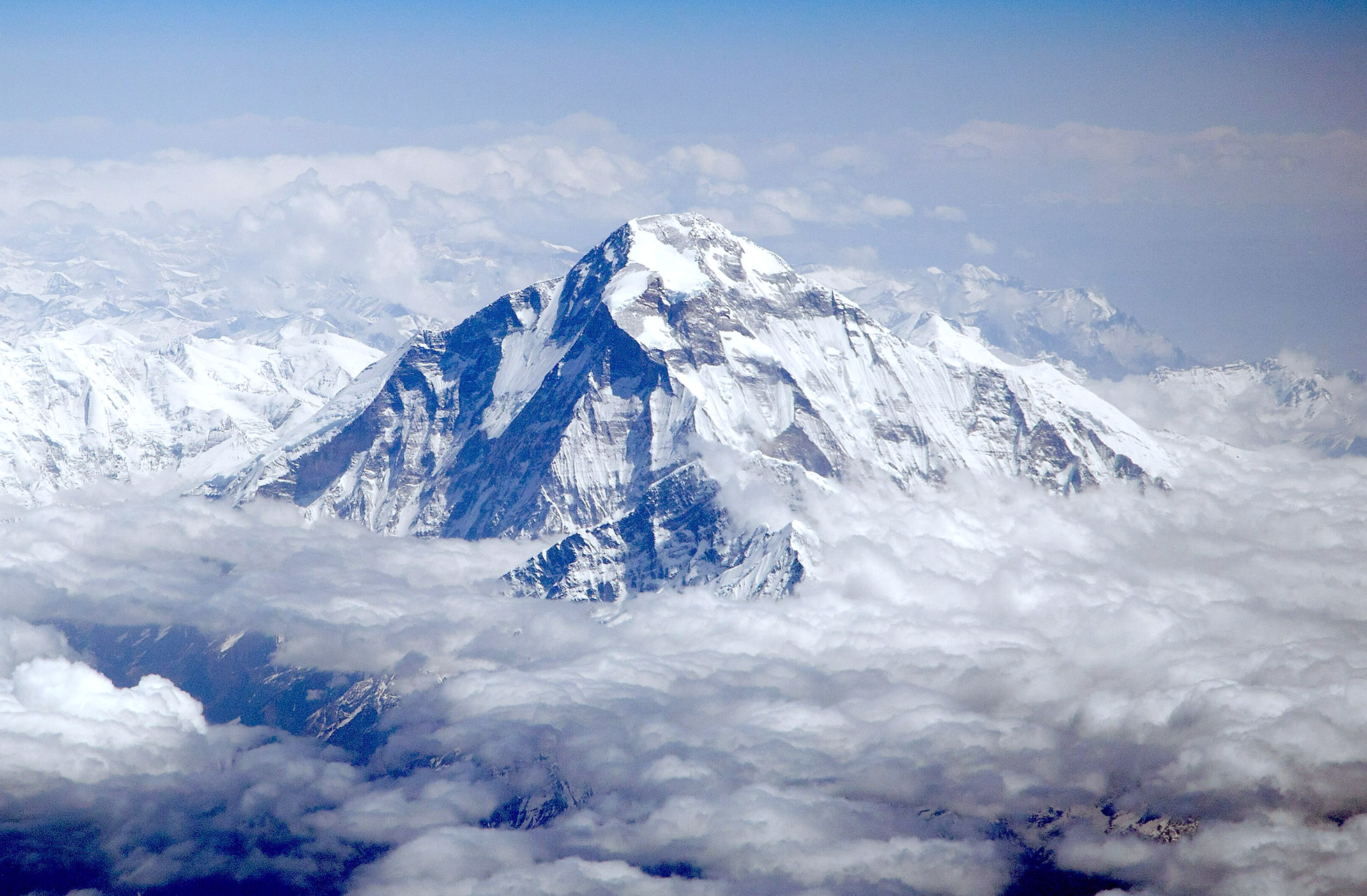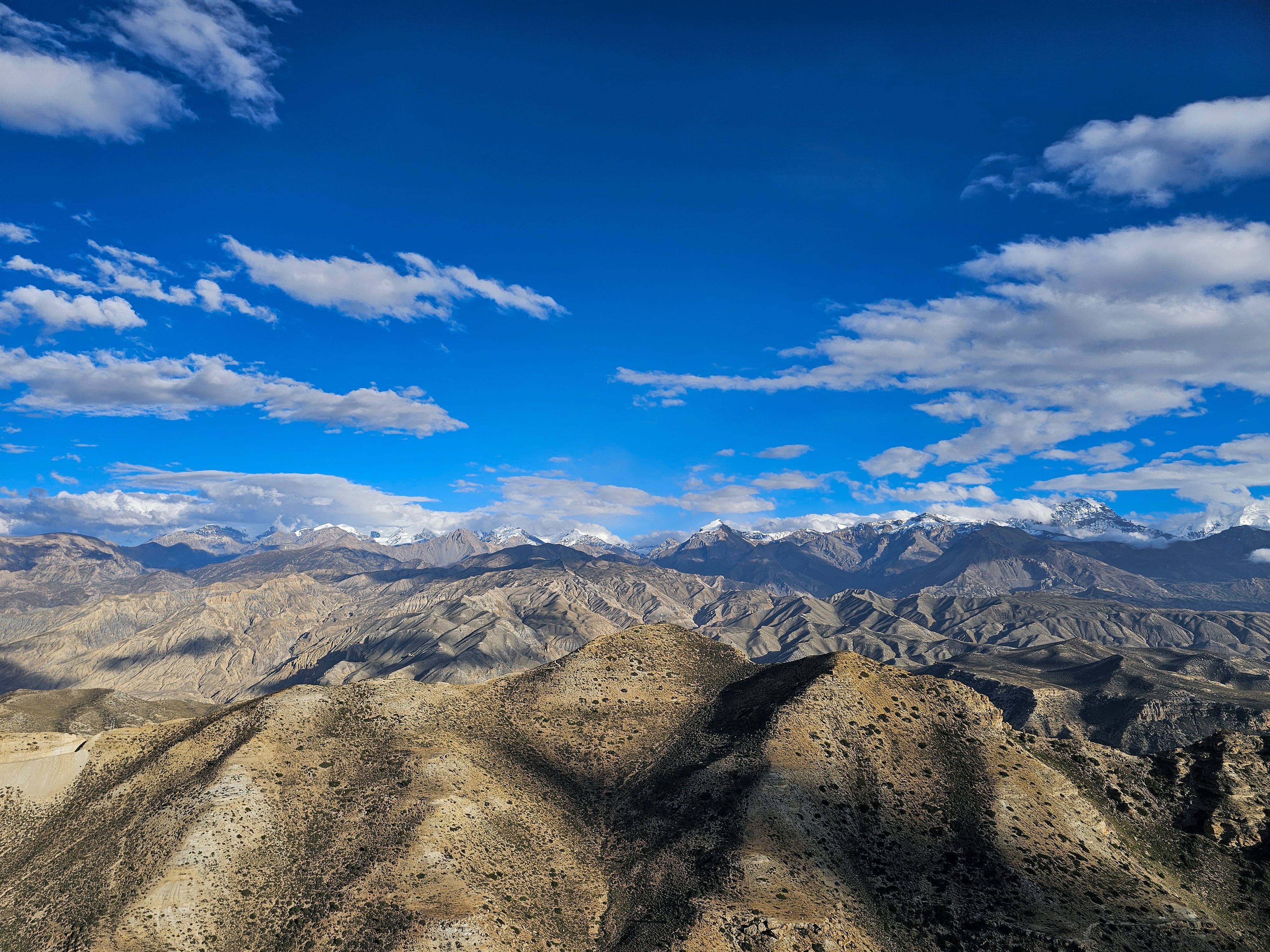
Before the introduction of the name “The Last Forbidden Kingdom”, Upper Mustang, or “The Kingdom of Lo,” as it was once referred to, is an amazing place for people who have a dream of trekking in a treeless area below 5000 meters. This is a grand location situated on the northern side of the Mustang district of Nepal at an altitude of 3,840 m, offering some really awesome views of Annapurna, Nilgiri, Dhaulagiri, and others.
One of the most preserved places in the world, the Upper Mustang was a prohibited place, and almost until 1992 it was called "The Last Forbidden Kingdom". It is a traditional cultural heritage site and is also full of Tibetan culture, language, history, caves, and rock paintings. One shall be truly astonished by one of the last northwest areas, Lo-Manthang municipality, which depicts a massive history of Buddhism. There are a number of interesting places to visit, such as Chode Gompa, Choprang Gompa, the Royal Palace, and the Monastic Museum, to be enlightened by the ancient art of healing.
A trek to the Upper Mustang region is considered to be moderate in terms of its altitude, as trekkers can enjoy the sites with a steady hike, which aids in mitigating higher altitude problems. This rural trans-Himalayan Region trek offers a mesmerizing trekking route with perfectly trodden paths encountering semi-deserts and artistic rock formations. The place serves as a testimonial to the history of a legendary king, Lo, and some significant events from the 8th century.
Best Season to Visit Upper Mustang
The Upper Mustang is located in a rain shadow area of the Himalayas, and the best time to visit is during the monsoon season (June–September). We would, however, be happy to arrange trips for you at any time of the year when it's convenient for you.
Preparation and Training
Upper Mustang is moderate, and in contrast to most treks in Nepal, the difficulty here is due to distance and terrain, not extremely high altitudes. The highest point is approximately 3,840 metres from Lo Manthang, which is not as high as most of the bigger treks in Nepal, but the challenge is more in terms of distance, remoteness, wind, and the ceaseless dryness of a landscape more like Tibet than Nepal. This is an out-and-back trek for anywhere up to 22km a day, through the Kali Gandaki Valley, so although no technical ability and no high-altitude fitness are required, walking endurance for consecutive days is of paramount importance. Training should start 1-2 months in advance and build stamina for long flat-to-rolling walking days through regular hiking, walking with a daypack, and some cardio (running and/or cycling). The scenery is dry, windy, and dusty, not icy or snow-covered, and preparation is similar to that for a long desert walk rather than a pass crossing in the Himalayas, but a realistic assessment of your own ability to walk for 5-6 hours a day, back-to-back, is still required.
Gear and Equipment
-
Strong, worn, and ready boots for rocky, dry, and dusty hiking tracks.
-
Fleece or light down jacket for cold nights and mornings
-
Exposed and windy area, base layers and windproof outer shell
-
A scarf or buff or bandana to shield from dust and wind
-
Wide-brimmed hat and sunglasses for very hot deserts at high altitudes
-
The long poles for walking out for days on flat and rolling terrain.
-
Use a headlamp for early mornings or light up a basic teahouse.
-
Sleeping bag appropriate for cold nights but at medium elevation
-
Water, snack, and layer-carrying daypack.
-
Personal first aid kit and any prescribed medication.
-
Water purification tablets/filter
-
Medications: sunscreen and lip balm – apply before spending time outdoors.
-
Insurance for trekking and emergency evacuation trips.
Safety and Support
The larger issues are the long walking hours, high winds in the afternoon, which get stronger in the Kali Gandaki Canyon, and the lack of moisture and dust, which can be a problem for anyone not used to walking in dry, dusty conditions. The Restricted Area near the Tibetan border is a government-designated restricted area where a Restricted Area Permit is required, as well as solo trekking and a minimum of 2 trekkers with a licensed guide (required by law, not just recommended). There is reasonably good infrastructure along the way compared to more remote areas such as Dolpo, where access to food, shelter, and basic support is more difficult; if there is ever a return, there is a road route to Lo Manthang, which adds another level of access.
Our local guide team has been trained to lead treks and is well acquainted with the trails, wind conditions, and cultural sites of Upper Mustang and has the required permits.