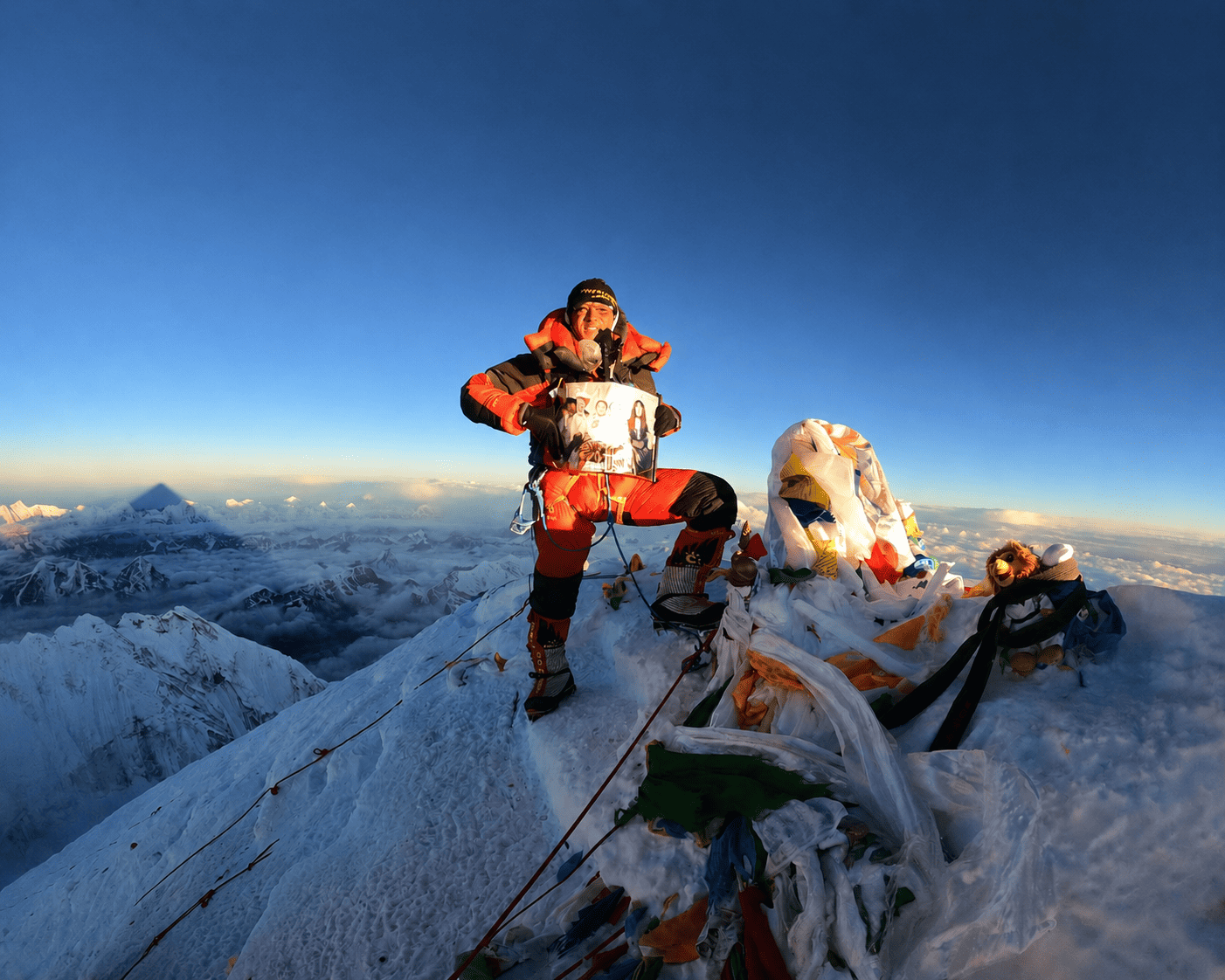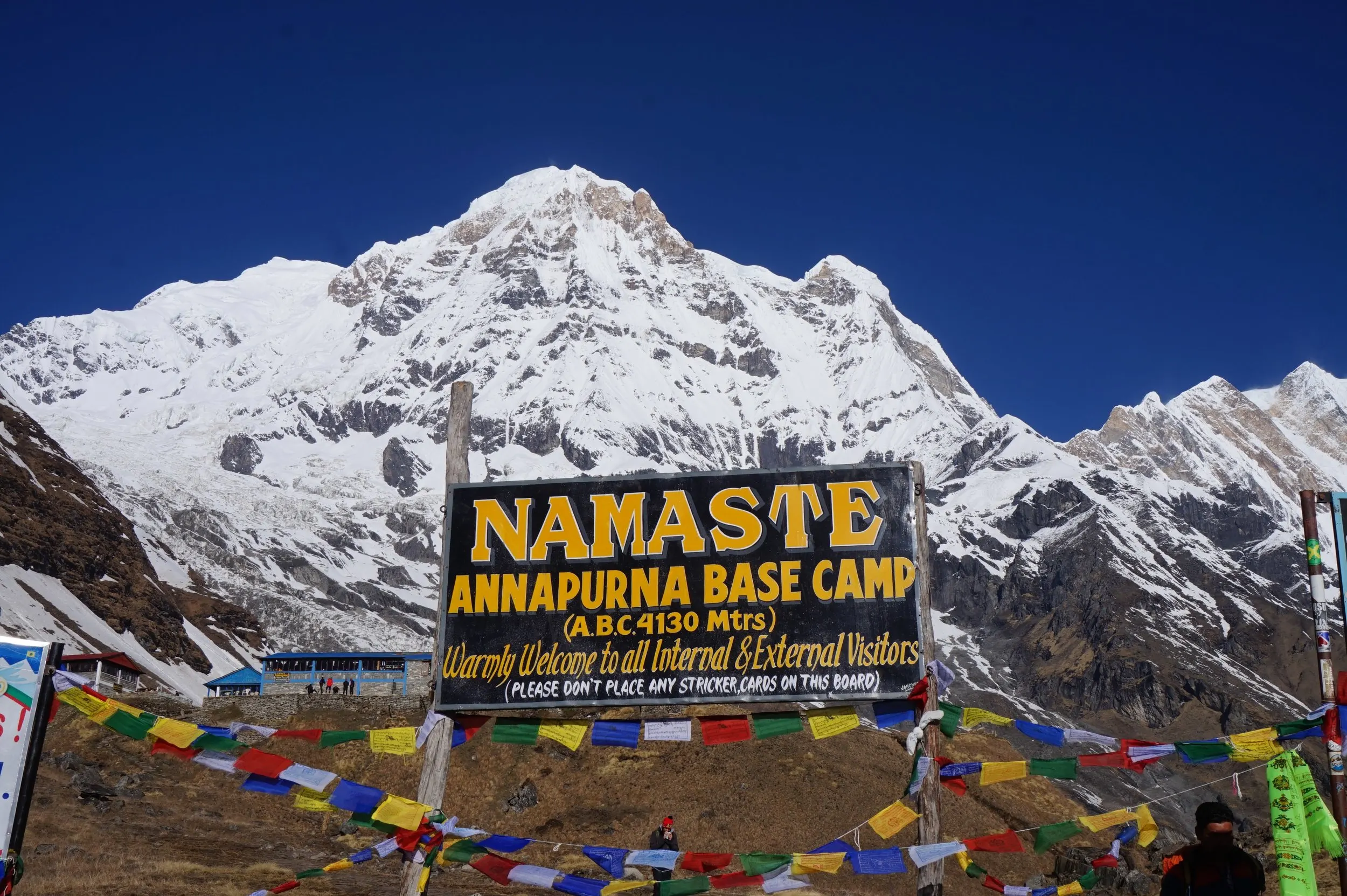
Honestly, the Annapurna Base Camp Trek cost is all over the place. Some people shell out for lodges and every comfort that they can get their hands on, while others are cool with a bowl of dal bhat. It all depends on how many days you want this trek of yours to last, which trail you choose, and whether you want to be a part of this trek or just want to enjoy the trek. If you want to keep the ABC trek package cost down, then skip the fancy extras and know what influences the price.
Before you just pack your bag and head for the Annapurna Base Camp Trek, there's a bunch of things you want to know at first.
Permits and Entry Fees
Do not even think about packing your bags because there is important paperwork that needs to be done, which is totally non-negotiable, and they actually help keep the trials open and the villages running.
There are two big permits that all trekkers will require. There are two, the first is called the Annapurna Conservation Area Permit (ACAP) and costs $30. Another is the TIMS card (Trekkers’ Information Management System), which costs USD 20. Together, these 2 add about USD 50 to the total Annapurna Base Camp Trek cost. Those fees go to things like maintenance of our trails and protecting our environment. You can hire both in Kathmandu or Pokhara before you begin.
Guide and Porter Costs
If you are not looking to get lost, use your cash for a guide and maybe a porter, too. Because locals know about their place, weather, shortcuts, random festivals, and the things you will not even find in any guidebook.
Guides and porters make trekking more comfortable and safer. A professional guide is generally around $25-35 USD a day. Porter carries around 20 kgs of load and charges approximately USD 20 to 25 per day. You need around $400 to 500 additional for hiring both for an 8–10-day trek. If it adds to your Annapurna Base Camp trek cost, local support can be well worth the price. They have the most knowledge of trails, weather, and culture.
Accommodation Prices
Out there on the trail, you will mostly crash at tea houses or lodges. You need to know that the higher you get, the steeper the prices are because someone had to feed you and give you extra blankets up there for your goodnight sleep.
What you will get:
-
Tea Houses: USD 5–10 a night
-
Mid-range Lodges: USD 15–25 a night
The cost increases slightly as you go higher because supplies are carried by porters or mules. On average, you will spend around USD 100–150 for accommodation during the trek. If you choose an ABC trek package, most agencies include accommodation in the total price. This saves you the trouble of paying daily.
Food and Drinks on the Trail
The Annapurna Base Camp trek also provides you with an adequate quantity of food. The food served during this trial is a mix of Nepali and Indian food, and a little bit of Western comfort food. The more you go up, the more expensive the food becomes. Breakfasts are under 3 to 4 USD, and lunch and dinner come around 5 to 10 USD.
Moreover, local foods such as dal bhat are affordable and healthy, and they supply you with energy to make the trail in front of you go. Water is not free as well, which is 1 to 3 USD, therefore, taking a refillable water bottle and filling it with filtered water instead of buying can save you the Annapurna Base Camp Trek cost.
Transportation to and from the Starting Point
Many of the hikers kick off their Annapurna adventure in Pokhara. If you are coming from Kathmandu, that bus ride will set you back maybe ten to fifteen bucks, which is not more expensive than grabbing a tourist bus or a rental car, which will take around 25 USD and can go up to a hundred as well.
And, once you step into Pokhara, you will need to visit either Nayapul or Ghandruk. For them, the local jeeps cost between fifteen to thirty USD. Overall, from the starting point you will be dropping somewhere between fifty and two hundred USD for the transportation.
ABC Trek Package Prices
First-timers will end up with too much hassle in taking care of every small thing. That is why such Annapurna Base Camp Trek packages are available and save you from trouble, providing ease to you so that you can simply enjoy nature. You are paying for your permits, rooms, meals, rides, and the guides through this.
-
The Average basic deal is for about 500 to 700 USD.
-
The Standard package is somewhere between 800 to 1000 USD.
-
The Luxury starts from 1,200 to 1,500 USD.
Equipment and Gear Rentals
The cost of buying used trekking equipment will save you money. You can rent out trekking equipment all over Kathmandu and Pokhara.
-
Sleeping Bag: USD 1–2 per day
-
Down Jacket: USD 1–2 per day
-
Other Gear (Trekking poles, gloves, boots): USD 10–20 total
You will spend around USD 50-80 if you rent. However, for regular trekkers, owning your own gear is better long-term, which might cost you around USD 200-300, but for a single trip, rentals are perfect.
Optional Costs
Some optional costs may apply depending on your comfort level:
-
Hot Shower: USD 2–5
-
Wi-Fi Access: USD 2–4
-
Charging Devices: USD 2–5
-
Snacks and Tea: USD 2–5
These small costs can add USD 50–70 to your Annapurna Base Camp trek cost by the end.
Travel Insurance
If you are heading towards the Annapurna Base Camp or any other, you need to get yourself some travel insurance. The price of the insurance depends on what kind of policy you pick and where it is from, and ranges at something like 100 to 150 USD.
Moreover, this insurance of yours will cover your emergency airfares, medical services. In case your trip gets cancelled, you will get coverage through this travel insurance. Yes, this is an extra Annapurna Base Camp Trek cost, but it's not optional and provides you with safety protection.
Group Trek vs Solo Trek
If you team up with a group for the Annapurna Base Camp Trek, you will save some of your bucks. Splitting costs for guides, porters, and even the ride to the trial, which makes it way cheaper than solo. Travel agencies provide reduced prices to customers who book groups of four or more people. The cost of a private solo trek increases, but it also provides complete independence to the traveler. A small group trek within an ABC trek package provides the most affordable pricing option.
Best Time to Save Money
If you are looking for the least expensive ABC trek package, then you are best to go for it during the off-season of June to August, and again from December to February. During these months, the hotels and tours drop their price because of fewer trekkers, hoping somebody might show up.
Nonetheless, the weather gets wild during these periods and might not be suitable for your needs. Furthermore, going from March to May or September to November will provide you with better results with clear skies and the perfect trekking season.
Final Thoughts
The Annapurna Base Camp Trek cost depends on your own needs. If you want this trek at the least price, then you could probably scrape by with around 700 USD, but do not expect any fancy extras. Now, if you are more of a person who loves to treat themselves with comfort, you are looking at dropping at least 1,500 USD, maybe even more if you want hot showers and actual mattresses to sleep on.
Either way, you will get to enjoy the jaw-dropping mountain views, cultural experiences, and serene walking paths that make this trek a worthy one. ABC packages are there, if you just want to enjoy and not worry about a thing, with a hassle-free journey. But here’s the thing, the trekking adventure remains equal for all the trekkers, and that’s not about the Annapurna Base Camp Trek cost.
Your Annapurna Adventure Starts Here! Book Your Trek Today!
FAQs
1. How expensive is bottled water during the trek?
Bottled water is 1 to 3 USD, depending on elevation.
2. Are ABC packages inclusive of accommodation?
Yes. Mostly, the packages include the accommodation in the total price.
3. What is actually included in an ABC trek package?
Most packages toss in your permits, where you’ll sleep, meals, basic transport, and someone to show you the way (guide/porter). The essentials, basically.
4. What kind of food can I actually find on the trail?
You’ll see a lot of Nepali dal bhat, plenty of noodles, some Indian curries, and a basic attempt at “Western” food. Expect a pizza with ketchup, that sort of thing.
5. Is group trekking cheaper?
Absolutely. Sharing a guide, a porter, even a jeep, splits the cost, saves you money, and you might make some new friends (or frenemies).