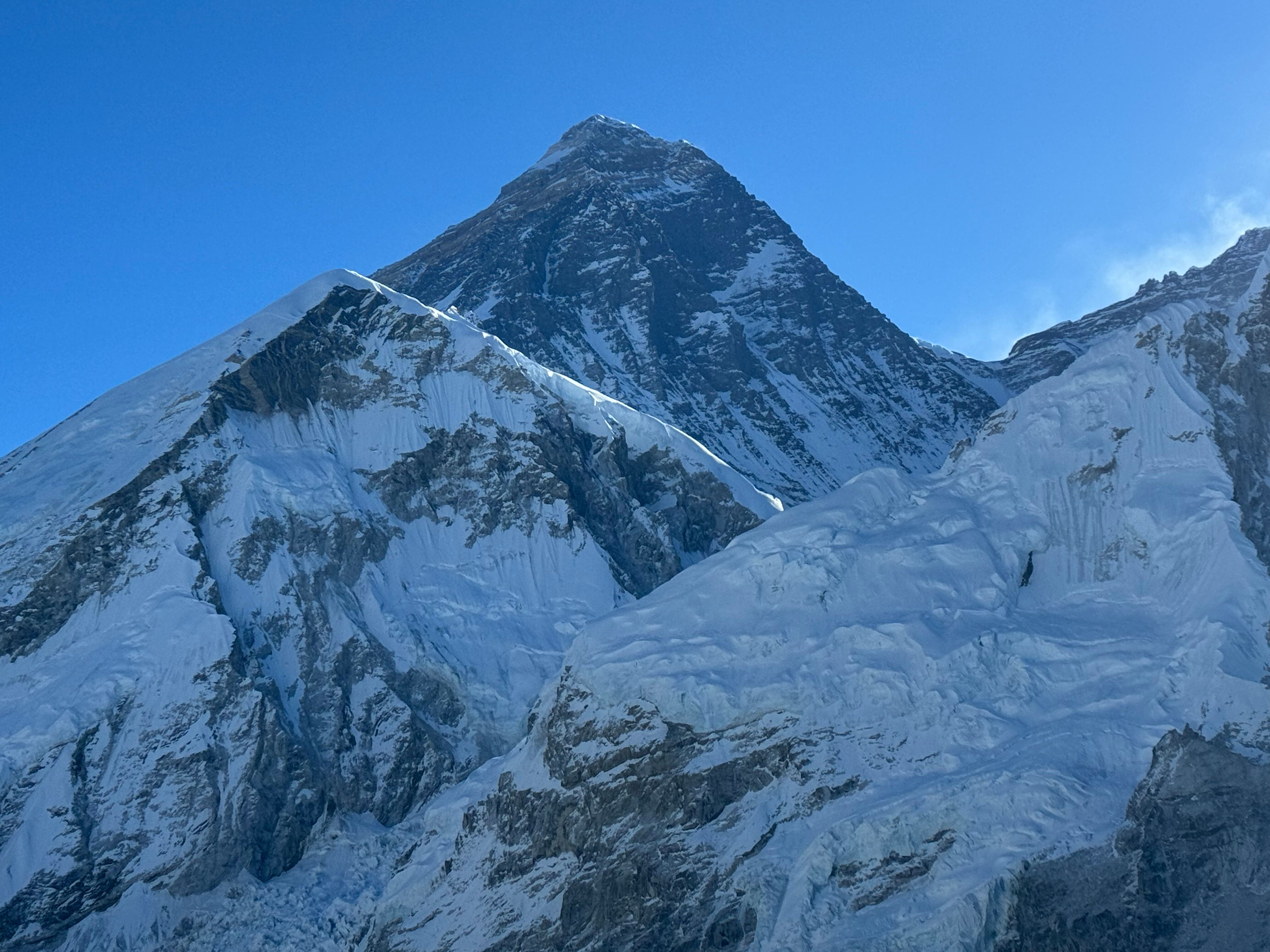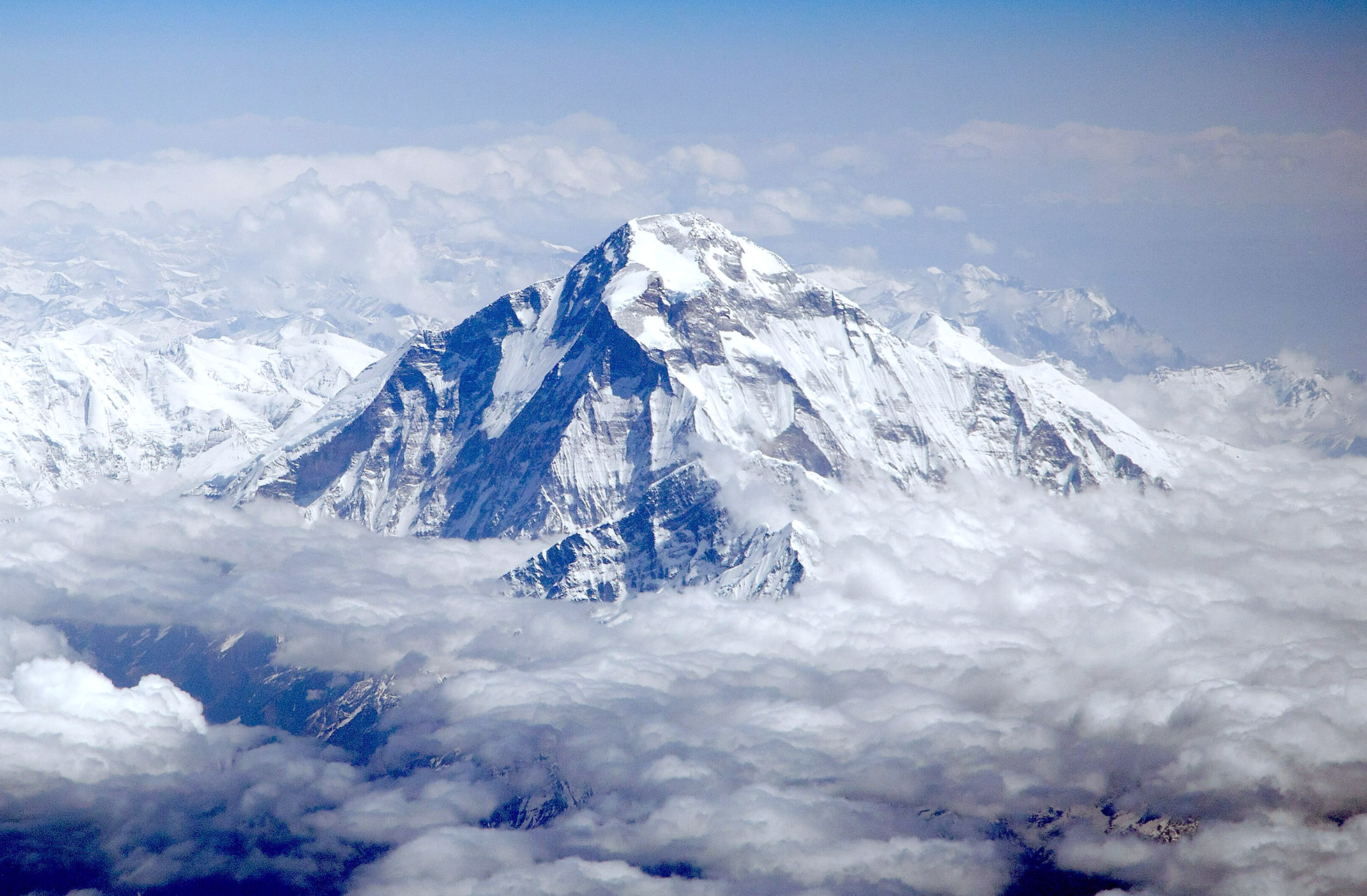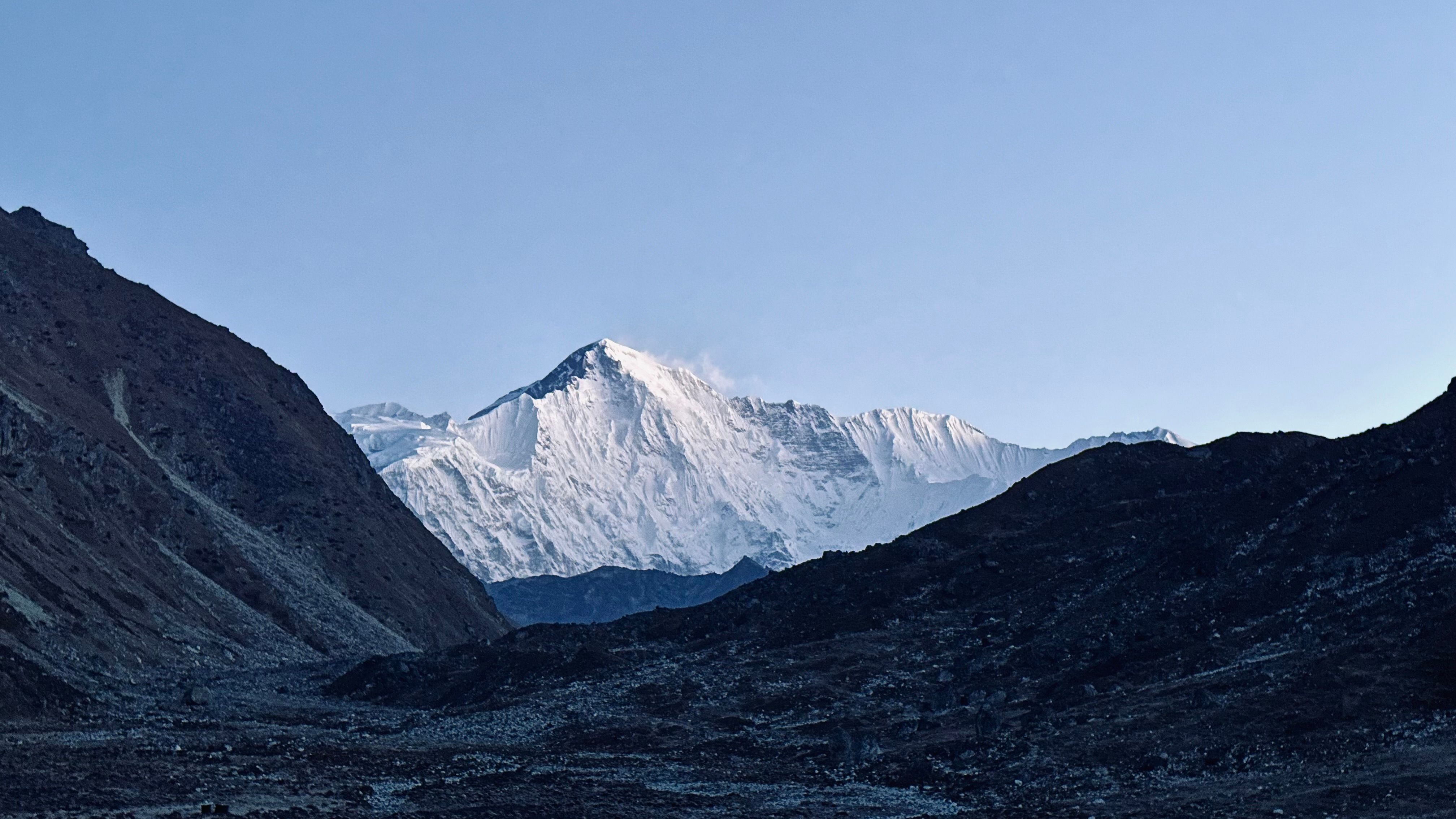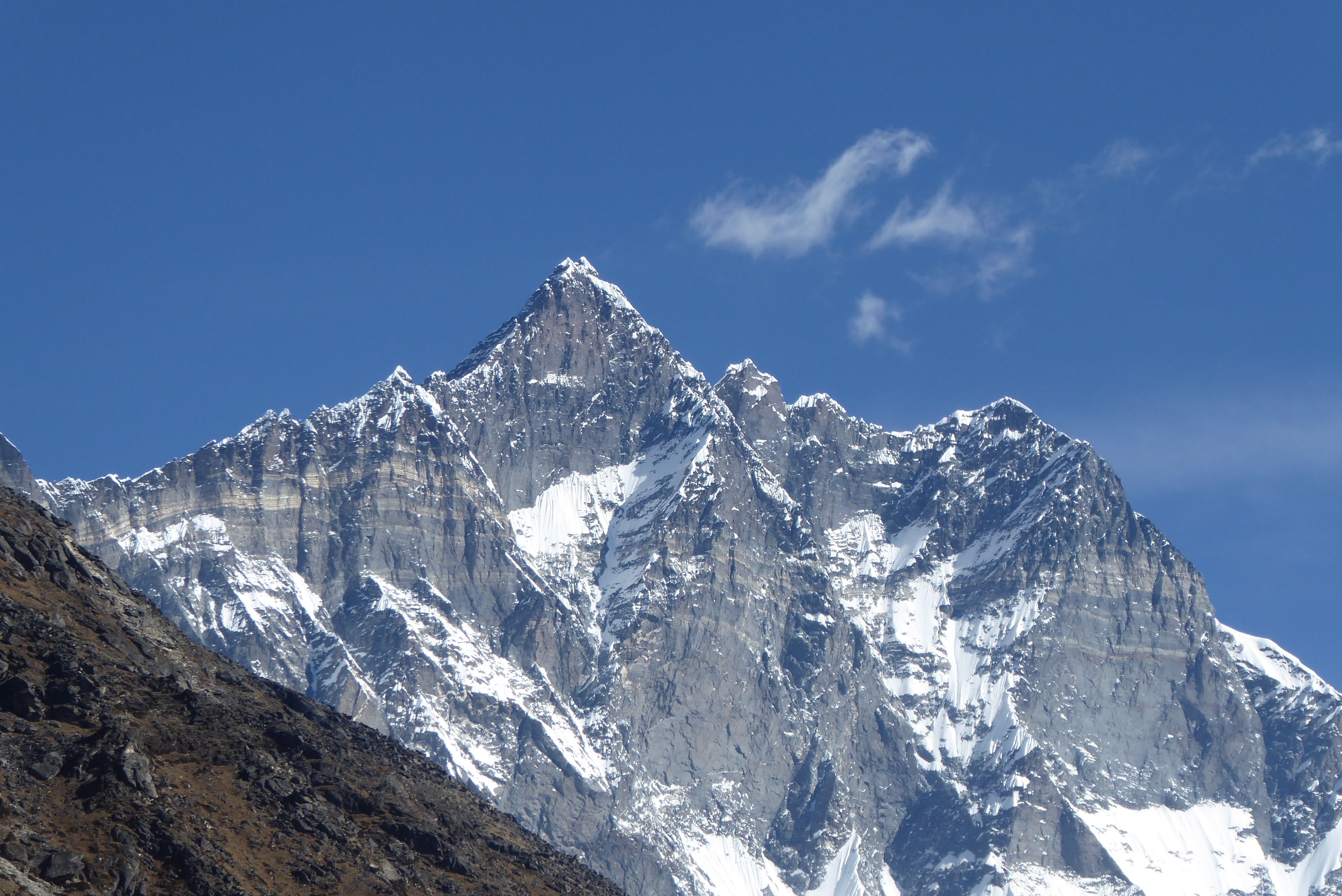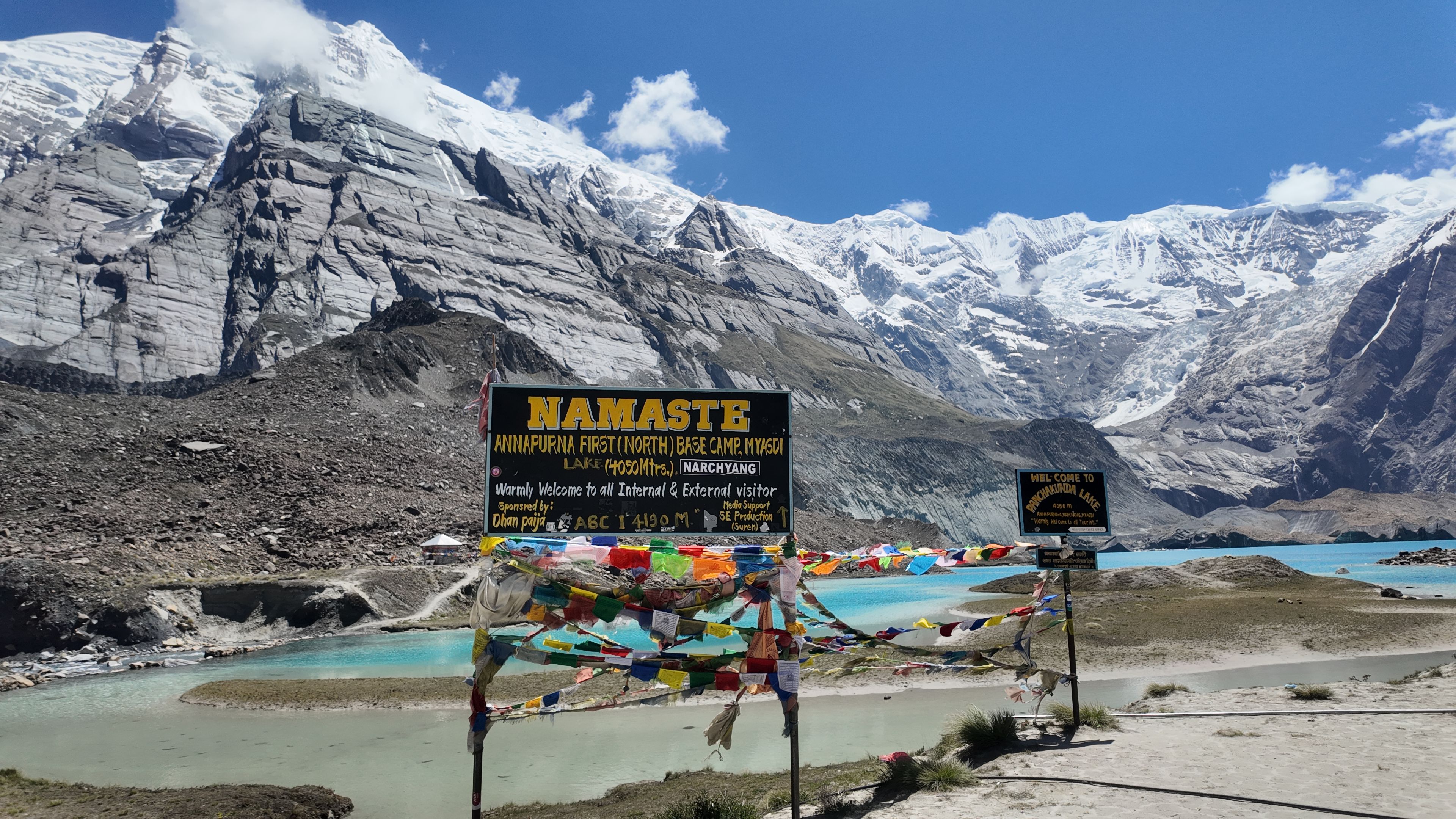
Annapurna Base Camp Trek, elevated at 4,130m in Nepal, is one of the most popular, short, classic, and rewarding treks up to date in the country. Also called the ANNAPURNA Sanctuary Trek. Ideal for travelers on a trip wanting to find a destination as a nature-based retreat center and adventure package, but who do not have much time to spend.
This trek gives enough opportunities to spend time in nature as it guides us to the peaceful habitat of preservation through the ANNAPURNA Conservation Area. Annapurna Base Camp (ABC) trek hiking in a beautifully changing environment. We begin in the lively Kathmandu city, then travel to Pokhara. Then we also pass through the beautiful villages, paddy and maize fields in the terraced fields, and finally reach the Base Camp of Annapurna. Further onwards, we also pass through Rhododendron and Bamboo woods. Then, this is the alpine environment. Ascending to a higher point, we can experience fewer plants. Its snow-masked giants from every direction can be seen within the glacial basins of Annapurna Sanctuary. Magic can be created as the first ray of sunlight comes on the glittering snow and creates lights. Such is the lifetime experience.
Trekking to Annapurna Base Camp (ABC) in November is the best time.
The most favorable seasons are spring (March-May) and autumn (August-January) for Annapurna Base Camp (ABC) trekking because that is when one gets the least amount of precipitation and the highest visibility of the mountains. Due to the heavy monsoon rains, landslides, and potential road closures, trekking is not really recommended during the monsoon season.
Winter is cold, with snow in higher elevations. Yet, if you are up for a more challenging adventure, the trek can be arranged any time of year.
Preparation and Training
Not as steep as Everest Base Camp or the Gokyo route, and if there's any sort of technical climbing, it's not that much, and there are no glacier crossings, nor a high mountain pass to deal with.
Moderate is the reality: ABC. However, be aware that "moderate" does not mean "easy”. Most tours are 7-12 days, and the walking is approximately 5-7 hours per day, and the ground is most definitely hard: endless stone steps around Ulleri and Chhomrong, river crossings, up and down the valley, and finally to the sanctuary. The highest point is 4,130m (lower than the Kala Patthar and Gokyo Ri from Everest). The risk of elevation remains, but is not as serious as the two previously stated. Training for up to a month or two prior to the start is considered. If you are getting any exercise on your outing, you can climb stairs, and of course, you can run, walk, and do some leg work and some squats. If you have a daypack, then pack it. Carry it on the trail with you. Your legs will need adjustment to the weight of the pack on the ground, not on asphalt. For people who have walked on previous occasions, this isn't going to be a daunting pace, but for people who haven't walked on previous occasions, it doesn't seem as daunting as Everest, and that should not be an excuse for people not to do the preparation.
Gear and Equipment
-
Choose sturdy hiking boots with ankle support for the many stone steps and uneven trails.
-
Pack base layers, fleece, and a waterproof and windproof shell, as temperatures can change quickly in the sanctuary.
-
Bring trekking poles to reduce pressure on your knees during steep downhill sections.
-
Wear clothes for the sun-exposed parts of the body (hat, gloves, and sunglasses)
-
Lighting, including a headlamp for early starts and basic tea house lighting.
-
Sleeping bag, sleeping liner, or full sleeping bag
-
Daypack to store water, snacks, camera, etc., for access.
-
Your first aid box and all that you bring on the basis will be missing.
-
The use of water purification tablets or a filter.
-
Sunscreen and lip balm are more effective at altitude than the sun.
-
Travel insurance emergency evacuation coverage is something to consider!
Support
Although ABC is lower than a majority of the treks in Nepal, it is still the primary concern with regard to altitude sickness. Your body starts to struggle for oxygen at 2,500m, and even a fit body cannot care how much. The mental challenge on this trail is actually the elevation changes and steep stone steps; it will take its toll as one goes on the hike, and getting it right requires pacing oneself and not overdoing it on any one day. The sanctuary can change from sunshine to sudden clouds and/or rain, and so it is helpful to have all the layers and some flexibility in time as you get closer and closer to Base Camp and ABC. Guides are attuned to any symptoms of headache, dizziness, and unusual tiredness. Are aware of when to take it easy. Luckily, there are teahouses all along the way, and help, food, and shelter will not be denied, and in Nepal, this is one of the better-supported trekking routes.