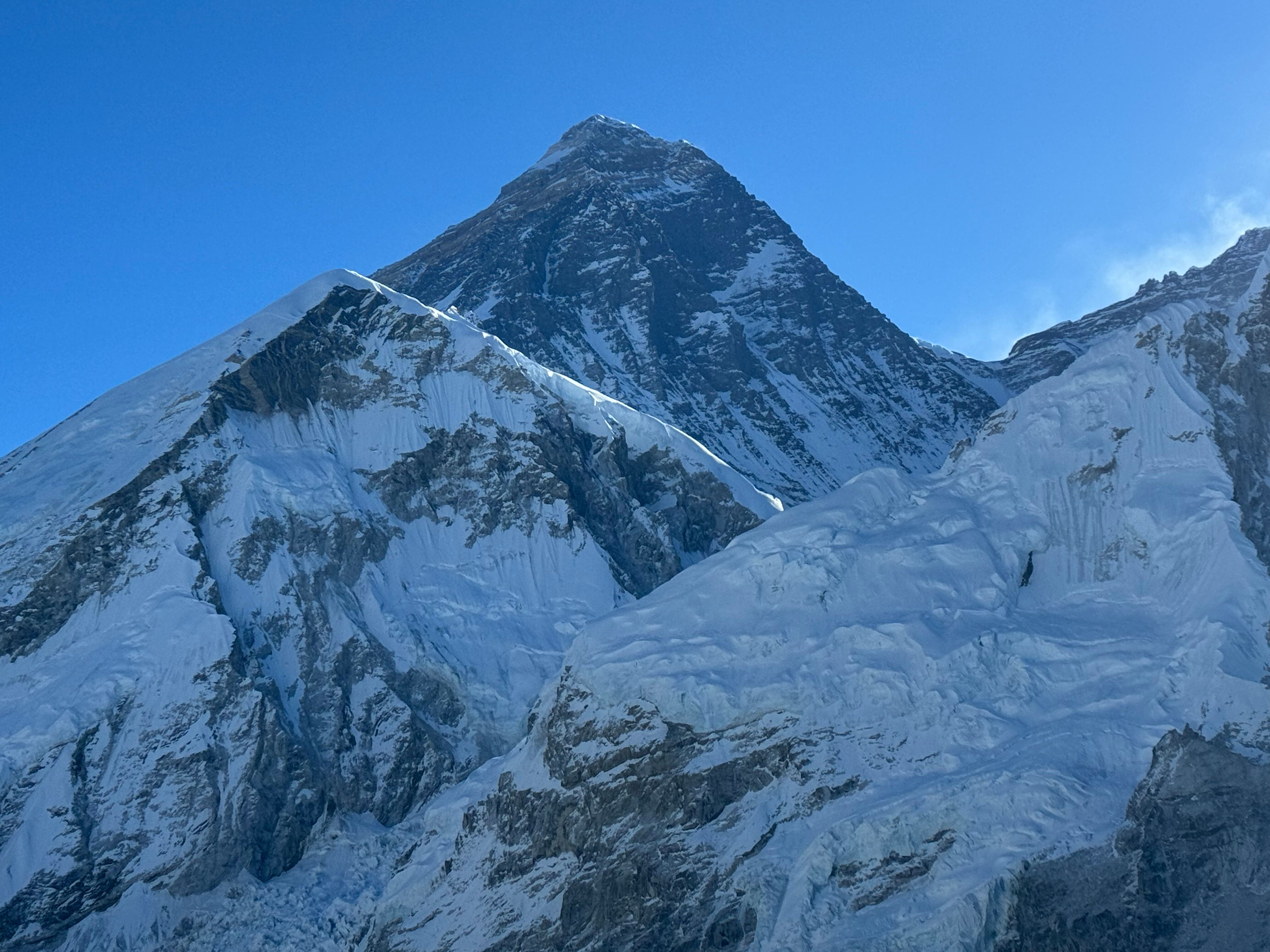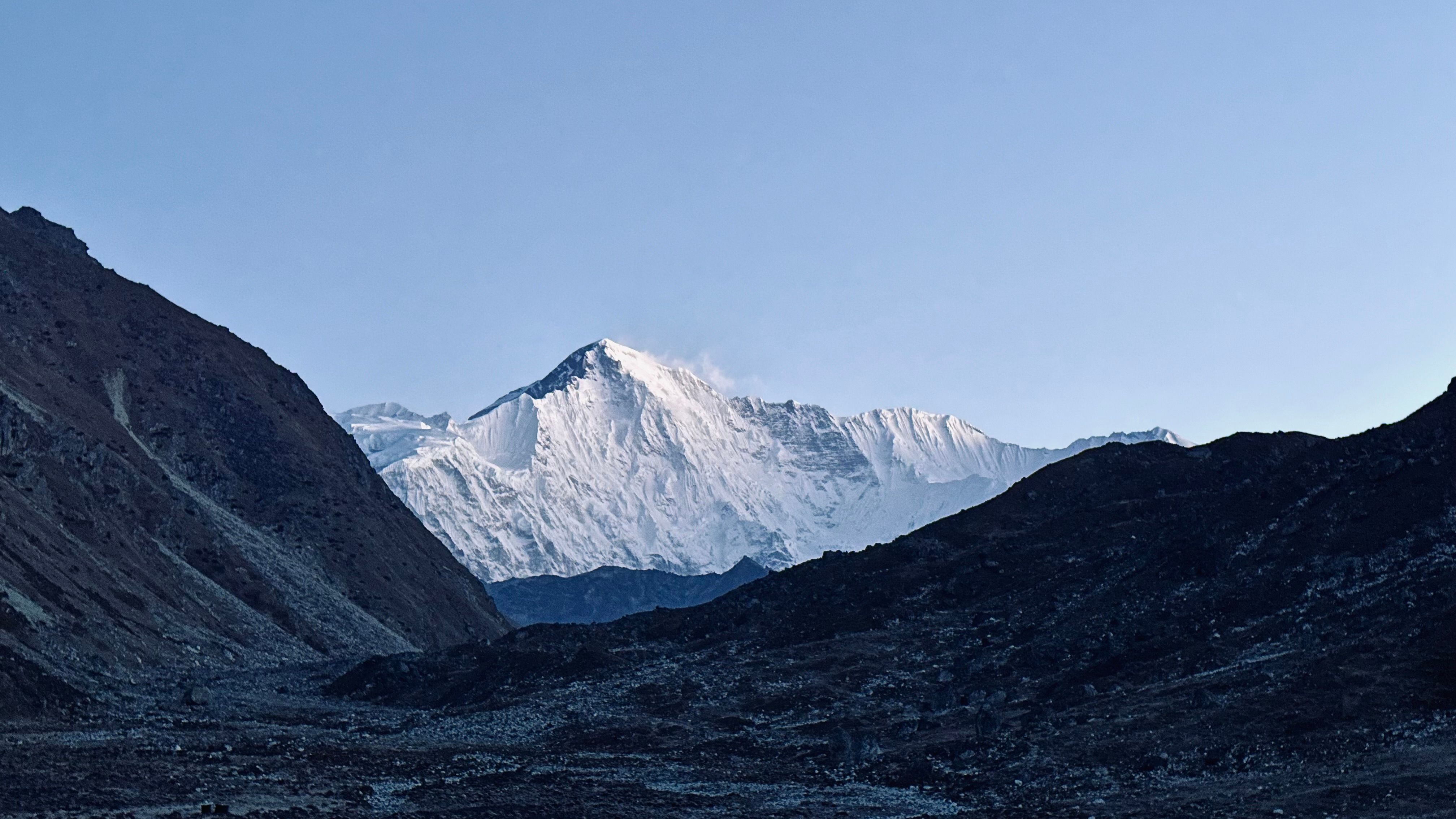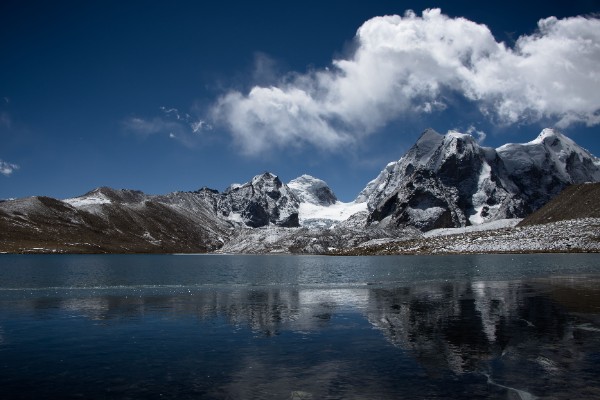
The 3rd tallest mountain in the World is Kangchenjunga (8,586m). One of the unexplored and virgin trekking routes in an East part of Nepal. It is a very enjoyable trek in Kanchenjunga with great snow-capped mountains, a wonderful landscape, as well as an exotic Himalayan scenic view. Different types of small and high snowy peaks (above 8000m and below 8000m), popular peaks like Mt. Everest (8848m), Mt. Makalu (8201m), and Mt. Lhotse (8516m), are available for enjoyment.
From the Nepal side and Sikkim side too, the Kanchenjunga Trekking route can be used, and there are many mysterious stories which are related to the Abominable Snowman, the Himalayan Yeti, which is said to be found in this region. The Kanchenjunga trek is a special and unforgettable destination for trekkers due to its landscape and fantastic topography of the land. We can see massive wildlife during the trekking, such as snow Leopard, Musk deer, Red Panda many more. Kanchenjunga Trekking trail has more exciting and challenging daredevil and popular organizing trip to situated in the Kanchenjunga Conservation Area which is spread over 2,035m sq. km from enriching in wildlife diversities also many threatened species of birds such as Impedance Pheasant, Red-Billed Blue Magpie, Shy Dragon, Amphibian and Mammals are found in this region and preserved including Snow-leopard, Himalayan Black Bear, Musk Deer, Red Panda, etc. While passing along this trekking trail will provide us to observe the remarkable valleys with an amazing culture and traditions of the local inhabitants, magnificent views of the frozen lake, crystal-clear stream, Okthan glacier, an amazing ascent of Rathong and Kabru glacial excursion around Ramche, etc., are the best points of view of the Kanchenjunga trekking trail.
Preparation and Training
Though at a similar elevation, Kanchenjunga Base Camp is not only considered one of the most difficult treks in Nepal, it is also much more remote because of the long hike. It is considered a graded trek of 4-5 and is indeed more challenging than Everest Base Camp due to its remoteness and duration. The route is 18-26 days, walking for 5-8hrs per day in both South Base Camp (4780m) and North Base Camp (Pangpema 5143m) via different valleys but with some tough walking between. A few days of over 4000m, steep ascents, glacial moraines, river crossings, and even sections which have been affected by landslides are on the trail, so a solid base of fitness is more important than on most other Nepal treks. It would be best to start training three to four months earlier with the emphasis on developing solid cardio endurance and leg strength: lots of loaded pack hikes, stair climbing, running, and, if applicable, multi-day training hikes in a back-to-back format, as there aren't many places to break free once you're on the trail. The important thing to remember is that this hike is far from quick aid if there is a problem, so a realistic and honest assessment of stamina and previous high-elevation experience is critical prior to enrollment.
Gear and Equipment
-
Well-worn and broken-in hiking boots, preferably used in advance on multi-day hikes.
-
Warm layers – Down jacket for the higher camps
-
Base layer, fleece, and a windproof/waterproof outer layer.
-
Steep hiking poles for up, down, and river crossings.
-
Wear a warm hat, gloves, and sunscreen for high altitudes
-
Headlamp to start early and basic teahouse lighting.
-
Sleeping bag for cold weather, below freezing.
-
Daypack to transport water, snacks, and layers.
-
Personal first-aid box and medication as prescribed by a doctor (such as Diamox if discussed with doctor)
-
Water purification tablets or filter
-
Other products for use: Sunscreen and lip balm
-
Travel insurance including trekking, high-altitude rescue, and helicopter evacuation.
Safety and Support
On this trek, both base camps are above 5000m and there is a considerable amount of extra sleeping altitude per day above 3000m, and a rest day is included every 3-4 days of ascent above 3000m, so an ascent schedule of no more than 300-500m above this base altitude is important and not optional and is a constant risk on this trek. Being one of the most remote and least developed trekking areas in Nepal, things become more primitive the higher up you go; food options become limited, and crucially, you may not be able to book a helicopter evacuation here as easily as on the Everest or Annapurna ranges, and it is certain that they will only be available if the weather is favourable. The walk is in a restricted area, meaning a guide (not just a safety measure) is a legal requirement, and guides are an integral part of the walk to help with navigation, pacing, and identification of early signs of altitude sickness before it becomes problematic. If a person has neurological symptoms, confusion, poor coordination, or blue-tinged lips, go down right now; waiting to see if they get better is not the right thing to do.
As this trek is quite remote, our experienced local guide team, who are well familiar with the Kanchenjunga area's remote trails, seasonal weather, and permit requirements, is committed to a slow and steady pace, keeping in mind the distance from the quick help of the outside world.