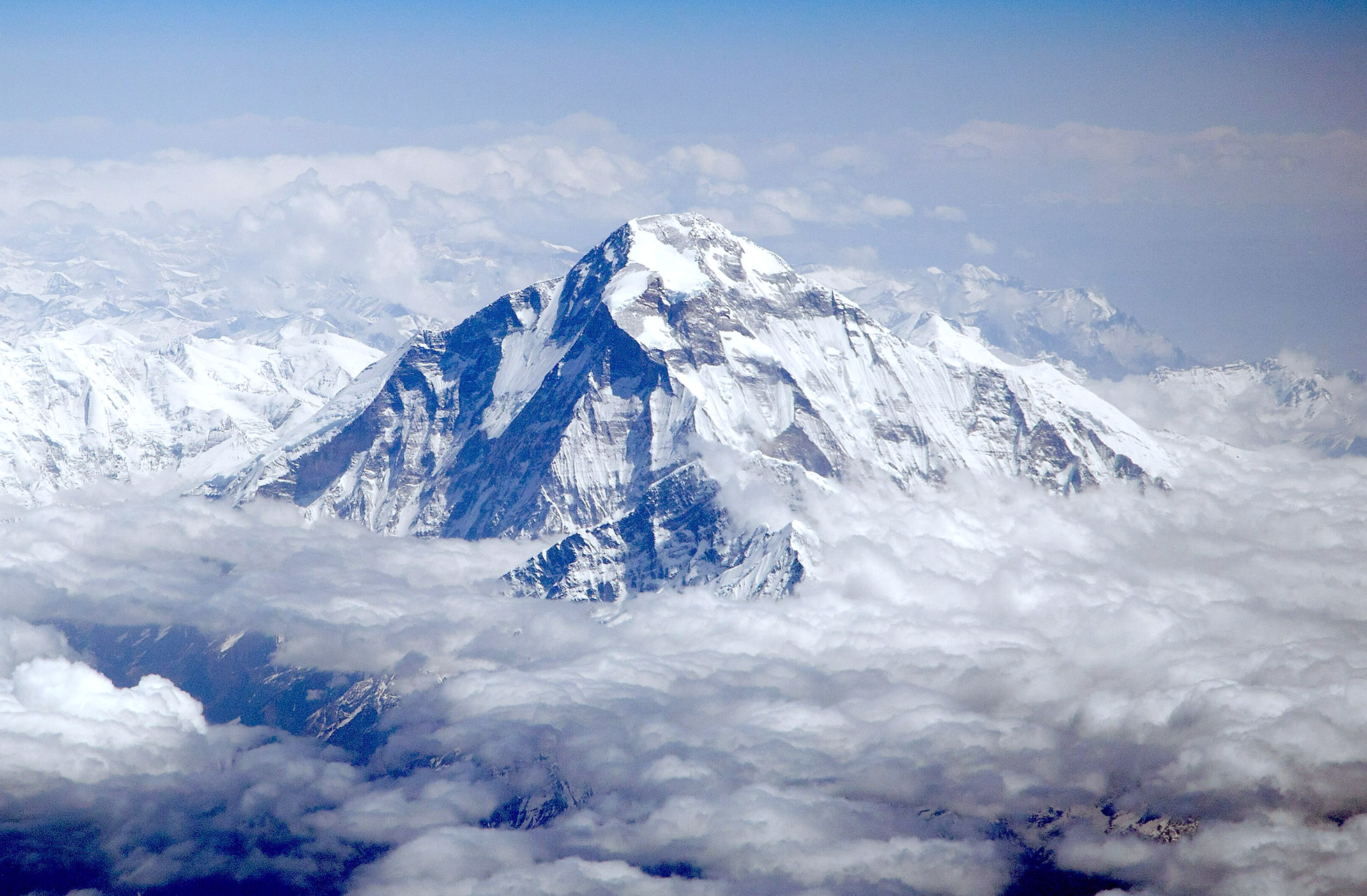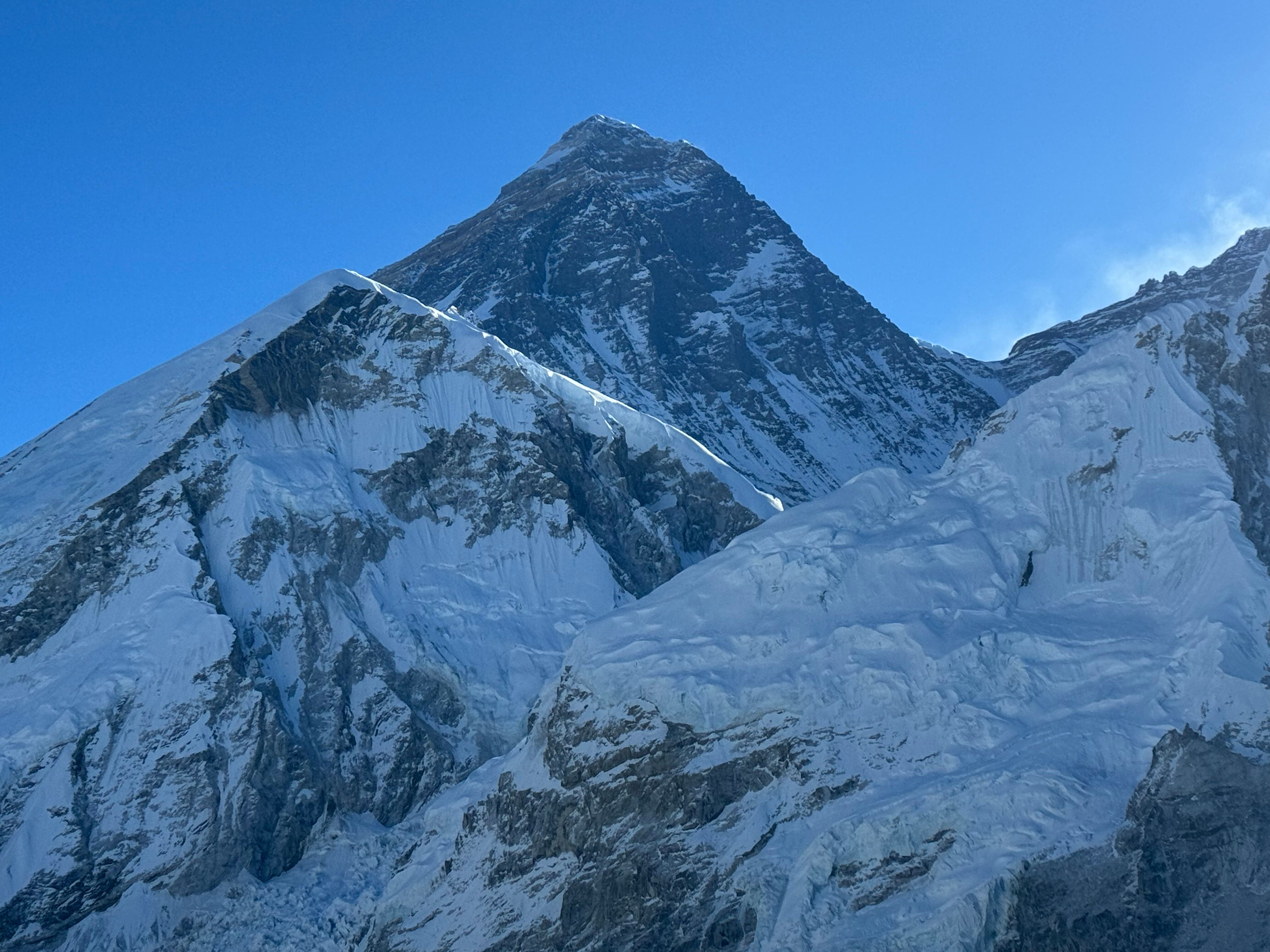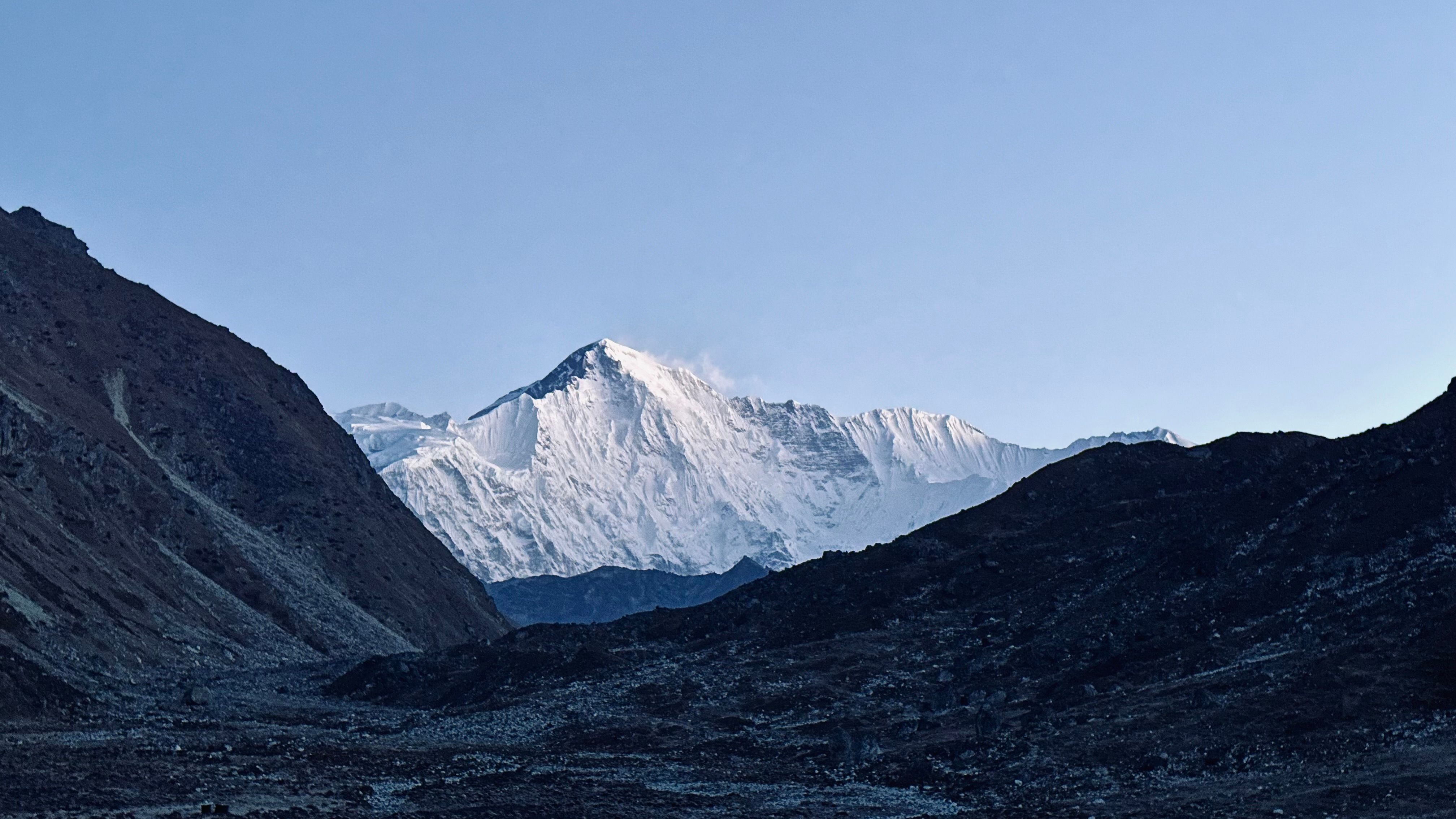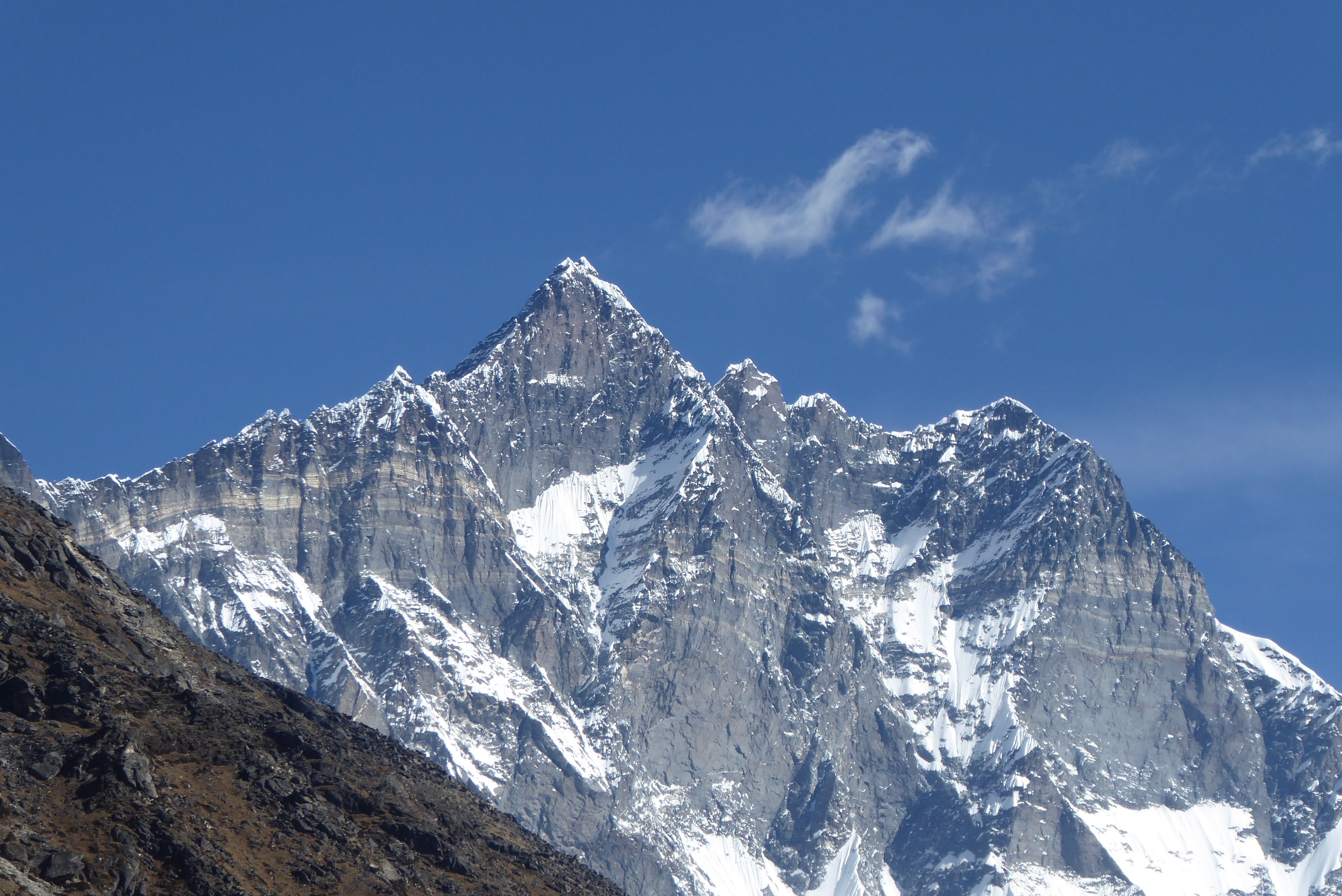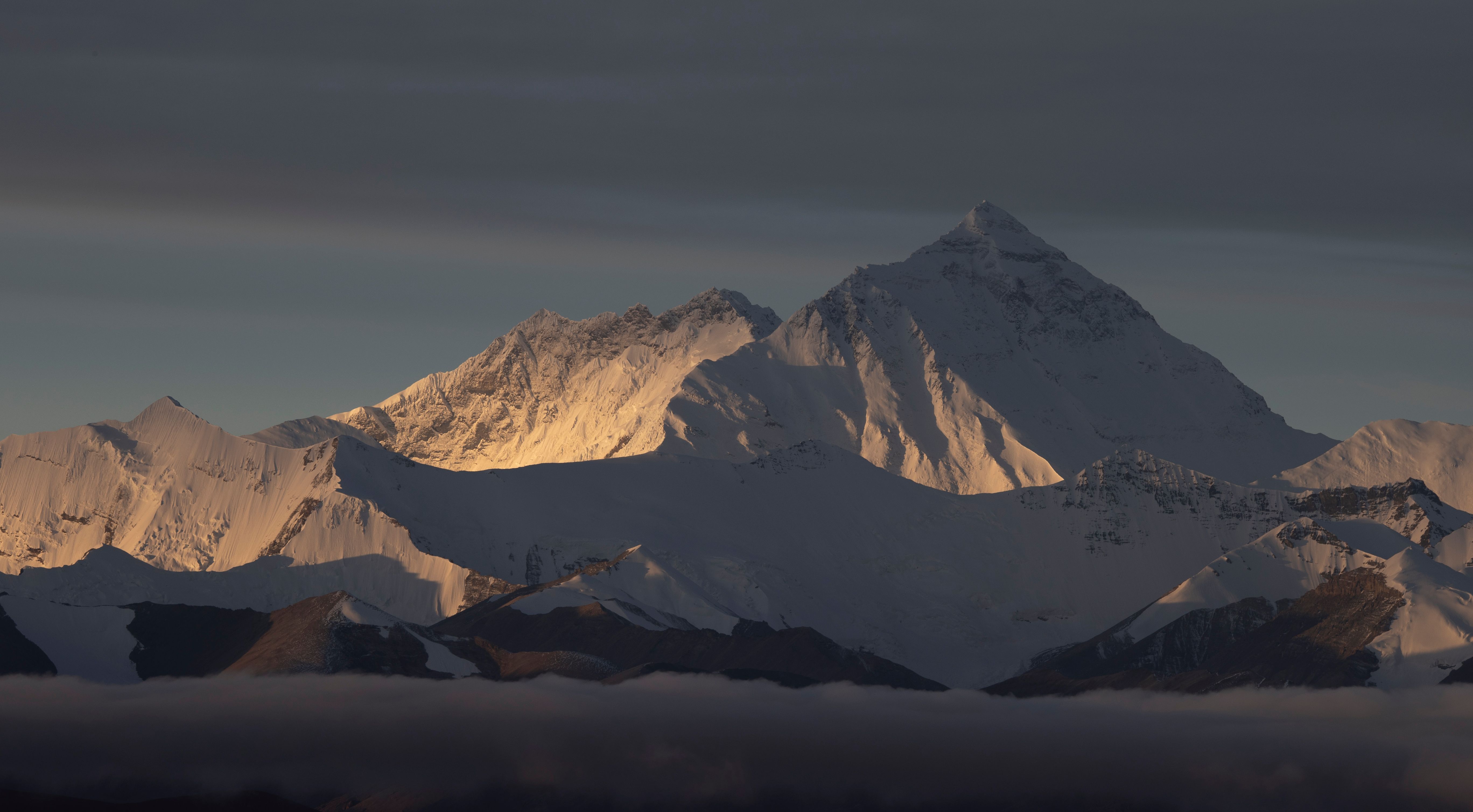
Mt. Nuptse 7,861 m Expedition 2027, which in the Tibetan is called “the West Peak” Expedition 2027 in the Tibetan language, is located in the Westernmost part of the Lobuche-Nuptse massif. Towering in the Khumbu region, Nuptse is only 2 km away towards the west-southwest from the legendary Mt. Everest and Mt. Lhotse. The appealing height and nearness to Everest and Lhotse make Mt. Nuptse a favorite among mountaineers who are partaking in the ‘Triple Crown'.
When viewed from the south or west side, Mt. Nuptse Expedition can be seen in a dramatic manner in 2027. Although it has an impressive height of 7861m, it is not ranked in the list of highest mountains because of its low prominence, which is only 319 m. But the seven prominent peaks atop the long east-west trending ridge are definitely worth a look.
The British Expedition team led by Joe Walmsley climbed up to Nuptse in 1961, which was the first time that it was climbed by the first Britishers, Dennis Davis and Tashi Sherpa. As it is at the moment, they took the north ridge route, the Scott Route.
The best time for a Mt. Nuptse Expedition is from November through to April.
March-May and September-December are the best time to go on an Expedition to Mt Nuptse; the winds are less turbulent, days are sunny, temperatures are mild, the trail is beautiful with lush green forests, raging rivers and streams, birds and animals are singing along the trail, and the panorama of the grand massifs is clear and unobstructed all the way along the trail.
Preparation and Training
Nuptse is not a trek; it requires real technical mountaineering skills, not fitness. The route continues as Everest up the Khumbu Icefall to Camp 2 but then heads across the Western Cwm to Nuptse's Camp 3, where the rock, snow, and ice are steep and exposed throughout most of the route. The climbers need to have a good background on technical alpine routes, with prior experience at altitudes above 7,000m and experience in working with 45-60° ice and mixed terrain – there is little scope here for novices to learn basic rope skills.
Training should begin at least six to eight months ahead, and include plenty of solid cardio and focused technical training: steep ice climbing, mixed rock and ice, going over the icefall on ladders, loading of fixed ropes. It's more important to be strong, balanced and mentally steady on exposed land than to be physically robust, as many of the sections have real consequences if lost.
Gear and Equipment
-
Technical mountaineering boots (double boots cramponed)
-
Crampons, two ice tools, harness, ascender and complete set of carabiners.
-
Helmet and headlamp, glacier glasses and sunscreen.
-
Heavy insulated layers or down suit for higher camps.
-
Sleeping bag that is rated for sub-zero temperatures
-
Base layers, fleece and a waterproof hardshell.
-
Daypack and trekking poles for approach
-
Personal First Aid kit and drugs as prescribed.
-
Conditions for the route above the icefall and through the icefall (prepared by the team) and fixed ropes
-
Camping and Base Camp equipment (tents, kitchen and dining facilities)
-
Oxygen supply, mask and regulator (usually supplied)
-
High-altitude rescue insurance
Safety and Support
The Khumbu Icefall is the first real challenge on Nuptse, a constantly changing labyrinth of deep crevasse fields and towering seracs, which the route fixing "Icefall Doctors" deal with using ropes and ladders, often in the early mornings when the ice is in its most stable state.
The above Camp 2 section is not all easygoing: loose snow over hollow sections, cornices which can collapse at any moment, and steep mixed ground also require a guide team with real technical depth, and why on day at the summit the climbers-to-Sherpa ratio is close to one to one.
Additional oxygen is routinely provided because these flights are very technically demanding when flying at altitude. Base Camp is shared with the teams to Everest and Lhotse and communication and rescue operations from other teams are facilitated with the busy infrastructure of the Khumbu, and when weather permits, helicopter evacuation can be made from Base Camp. The staged rotation to Everest's Camps 1 and 2 is repeated for acclimatization prior to the technical ascent to the summit of Nuptse.
This is led by our experienced Sherpa climbing team who have extensive experience in the technical areas of the Khumbu Icefall and the upper mountain area of Nuptse, and are able to offer one of the most demanding, rewarding objectives in the area for those who are prepared to do it.